

YOUR JOURNEY. YOUR CHOICE.

From hot flushes to sleep and mood changes, different symptoms need different approaches.
STAGES OF THE MENOPAUSAL TRANSITION
The hormonal changes that occur before, during and after menopause are known as the menopausal transition. Perimenopause can start up to 10 years before a woman’s final ovulation (egg release from the ovaries), which marks the start of menopause. After 12 months with no ovulations you are said to be post-menopausal; for some women this is marked by 12 months of no periods, but it’s not always clear for those on hormonal contraception or who’ve had a hysterectomy, ablation or other procedure that stopped their periods.
This diagram demonstrates how dramatically ovarian hormones change throughout the transition, and why various types of symptoms can occur at different stages.
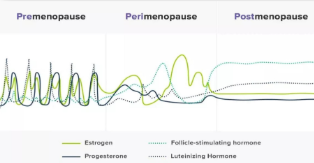
Flordis. (n.d.). [Image of The hormonal chaos of perimenopause] . Flordis. https://www.flordis.com.au
Learn more about Perimenopause
Perimenopause is the stage leading up to menopause, and it can cause noticeable changes in how your body feels and functions. During this time, your ovaries gradually have fewer eggs, which affects how your hormones are produced and released.
Normally, your menstrual cycle follows a predictable pattern, with hormones rising and falling in a regular way. In perimenopause, this pattern becomes less stable. The signals between your brain and ovaries can become inconsistent, leading to hormone levels that may rise, fall, start, and stop unpredictably.
Because of these hormonal fluctuations, you may experience a wide range of symptoms. These can include changes in your menstrual cycle, mood swings, sleep disturbances, hot flushes, fatigue, and other physical or emotional changes. Symptoms can vary from person to person and may not follow a clear pattern.
One important thing to understand is that hormone levels during perimenopause can change significantly from day to day. This means that blood tests are often not reliable for diagnosing perimenopause or tracking hormone levels during this time. Instead, diagnosis is usually based on recognising changes in your body, tracking symptoms, and identifying patterns that differ from your usual cycle.
Learn more about Menopause
Menopause is defined as the time when you have not had a period for 12 consecutive months. The average age of menopause is 51 years, although anywhere between 45 and 55 years is considered normal. If menopause occurs between 40 and 45 years, it is referred to as early menopause. When it occurs before the age of 40, it is called premature ovarian insufficiency (POI). POI requires comprehensive assessment and support, so please do not delay seeking medical help if you suspect you may have POI.
In cases of suspected early menopause or POI, blood tests such as follicle-stimulating hormone (FSH) may be used to help confirm the diagnosis. While hormone blood tests are generally not helpful in perimenopause, other blood tests can still be important. These may include checks for iron levels, vitamin D, cholesterol, liver, kidney and thyroid function, and full blood counts, to rule out other causes of symptoms.
To better understand and manage your symptoms, health professionals often use a menopause symptom scale. This is a simple tool that helps track how you are feeling over time. By reviewing this at each appointment, they can assess how your symptoms are changing and how well treatments or lifestyle strategies are working.
Read more here https://wellfemme.com.au/hormonal-changes-during-menopause/
Learn more about Post-menopause
12 months after your final ovulation you are classified as being postmenopausal, and you remain so for the rest of your life. Generally hormones are more stable, leading to a more stable impact on the brain and mood.
Notice from the diagram however that oestrogen and progesterone levels remain persistently low from here on, which has significant health impacts:
- Decreased bone density. Bone loss speeds up temporarily at menopause, with a loss of up to 20% of bone mass in 5 years;
- Increased heart disease and dementia risk. Plaques begin to form in the arteries and brain due to inflammation. This effect may be reduced in women on oestrogen therapy.
- Genito-urinary sydrome of Menopause (GSM). Low oestrogen causes progressive thinning, drying and fragility of the labia, vaginal and urinary tract tissues, often resulting in discomfort, itching, urinary issues or pain. Click here to learn more about GSM.
Resources, Factsheets and Guides
The Facts About Menopause – a practical guide to understanding menopause, including common symptoms, treatment options, and strategies to support your wellbeing.
Menopause 101: The Essential Beginner’s Guide – Our “Menopause 101” webinar is a quick, relaxed and fun introduction to all things perimenopause and menopause.
Mental Health & Mood Changes in menopause – an easy-to-understand factsheet covering mood changes, anxiety, low mood, irritability, and other mental health concerns commonly experienced during menopause.
Better Nights Ahead – Reclaiming Sleep in Midlife – this comprehensive factsheet outlines treatment approaches, trusted resources, and practical tips to help you achieve better sleep.
The Loving Bystander’s Guide to Perimenopause and Menopause is a free resource for partners and loved ones on how to support someone going through perimenopause or menopause, including the physical and emotional symptoms they may experience. It provides simple, practical guidance on how to educate yourself, communicate with empathy, and connect them with appropriate support and care.
A word about supplements and complementary therapies: Over-the-counter supplements are not subject to the same strict oversight as prescription medicines, so quality control can vary between products. They may also cause harm if taken incorrectly, especially when used in high doses, combined with other medications, or taken for the wrong reason. It is wise to only supplement the deficiency or symptom you are trying to treat, so you can assess whether it is actually helping and avoid accidentally doubling up on products with the same ingredients. As a rule, look for pure products with minimal additives. Always use supplements carefully and seek professional advice if you are unsure.
Are These Symptoms Affecting You? Click for Treatment Options
Along with the symptoms below, vaginal and urinary issues will commonly start or worsen around menopause. They are so incredibly common that they take up a whole resource page by themselves. CLICK HERE FOR OUR VAGINAL AND URINARY SYMPTOMS PAGE.
Disclaimer: This content is for informational purposes only and does not constitute medical advice or a clinical consultation. Always discuss your symptoms and treatment options with a qualified health professional for an individualised assessment and recommendations.
- Hot Flushes & Night Sweats
- Mood/Cognitive Disturbances
- Sleep & Fatigue
- Joint & Muscle Pain
- Low Bone Density
- Poor Libido
- Period Problems
What it feels like:
A sudden wave of heat, often across the face, neck, and chest, sometimes with flushing, sweating, palpitations, dizziness, anxiety, or a feeling of needing to cool down quickly. Episodes may last from seconds to several minutes and can occur day or night.
Waking during the night feeling hot, sweaty, and uncomfortable, often needing to change clothes or bedding. Episodes may be followed by chills and difficulty returning to sleep.
What it can be caused by:
Fluctuating and declining estrogen levels affect the brain’s temperature control centre, making it more sensitive to small changes. Hot flushes (vasomotor symptoms) are a common result of this process. As oestrogen declines, the brain becomes more reactive to temperature changes, triggering sudden cooling responses such as sweating and flushing. These symptoms can vary in frequency and intensity and may be influenced by stress, poor health, alcohol, and lifestyle factors.
Night sweats often occur alongside hot flushes and can be worsened by stress, alcohol, or sleep environment factors. They also fragment sleep and reduce restorative deep sleep.
Whilst sweats are a common feature of perimenopause and menopause, they can also be a sign of other medical conditions, including some serious ones. If sweats don’t improve with appropriate menopause treatments you should see a doctor for investigation of other possible causes.
Practical steps:
- Dress in layers that can be removed quickly
- Carry a portable fan or cooling spray
- Sip ice-cold water or suck ice chips during episodes
- Keep bedroom temperature cool with airflow or air conditioning
- Wear hair up to reduce neck heat
- Avoid triggers such as alcohol, spicy food, caffeine, and smoking
- Keep a symptom diary to identify patterns
- Practice paced breathing during episodes
- Use breathable bedding (cotton, bamboo, linen)
- Layer bedding for easy adjustment
- Wear lightweight sleepwear
- Keep spare clothing and towel nearby
- Take a lukewarm shower before bed
- Use relaxation techniques before sleep
Local / non-pharmacological treatments:
- Cognitive Behavioural Therapy (CBT)
- Clinical hypnosis
- Exercise Physiology support
- Weight management
- Stress reduction technique
Over-the-counter options:
Whilst there are some herbal options that are supported by evidence, most are not. Overall they are not the most effective treatment for flushes, and users should be aware that these products are unregulated: there is no guarantee of consistency, purity or effectiveness.
If your symptoms are mild and you would like to try something, check out the evidence in this factsheet from the Australasian Menopause Society.
Medical treatments:
For those who can’t, or prefer not to, take hormonal therapies there are a range of non-hormonal medications that can result in good reduction of hot flushes. For example, if you have had breast cancer you will usually be advised to avoid hormonal treatment, but you still may have dreadful symptoms that need managing.
The options include medications that were originally designed for other purposes, and therefore have additional effects which some people might find beneficial, eg. sedation, anti-depressant effects or reduction of urinary frequency. There is also a new class of drug specifically targeting flushes (NK3 inhibitors).
You can read about various options here, but you will need an appointment with a menopause-informed doctor for an assessment and prescribing.
Hormonal treatments:
Nothing else is as effective for management of menopause-related hot flushes and sweats (vasomotor symptoms) as hormonal therapy. It is over 95% effective for this purpose and is also indicated for the treatment of osteoporosis because of its benefits in preventing bone loss.
It is also known to have preventive benefits against cardiovascular disease for many women, but it is important to commence treatment at around the age of menopause, or within 10 years of menopause.
The safety concerns about Menopausal Hormone Therapy (MHT) have been reassessed in the last 20 years, and international menopause societies now agree that it is a safe and effective option for most women if commenced within 10 years of menopause.
You can read about various options here, but you will need an appointment with a menopause-informed doctor for an assessment and prescribing.
When to see a doctor
Persistent, severe, or disruptive hot flushes and night sweats should be medically assessed, particularly if they affect sleep, daily functioning, or occur alongside other concerning symptoms.
If you can’t find the professional help you need for your menopausal symptoms then book a Telehealth consultation today with an expert WellFemme menopause doctor.
Mood changes during perimenopause and menopause are a common and sometimes devastating issue. Beyond Blue reports that around 1/3 of Australian women in the menopausal transition report clinically meaningful mood problems (depression and/or anxiety). It is also the age group of women with the highest suicide rates.
What it feels like:
Increased emotional sensitivity, irritability, or feeling “on edge” without a clear trigger. Some women experience low mood, irrational rages, tearfulness, anxiety, or reduced stress tolerance. It may feel harder to cope with everyday challenges, with emotions feeling more intense or unpredictable than before. For some, there may be episodes of overwhelm, mental fatigue, or loss of confidence in emotional stability.
What it can be caused by:
Mood is strongly influenced by fluctuating and declining oestrogen levels, which affect key neurotransmitters in the brain including serotonin, dopamine, and GABA. These hormonal shifts can alter emotional regulation, stress tolerance, and resilience. Sleep disruption, hot flushes, fatigue, and physical symptoms can further intensify emotional vulnerability.
Life stage factors such as increased responsibilities, caregiving roles, and psychological stressors may also contribute. These changes are widely recognised as part of the neuroendocrine transition of menopause, as reflected in clinical menopause education resources such as wellfemme.com.au.
Practical steps:
- Prioritise consistent sleep and rest to stabilise mood regulation systems
- Regular physical activity (especially walking or resistance training) to support neurotransmitter balance
- Reduce caffeine and alcohol, which can worsen anxiety and sleep disruption
- Establish simple daily routines to reduce cognitive overload
- Practice grounding techniques such as paced breathing or mindfulness
- Maintain regular social connection and supportive conversations
- Track mood patterns alongside menstrual cycle and /hormonal changes if relevant
- Break tasks into smaller, manageable steps during low mood periods
Local / non-pharmacological treatments
There are a range of very effective psychological therapies that can be delivered in person by a health professional, or even though an App. Check this guide for ideas, including:
• Cognitive Behavioural Therapy (CBT) for mood regulation and thought patterns
• Mindfulness-based stress reduction (MBSR)
• Exercise physiology programs for structured movement support
• Counselling or psychotherapy for emotional processing and life-stage stressors
• Breathwork, yoga, and nervous system regulation practices
• Menopause education and support programs
Over-the-counter options:
- Magnesium: supports nervous system regulation and sleep quality
- Omega-3 fatty acids: may support mood stability and brain health
- Vitamin D: associated with mood regulation in deficiency states
- B-complex vitamins: support energy metabolism and nervous system function
- Herbal options (variable evidence):
– St John’s Wort (mild depressive symptoms; interactions possible)
– Saffron extract (emerging evidence for mood support)
Medical treatments:
You will need a thorough assessment by a doctor who is knowledgeable about midlife hormonal issues and mental health for a discussion of options and prescribing, such as a GP or Psychiatrist.
- Menopausal Hormone Therapy (MHT/HRT): may improve mood stability in perimenopause and early menopause
- Antidepressants: may support anxiety, irritability, sleep and depressive symptoms
- Short-term sleep support medications (if sleep disruption is driving mood changes)
- Thyroid assessment and treatment if clinically indicated
- Mental health review if symptoms are persistent or significantly impacting function
- Your GP can write a Mental Health Care Plan for reduced-cost psychology support
When to see a doctor
Ongoing mood or cognitive changes such as anxiety, low mood, irritability, brain fog, poor concentration, memory difficulties, or mental fatigue should be medically assessed, particularly if they are worsening or affecting daily functioning, relationships, sleep, or work performance.
If you can’t find the professional help you need for your menopausal symptoms then book a Telehealth consultation today with an expert WellFemme menopause doctor.
Sleep disturbance affects up to 60% of women during the menopausal transition, roughly double the rate seen before perimenopause. Around one in four experience symptoms severe enough to qualify as clinical insomnia, with significant impacts on mood, energy, work performance, and overall health.
What it feels like:
Difficulty falling asleep, frequent waking, early morning waking, waking at 2–3am with racing thoughts, or non-restorative sleep with persistent fatigue.
The most common sleep disorder of midlife women in Australia is Obstructive Sleep Apnoea (OSA)- 24% of women. Restless legs syndrome affects around 3-4% of women, and there are other sleep movement disorders too.
What it can be caused by:
Sleep disturbance is often multifactorial during perimenopause and menopause. Contributing factors specific to this life stage include:
- Hormonal changes — declining oestrogen and progesterone disrupt circadian rhythm regulation; rapid hormonal shifts (as in surgical menopause) are associated with more severe symptoms
- Vasomotor symptoms — hot flushes and night sweats strongly correlate with waking, though not every flush causes waking and not every waking is flush-related
- Sleep-disordered breathing — snoring and obstructive sleep apnoea (OSA) become more common post-menopause; women often present differently than men, with fatigue and insomnia rather than witnessed apnoeas
- Restless legs syndrome — increases around menopause
- Mood changes — anxiety and depression both cause and are worsened by poor sleep
- Life stressors — caring for ageing parents, relationship changes, career pressures
Practical steps:
- Maintain consistent sleep and wake times
- Create a cool, dark, quiet bedroom environment
- Avoid screens 1 hour before bed
- Use wind-down routines such as reading or breathing exercises
- Get morning light exposure
- Limit naps
- Reduce caffeine and alcohol
- Use cooling strategies if needed
Over-the-counter options:
- Melatonin
- Magnesium glycinate – Magnesium glycinate is a well-tolerated form of magnesium often used to support relaxation and sleep. Australian sleep health guidance does not position magnesium as a primary treatment for insomnia; however, magnesium plays a role in neuromuscular relaxation and may be used as an adjunct in some individuals. Evidence for direct improvement in sleep quality remains limited.
Medical treatments:
Medication is typically considered when behavioural and lifestyle strategies alone are insufficient, or when there is a clear underlying medical contributor such as significant insomnia, anxiety, pain, or vasomotor symptoms. All pharmacological options should be used under medical supervision, with careful consideration of risks, benefits, interactions, and suitability for long-term versus short-term use.
Specialist assessment:
Your GP should conduct screening and possibly refer you for a sleep study and/or specialist advice for:
- Suspected sleep apnoea (especially if snoring, witnessed pauses, or excessive daytime sleepiness)
- Restless legs syndrome not responding to simple measures
- Insomnia persisting despite CBT-I and treatment of vasomotor symptoms
- Complex presentations or multiple sleep disorders
Important note:
Persistent sleep disturbance should be medically assessed to rule out conditions such as sleep apnoea, thyroid dysfunction, anxiety disorders, or other underlying causes.
When to see a doctor
Persistent sleep disturbance should be medically assessed to rule out conditions such as sleep apnoea, thyroid dysfunction, anxiety disorders, or other underlying causes
If you can’t find the professional help you need for your menopausal symptoms then book a Telehealth consultation today with an expert WellFemme menopause doctor.
What it feels like:
Aching, stiffness, soreness, tenderness, or reduced mobility affecting joints and muscles. Many women describe feeling “older overnight,” particularly with morning stiffness, pain after inactivity, clicking joints, muscle tightness, or discomfort that seems to move around the body. Commonly affected areas include the knees, hips, shoulders, hands, lower back, neck, and feet.
Symptoms may interfere with sleep, exercise, work, daily activities, and overall quality of life.
What it can be caused by:
Joint and muscle pain are common but often under-recognised symptoms of perimenopause and menopause. Declining oestrogen levels can affect inflammation, collagen production, joint lubrication, muscle mass, and pain sensitivity. As hormone levels fluctuate, many women notice increasing stiffness, soreness, or aching in areas that previously caused no concern.
At the same time, other menopausal changes such as poor sleep, fatigue, stress, reduced physical activity, weight changes, and loss of muscle mass can place additional strain on joints and surrounding tissues. Hormonal joint pain may fluctuate alongside other menopausal symptoms such as hot flushes, brain fog, mood changes, and irregular periods.
Persistent or severe pain should not automatically be assumed to be hormonal. Other conditions including osteoarthritis, rheumatoid arthritis, autoimmune disease, thyroid disorders, vitamin D deficiency, injuries, or inflammatory conditions may also contribute and should be appropriately assessed.
Over-the-counter options:
- Paracetamol or anti-inflammatory medications (e.g. ibuprofen, naproxen) for short-term symptom relief
- Magnesium glycinate: may support muscle relaxation, sleep quality, and nervous system regulation
- Omega-3 fatty acids: may help support inflammation and joint health
- Vitamin D supplementation if levels are low
- Topical anti-inflammatory or heat creams/gels
- Creatine monohydrate: may support muscle strength and function in midlife women
Medical treatments:
- Menopausal Hormone Therapy (MHT/HRT): may improve joint pain and stiffness in some women by supporting oestrogen levels and reducing inflammation
- Assessment for underlying conditions such as arthritis, autoimmune disease, thyroid dysfunction, vitamin D deficiency, or inflammatory disorders
- Referral for imaging, blood tests, or specialist assessment if indicated
- Prescription pain relief or anti-inflammatory medications where appropriate
- Physiotherapy or Exercise Physiology support for mobility, strength, and rehabilitation
Lifestyle / non-pharmacological treatments:
- Strength and conditioning programs
- Physiotherapy
- Exercise Physiology
- Hydrotherapy
- Pilates or yoga programs focused on mobility and stability
- Sleep optimisation and stress reduction strategies
- Weight management support where appropriate
When to see a doctor
Persistent, worsening, swollen, or function-limiting joint or muscle pain should be medically assessed to exclude arthritis, autoimmune disease, injury, thyroid disorders, vitamin deficiencies, or other underlying conditions.
If you can’t find the professional help you need for your menopausal symptoms then book a Telehealth consultation today with an expert WellFemme menopause doctor.
While hot flushes and mood swings often dominate menopause discussions, bone loss represents one of its most serious, under-discussed consequences. Declining oestrogen accelerates bone resorption, raising osteoporosis and fracture risks with lifelong impacts on mobility and independence.
Bone loss: why does it happen?
Bones are living tissue, constantly breaking down and rebuilding in a process known as bone remodelling. Oestrogen plays a critical role in maintaining this balance by slowing bone breakdown and supporting bone formation.
Around menopause, oestrogen levels fall sharply. As a result, bone breakdown begins to outpace bone formation, leading to a gradual but significant loss of bone density. This hormonal shift is the primary reason women are at much higher risk of osteoporosis than men.
Bone loss doesn’t start after menopause, it begins earlier than many women realise.
Research shows that the most rapid phase of bone loss occurs:
1–2 years before the final menstrual period
And continues for 2–5 years after menopause
During this time, women can lose bone density at an accelerated rate, particularly in the spine and hips, areas most vulnerable to fracture.
How much bone is lost?
The numbers are confronting:
Women can lose up to 10% of their bone density in the first five years after menopause
Over the first decade post-menopause, total bone loss may reach 20–25%
By age 60, around half of women will have osteopenia (low bone density) or osteoporosis
What it feels like:
Bone loss occurs silently, so many women are unaware until a fracture happens.
Osteoporosis is a condition where bones become weak and brittle, making them more likely to break often from a minor fall or even everyday movements.
There are usually no symptoms
Bone loss happens gradually
The first sign may be a fracture of the wrist, spine or hip
Hip fractures, in particular, can have devastating consequences, including long hospital stays, reduced mobility, and long-term loss of independence. Research shows 1 in 5 people with a hip fracture will die within 1 year.
Who is at higher risk?
While all women experience bone loss after menopause, certain factors increase risk:
Early menopause (before age 40)
Family history of osteoporosis
Low body weight
History of eating disorders
Women with a history of prolonged amenorrhea
Sedentary lifestyle
Smoking or excessive alcohol intake
Low calcium or vitamin D levels
Long-term use of certain medications (such as corticosteroids)
Women who had lower peak bone mass earlier in life are also more vulnerable, highlighting how bone health is influenced across the entire lifespan.
How is bone health assessed?
The most reliable way to assess bone health is with a DEXA (bone density) scan. This low-radiation test measures bone mineral density and helps diagnose:
Normal bone density
Osteopenia
Osteoporosis
Bone density testing allows early intervention, ideally before fractures occur.
Proactive strategies:
Prevent falls: Home modifications (removing tripping hazards, using non-slip mats, installing grab bars) and balance training can help reduce fracture risk. https://www.activeandhealthy.nsw.gov.au/preventing-falls/preventing-falls-for-older-adults
Eyesight: Poor vision can increase the risk of falls, so ensure you keep up to date with regular eye checks.
Physical activity is essential to keeping bones strong. The best type? Weight-bearing exercise any movement where you’re on your feet, using gravity and muscle force to load your bones. This includes:
Brisk walking, dancing, jogging.
Resistance training (80-85% max, 4-6 reps).
Exercise not only strengthens bones but also improves balance and coordination, which reduces the risk of falls, the cause of 90% of hip fractures in older adults. Lifting heavy weights (80–85% of your one-rep maximum) for just 4–6 reps can significantly stimulate bone growth. This is because bones adapt to stress by becoming denser and stronger. In short, bone is a “use it or lose it” tissue.
Bone health exercise programs:
ONERO® is an evidence-based exercise programme designed specifically to prevent osteoporotic fracture by stimulating bone development and preventing falls in at-risk individuals.
OSTEO‑GAINS is an app based bone‑health exercise programme designed to help women take control of their bone strength early, before menopause. Research in pre‑menopausal women aged 31–50 showed that this programme can support the building of strong, healthy bones, highlighting its value as a preventative approach to osteoporosis risk
Nutrition supports bone health during and after menopause by providing calcium, vitamin D, protein, and other nutrients that help maintain bone density, reduce bone loss, and lower fracture risk.
Calcium: Essential for bone strength. Found in dairy products, leafy greens, almonds and fortified foods. Try to get your sources from nutritional foods and sunlight, but if your levels are inadequate (and your doctor has tested your levels), add supplements.
Vitamin D: Supports calcium absorption. Sourced from safe sun exposure and supplements if needed.
Magnesium, potassium and vitamin K: Important for bone structure, strength and turnover.
Protein: Supports bone formation and maintenance.
Stop smoking completely and keep alcohol to no more than 1-2 drinks per day. Both habits speed up bone loss by disrupting estrogen and calcium use in the body.
Keep your weight in a healthy range – aim for a BMI between 20 and 25, which means not being underweight or overweight. This helps because too little body fat (low BMI) often means weaker bones with less density, raising fracture risk, while excess weight can strain them over time.
Pharmacological treatments/Health Professional interventions for bone health:
Bone Mineral Density Testing (Dual Energy X-ray Absorptiometry (DXA/DEXA scans)
Bone density testing allows early intervention, ideally before fractures occur. Certain pre-existing conditions will allow you to receive a medicare rebateable scan. A private scan will cost around $100. For further information and eligibility criteria please see this bone density testing brochure and discuss options with your GP.
Menopausal hormone therapy (MHT) has been shown to help maintain or even increase bone density, reducing the risk of fractures. It also provides significant relief for hot flushes and many other menopausal symptoms.
If a woman has osteopenia and has suffered a fracture, or has additional risk factors for bone loss, medications may be recommended. Your doctor will be able to discuss these in more detail if this is indicated. As an overview, these include;
Menopausal hormone therapy (MHT) has been shown to help maintain or even increase bone density, reducing the risk of fractures. It also provides significant relief for hot flushes and many other menopausal symptoms.
Bisphosphonates (oral or intravenous)
Other medications such as denosumab, raloxifene, and teriparatide.
Declining bone health is one of the most serious, yet least discussed, side effects of menopause. The hormonal changes of this life stage significantly increase a woman’s risk of osteoporosis and fractures, often without warning.
With awareness, screening, lifestyle changes and appropriate medical care, women can take meaningful steps to protect their bones, mobility and independence well into later life. Talk to your pharmacist or GP about how you can take steps to support your bone health.
Low libido in perimenopause and menopause is influenced by fluctuating and declining estrogen and testosterone levels, which affect sexual desire, arousal, and sensitivity. These hormonal changes also impact vaginal tissue health, blood flow, and lubrication, which can make intimacy feel less comfortable or less rewarding.
Beyond hormones, libido is closely linked to sleep quality, stress load, fatigue, mood changes, relationships (or the lack of) and the overall nervous system state. Many women also experience a shift in identity, body confidence, and emotional connection during midlife, which can further influence desire.
What it feels like:
A reduction or absence of sexual desire, less spontaneous interest in intimacy, or feeling emotionally or physically “disconnected” from sexual response. Some women notice reduced arousal, less sensitivity during intimacy, or needing more time and stimulation than previously. It may also feel like sex becomes something avoided rather than desired, particularly if there is vaginal dryness, discomfort, fatigue, or mental overload.
Practical steps:
- Prioritise sleep and rest to support energy and hormonal balance
- Use regular vaginal moisturisers to support tissue comfort
- Use lubricants during intimacy to reduce discomfort
- Reduce stress load where possible, including mental and emotional fatigue
- Rebuild intimacy without pressure or expectation of performance
- Incorporate pelvic floor relaxation and gentle movement
- Support circulation through regular exercise and walking
- Discuss with a trusted friend or health professional
Over-the-counter options:
- Vaginal moisturisers are designed for ongoing dryness, not just sex-related lubrication. Used regularly, often a few times per week, they help hydrate the vaginal tissues, provide a protective barrier, improve elasticity and help reduce discomfort. It is important to read the label carefully and choose products that are pH balanced, fragrance free and ideally contain hyaluronic acid. Water based options are generally more soothing and safer for internal use. They can also be used with condoms and toys. Oil and silicone based moisturisers may last longer but may be more irritating and are unsafe with condoms
- Vaginal lubricants are used before or during intercourse to help reduce friction and/or pain. Water-based lubricants are generally recommended as they are low irritant ess irritating and can be used safely with condoms and toys. They can soak quickly into dry tissues during sex however, whereas oil and silicone lubricants stay slick and “glidier” for longer are also available. Silicone lubes should be avoided with silicone-coated toys, and oil-based lubricants should be avoided with condoms. Once again, choose products that are fragrance and flavour free, pH balanced and avoid the same ingredients as moisturisers
- Barrier creams. For those times when your vulval area might be exposed to chemicals or soaps (like swimming or baths), or friction from bike/ horse riding or chafing clothes, a barrier layer will help to coat and protect the delicate tissues. Ask your pharmacist about bland baby-safe zinc or barrier creams (external use only), or even an oil-based lubricant (we love Olive and Bee for this job, as well as intimate lubrication
- Omega-3 fatty acids: may support mood and hormonal balance
- Magnesium: supports sleep, stress regulation, and nervous system balance
- There are also a range of comfort, support and arousal devices to help with pleasure (and avoid pain); your pelvic floor physio can help with recommendations.
Medical treatments:
You will need a thorough assessment by a doctor who is knowledgeable about intimacy issues and hormones for a discussion of options and prescribing. Seek out a trusted health professional who you feel comfortable with and trust… these things shouldn’t be rushed.
- Menopausal Hormone Therapy (MHT/HRT): may improve libido indirectly via sleep, mood, and vaginal symptom improvement
- Vaginal oestrogen therapy: improves tissue health, comfort, and sexual function
- Testosterone therapy (selected postmenopausal cases): may improve sexual desire
- Medication review (e.g. antidepressants): SSRIs: some medications, such as antidepressants may reduce libido in some cases and orgasms
Local / non-pharmacological treatments:
- Sex therapy or relationship counselling
- Pelvic floor physiotherapy
- Cognitive Behavioural Therapy (CBT) for desire, stress, and body image
- Mindfulness-based stress reduction approaches
- Menopause education and coaching support
- Manage treatment & sexual pain
When to see a doctor
Persistent low libido or reduced sexual desire should be medically assessed, particularly if it is distressing, affecting relationships or quality of life, or to exclude underlying causes such as hormonal changes, mood disorders, medication effects, thyroid dysfunction, or chronic medical conditions.
If you can’t find the professional help you need for your menopausal symptoms then book a Telehealth consultation today with an expert WellFemme menopause doctor.
What it feels like:
Changes in menstrual patterns can present in different ways, including missed periods, very frequent cycles, irregular timing, heavier or lighter bleeding than usual, prolonged bleeding, or significant menstrual pain. Some women experience fatigue, dizziness, or breathlessness related to heavy blood loss, while others may notice disruptive cramping, pelvic pain, or pain that interferes with daily activities. Emotional symptoms such as frustration or anxiety around unpredictable bleeding are also common.
What it can be caused by:
Irregularity is common during early adolescence and the perimenopausal transition due to fluctuating and declining ovarian hormone production. Outside these life stages, changes in menstrual frequency, flow, or pain may reflect hormonal imbalance, structural conditions (such as fibroids or adenomyosis), ovulatory dysfunction, thyroid disorders, polycystic ovarian syndrome (PCOS), endometriosis, stress, nutritional factors, or (less commonly) more serious underlying conditions. Family history of menstrual disorders, early menopause, infertility, or endometriosis may increase individual risk.
Practical steps:
- Track cycle length, bleeding days, and symptoms using a diary or app
- Record severity of pain using a 1–10 scale
- Track bleeding volume (e.g. number of pads/tampons used per day)
- Note associated symptoms such as fatigue, clots, or intermenstrual bleeding
- Seek medical review if cycles fall consistently outside 21–35 days outside perimenopause/adolescence
- Pay attention to family history of menstrual or gynaecological conditions
- Seek early assessment for heavy bleeding, severe pain, or significant cycle change
- Consider iron levels if experiencing fatigue, heavy bleeding, or breathlessness
Over-the-counter options:
- Non-steroidal anti-inflammatory drugs (NSAIDs) such as ibuprofen or naproxen (when used at period onset, can reduce pain and bleeding)
- Heat therapy (heat packs) for cramp relief
- Magnesium: may support muscle relaxation and reduce cramping in some individuals
- Iron supplementation if iron deficiency is present or suspected
Medical treatments:
- Combined oral contraceptive pill: regulates cycles, reduces bleeding, and may reduce pain
- Progestin therapies: regulate endometrial growth and bleeding patterns
- Tranexamic acid (where appropriate and prescribed in some settings) for heavy menstrual bleeding
- Levonorgestrel intrauterine device (Mirena): highly effective for reducing heavy bleeding
- Hormonal contraceptive implants or injections (may alter bleeding patterns variably)
- Menopausal Hormone Therapy (in perimenopause, where appropriate)
- Treatment of underlying conditions such as PCOS, thyroid disorders, fibroids, or endometriosis
- Specialist gynaecological procedures (e.g. fibroid management, endometrial ablation)
- Surgery (e.g. hysterectomy) in severe or treatment-resistant cases
Local / non-pharmacological treatments:
- Gynaecology or GP assessment for diagnosis and management planning
- Pelvic ultrasound or further investigation where indicated
- Pelvic physiotherapy for chronic pelvic pain
- Dietary and lifestyle support (iron intake, nutrition, stress management)
- Cognitive Behavioural Therapy (CBT) for chronic pain coping strategies
- Endometriosis education and support services
- Fertility and hormonal counselling where relevant
When to see a doctor
Abnormal menstrual changes such as very heavy, prolonged, frequent, infrequent, irregular, or painful periods should be medically assessed, particularly if they are new, worsening, or to exclude underlying causes such as hormonal imbalance, fibroids, endometriosis, thyroid disorders, PCOS, or other gynaecological conditions.
If you can’t find the professional help you need for your menopausal symptoms then book a Telehealth consultation today with an expert WellFemme menopause doctor.
If you are curious about hormonal treatments, check out our detailed information and resources HERE, and here for more signs & symptoms of menopause.
- Hot Flushes & Night Sweats
- Mood/Cognitive Disturbances
- Sleep & Fatigue
- Joint & Muscle Pain
- Low Bone Density
- Poor Libido
- Period Problems
What it feels like:
A sudden wave of heat, often across the face, neck, and chest, sometimes with flushing, sweating, palpitations, dizziness, anxiety, or a feeling of needing to cool down quickly. Episodes may last from seconds to several minutes and can occur day or night.
Waking during the night feeling hot, sweaty, and uncomfortable, often needing to change clothes or bedding. Episodes may be followed by chills and difficulty returning to sleep.
What it can be caused by:
Fluctuating and declining estrogen levels affect the brain’s temperature control centre, making it more sensitive to small changes. Hot flushes (vasomotor symptoms) are a common result of this process. As oestrogen declines, the brain becomes more reactive to temperature changes, triggering sudden cooling responses such as sweating and flushing. These symptoms can vary in frequency and intensity and may be influenced by stress, poor health, alcohol, and lifestyle factors.
Night sweats often occur alongside hot flushes and can be worsened by stress, alcohol, or sleep environment factors. They also fragment sleep and reduce restorative deep sleep.
Whilst sweats are a common feature of perimenopause and menopause, they can also be a sign of other medical conditions, including some serious ones. If sweats don’t improve with appropriate menopause treatments you should see a doctor for investigation of other possible causes.
Practical steps:
- Dress in layers that can be removed quickly
- Carry a portable fan or cooling spray
- Sip ice-cold water or suck ice chips during episodes
- Keep bedroom temperature cool with airflow or air conditioning
- Wear hair up to reduce neck heat
- Avoid triggers such as alcohol, spicy food, caffeine, and smoking
- Keep a symptom diary to identify patterns
- Practice paced breathing during episodes
- Use breathable bedding (cotton, bamboo, linen)
- Layer bedding for easy adjustment
- Wear lightweight sleepwear
- Keep spare clothing and towel nearby
- Take a lukewarm shower before bed
- Use relaxation techniques before sleep
Local / non-pharmacological treatments:
- Cognitive Behavioural Therapy (CBT)
- Clinical hypnosis
- Exercise Physiology support
- Weight management
- Stress reduction technique
Over-the-counter options:
Whilst there are some herbal options that are supported by evidence, most are not. Overall they are not the most effective treatment for flushes, and users should be aware that these products are unregulated: there is no guarantee of consistency, purity or effectiveness.
If your symptoms are mild and you would like to try something, check out the evidence in this factsheet from the Australasian Menopause Society.
Medical treatments:
For those who can’t, or prefer not to, take hormonal therapies there are a range of non-hormonal medications that can result in good reduction of hot flushes. For example, if you have had breast cancer you will usually be advised to avoid hormonal treatment, but you still may have dreadful symptoms that need managing.
The options include medications that were originally designed for other purposes, and therefore have additional effects which some people might find beneficial, eg. sedation, anti-depressant effects or reduction of urinary frequency. There is also a new class of drug specifically targeting flushes (NK3 inhibitors).
You can read about various options here, but you will need an appointment with a menopause-informed doctor for an assessment and prescribing.
Hormonal treatments:
Nothing else is as effective for management of menopause-related hot flushes and sweats (vasomotor symptoms) as hormonal therapy. It is over 95% effective for this purpose and is also indicated for the treatment of osteoporosis because of its benefits in preventing bone loss.
It is also known to have preventive benefits against cardiovascular disease for many women, but it is important to commence treatment at around the age of menopause, or within 10 years of menopause.
The safety concerns about Menopausal Hormone Therapy (MHT) have been reassessed in the last 20 years, and international menopause societies now agree that it is a safe and effective option for most women if commenced within 10 years of menopause.
You can read about various options here, but you will need an appointment with a menopause-informed doctor for an assessment and prescribing.
When to see a doctor
Persistent, severe, or disruptive hot flushes and night sweats should be medically assessed, particularly if they affect sleep, daily functioning, or occur alongside other concerning symptoms.
If you can’t find the professional help you need for your menopausal symptoms then book a Telehealth consultation today with an expert WellFemme menopause doctor.
Mood changes during perimenopause and menopause are a common and sometimes devastating issue. Beyond Blue reports that around 1/3 of Australian women in the menopausal transition report clinically meaningful mood problems (depression and/or anxiety). It is also the age group of women with the highest suicide rates.
What it feels like:
Increased emotional sensitivity, irritability, or feeling “on edge” without a clear trigger. Some women experience low mood, irrational rages, tearfulness, anxiety, or reduced stress tolerance. It may feel harder to cope with everyday challenges, with emotions feeling more intense or unpredictable than before. For some, there may be episodes of overwhelm, mental fatigue, or loss of confidence in emotional stability.
What it can be caused by:
Mood is strongly influenced by fluctuating and declining oestrogen levels, which affect key neurotransmitters in the brain including serotonin, dopamine, and GABA. These hormonal shifts can alter emotional regulation, stress tolerance, and resilience. Sleep disruption, hot flushes, fatigue, and physical symptoms can further intensify emotional vulnerability.
Life stage factors such as increased responsibilities, caregiving roles, and psychological stressors may also contribute. These changes are widely recognised as part of the neuroendocrine transition of menopause, as reflected in clinical menopause education resources such as wellfemme.com.au.
Practical steps:
- Prioritise consistent sleep and rest to stabilise mood regulation systems
- Regular physical activity (especially walking or resistance training) to support neurotransmitter balance
- Reduce caffeine and alcohol, which can worsen anxiety and sleep disruption
- Establish simple daily routines to reduce cognitive overload
- Practice grounding techniques such as paced breathing or mindfulness
- Maintain regular social connection and supportive conversations
- Track mood patterns alongside menstrual cycle and /hormonal changes if relevant
- Break tasks into smaller, manageable steps during low mood periods
Local / non-pharmacological treatments
There are a range of very effective psychological therapies that can be delivered in person by a health professional, or even though an App. Check this guide for ideas, including:
• Cognitive Behavioural Therapy (CBT) for mood regulation and thought patterns
• Mindfulness-based stress reduction (MBSR)
• Exercise physiology programs for structured movement support
• Counselling or psychotherapy for emotional processing and life-stage stressors
• Breathwork, yoga, and nervous system regulation practices
• Menopause education and support programs
Over-the-counter options:
- Magnesium: supports nervous system regulation and sleep quality
- Omega-3 fatty acids: may support mood stability and brain health
- Vitamin D: associated with mood regulation in deficiency states
- B-complex vitamins: support energy metabolism and nervous system function
- Herbal options (variable evidence):
– St John’s Wort (mild depressive symptoms; interactions possible)
– Saffron extract (emerging evidence for mood support)
Medical treatments:
You will need a thorough assessment by a doctor who is knowledgeable about midlife hormonal issues and mental health for a discussion of options and prescribing, such as a GP or Psychiatrist.
- Menopausal Hormone Therapy (MHT/HRT): may improve mood stability in perimenopause and early menopause
- Antidepressants: may support anxiety, irritability, sleep and depressive symptoms
- Short-term sleep support medications (if sleep disruption is driving mood changes)
- Thyroid assessment and treatment if clinically indicated
- Mental health review if symptoms are persistent or significantly impacting function
- Your GP can write a Mental Health Care Plan for reduced-cost psychology support
When to see a doctor
Ongoing mood or cognitive changes such as anxiety, low mood, irritability, brain fog, poor concentration, memory difficulties, or mental fatigue should be medically assessed, particularly if they are worsening or affecting daily functioning, relationships, sleep, or work performance.
If you can’t find the professional help you need for your menopausal symptoms then book a Telehealth consultation today with an expert WellFemme menopause doctor.
Sleep disturbance affects up to 60% of women during the menopausal transition, roughly double the rate seen before perimenopause. Around one in four experience symptoms severe enough to qualify as clinical insomnia, with significant impacts on mood, energy, work performance, and overall health.
What it feels like:
Difficulty falling asleep, frequent waking, early morning waking, waking at 2–3am with racing thoughts, or non-restorative sleep with persistent fatigue.
The most common sleep disorder of midlife women in Australia is Obstructive Sleep Apnoea (OSA)- 24% of women. Restless legs syndrome affects around 3-4% of women, and there are other sleep movement disorders too.
What it can be caused by:
Sleep disturbance is often multifactorial during perimenopause and menopause. Contributing factors specific to this life stage include:
- Hormonal changes — declining oestrogen and progesterone disrupt circadian rhythm regulation; rapid hormonal shifts (as in surgical menopause) are associated with more severe symptoms
- Vasomotor symptoms — hot flushes and night sweats strongly correlate with waking, though not every flush causes waking and not every waking is flush-related
- Sleep-disordered breathing — snoring and obstructive sleep apnoea (OSA) become more common post-menopause; women often present differently than men, with fatigue and insomnia rather than witnessed apnoeas
- Restless legs syndrome — increases around menopause
- Mood changes — anxiety and depression both cause and are worsened by poor sleep
- Life stressors — caring for ageing parents, relationship changes, career pressures
Practical steps:
- Maintain consistent sleep and wake times
- Create a cool, dark, quiet bedroom environment
- Avoid screens 1 hour before bed
- Use wind-down routines such as reading or breathing exercises
- Get morning light exposure
- Limit naps
- Reduce caffeine and alcohol
- Use cooling strategies if needed
Over-the-counter options:
- Melatonin
- Magnesium glycinate – Magnesium glycinate is a well-tolerated form of magnesium often used to support relaxation and sleep. Australian sleep health guidance does not position magnesium as a primary treatment for insomnia; however, magnesium plays a role in neuromuscular relaxation and may be used as an adjunct in some individuals. Evidence for direct improvement in sleep quality remains limited.
Medical treatments:
Medication is typically considered when behavioural and lifestyle strategies alone are insufficient, or when there is a clear underlying medical contributor such as significant insomnia, anxiety, pain, or vasomotor symptoms. All pharmacological options should be used under medical supervision, with careful consideration of risks, benefits, interactions, and suitability for long-term versus short-term use.
Specialist assessment:
Your GP should conduct screening and possibly refer you for a sleep study and/or specialist advice for:
- Suspected sleep apnoea (especially if snoring, witnessed pauses, or excessive daytime sleepiness)
- Restless legs syndrome not responding to simple measures
- Insomnia persisting despite CBT-I and treatment of vasomotor symptoms
- Complex presentations or multiple sleep disorders
Important note:
Persistent sleep disturbance should be medically assessed to rule out conditions such as sleep apnoea, thyroid dysfunction, anxiety disorders, or other underlying causes.
When to see a doctor
Persistent sleep disturbance should be medically assessed to rule out conditions such as sleep apnoea, thyroid dysfunction, anxiety disorders, or other underlying causes
If you can’t find the professional help you need for your menopausal symptoms then book a Telehealth consultation today with an expert WellFemme menopause doctor.
What it feels like:
Aching, stiffness, soreness, tenderness, or reduced mobility affecting joints and muscles. Many women describe feeling “older overnight,” particularly with morning stiffness, pain after inactivity, clicking joints, muscle tightness, or discomfort that seems to move around the body. Commonly affected areas include the knees, hips, shoulders, hands, lower back, neck, and feet.
Symptoms may interfere with sleep, exercise, work, daily activities, and overall quality of life.
What it can be caused by:
Joint and muscle pain are common but often under-recognised symptoms of perimenopause and menopause. Declining oestrogen levels can affect inflammation, collagen production, joint lubrication, muscle mass, and pain sensitivity. As hormone levels fluctuate, many women notice increasing stiffness, soreness, or aching in areas that previously caused no concern.
At the same time, other menopausal changes such as poor sleep, fatigue, stress, reduced physical activity, weight changes, and loss of muscle mass can place additional strain on joints and surrounding tissues. Hormonal joint pain may fluctuate alongside other menopausal symptoms such as hot flushes, brain fog, mood changes, and irregular periods.
Persistent or severe pain should not automatically be assumed to be hormonal. Other conditions including osteoarthritis, rheumatoid arthritis, autoimmune disease, thyroid disorders, vitamin D deficiency, injuries, or inflammatory conditions may also contribute and should be appropriately assessed.
Over-the-counter options:
- Paracetamol or anti-inflammatory medications (e.g. ibuprofen, naproxen) for short-term symptom relief
- Magnesium glycinate: may support muscle relaxation, sleep quality, and nervous system regulation
- Omega-3 fatty acids: may help support inflammation and joint health
- Vitamin D supplementation if levels are low
- Topical anti-inflammatory or heat creams/gels
- Creatine monohydrate: may support muscle strength and function in midlife women
Medical treatments:
- Menopausal Hormone Therapy (MHT/HRT): may improve joint pain and stiffness in some women by supporting oestrogen levels and reducing inflammation
- Assessment for underlying conditions such as arthritis, autoimmune disease, thyroid dysfunction, vitamin D deficiency, or inflammatory disorders
- Referral for imaging, blood tests, or specialist assessment if indicated
- Prescription pain relief or anti-inflammatory medications where appropriate
- Physiotherapy or Exercise Physiology support for mobility, strength, and rehabilitation
Lifestyle / non-pharmacological treatments:
- Strength and conditioning programs
- Physiotherapy
- Exercise Physiology
- Hydrotherapy
- Pilates or yoga programs focused on mobility and stability
- Sleep optimisation and stress reduction strategies
- Weight management support where appropriate
When to see a doctor
Persistent, worsening, swollen, or function-limiting joint or muscle pain should be medically assessed to exclude arthritis, autoimmune disease, injury, thyroid disorders, vitamin deficiencies, or other underlying conditions.
If you can’t find the professional help you need for your menopausal symptoms then book a Telehealth consultation today with an expert WellFemme menopause doctor.
While hot flushes and mood swings often dominate menopause discussions, bone loss represents one of its most serious, under-discussed consequences. Declining oestrogen accelerates bone resorption, raising osteoporosis and fracture risks with lifelong impacts on mobility and independence.
Bone loss: why does it happen?
Bones are living tissue, constantly breaking down and rebuilding in a process known as bone remodelling. Oestrogen plays a critical role in maintaining this balance by slowing bone breakdown and supporting bone formation.
Around menopause, oestrogen levels fall sharply. As a result, bone breakdown begins to outpace bone formation, leading to a gradual but significant loss of bone density. This hormonal shift is the primary reason women are at much higher risk of osteoporosis than men.
Bone loss doesn’t start after menopause, it begins earlier than many women realise.
Research shows that the most rapid phase of bone loss occurs:
1–2 years before the final menstrual period
And continues for 2–5 years after menopause
During this time, women can lose bone density at an accelerated rate, particularly in the spine and hips, areas most vulnerable to fracture.
How much bone is lost?
The numbers are confronting:
Women can lose up to 10% of their bone density in the first five years after menopause
Over the first decade post-menopause, total bone loss may reach 20–25%
By age 60, around half of women will have osteopenia (low bone density) or osteoporosis
What it feels like:
Bone loss occurs silently, so many women are unaware until a fracture happens.
Osteoporosis is a condition where bones become weak and brittle, making them more likely to break often from a minor fall or even everyday movements.
There are usually no symptoms
Bone loss happens gradually
The first sign may be a fracture of the wrist, spine or hip
Hip fractures, in particular, can have devastating consequences, including long hospital stays, reduced mobility, and long-term loss of independence. Research shows 1 in 5 people with a hip fracture will die within 1 year.
Who is at higher risk?
While all women experience bone loss after menopause, certain factors increase risk:
Early menopause (before age 40)
Family history of osteoporosis
Low body weight
History of eating disorders
Women with a history of prolonged amenorrhea
Sedentary lifestyle
Smoking or excessive alcohol intake
Low calcium or vitamin D levels
Long-term use of certain medications (such as corticosteroids)
Women who had lower peak bone mass earlier in life are also more vulnerable, highlighting how bone health is influenced across the entire lifespan.
How is bone health assessed?
The most reliable way to assess bone health is with a DEXA (bone density) scan. This low-radiation test measures bone mineral density and helps diagnose:
Normal bone density
Osteopenia
Osteoporosis
Bone density testing allows early intervention, ideally before fractures occur.
Proactive strategies:
Prevent falls: Home modifications (removing tripping hazards, using non-slip mats, installing grab bars) and balance training can help reduce fracture risk. https://www.activeandhealthy.nsw.gov.au/preventing-falls/preventing-falls-for-older-adults
Eyesight: Poor vision can increase the risk of falls, so ensure you keep up to date with regular eye checks.
Physical activity is essential to keeping bones strong. The best type? Weight-bearing exercise any movement where you’re on your feet, using gravity and muscle force to load your bones. This includes:
Brisk walking, dancing, jogging.
Resistance training (80-85% max, 4-6 reps).
Exercise not only strengthens bones but also improves balance and coordination, which reduces the risk of falls, the cause of 90% of hip fractures in older adults. Lifting heavy weights (80–85% of your one-rep maximum) for just 4–6 reps can significantly stimulate bone growth. This is because bones adapt to stress by becoming denser and stronger. In short, bone is a “use it or lose it” tissue.
Bone health exercise programs:
ONERO® is an evidence-based exercise programme designed specifically to prevent osteoporotic fracture by stimulating bone development and preventing falls in at-risk individuals.
OSTEO‑GAINS is an app based bone‑health exercise programme designed to help women take control of their bone strength early, before menopause. Research in pre‑menopausal women aged 31–50 showed that this programme can support the building of strong, healthy bones, highlighting its value as a preventative approach to osteoporosis risk
Nutrition supports bone health during and after menopause by providing calcium, vitamin D, protein, and other nutrients that help maintain bone density, reduce bone loss, and lower fracture risk.
Calcium: Essential for bone strength. Found in dairy products, leafy greens, almonds and fortified foods. Try to get your sources from nutritional foods and sunlight, but if your levels are inadequate (and your doctor has tested your levels), add supplements.
Vitamin D: Supports calcium absorption. Sourced from safe sun exposure and supplements if needed.
Magnesium, potassium and vitamin K: Important for bone structure, strength and turnover.
Protein: Supports bone formation and maintenance.
Stop smoking completely and keep alcohol to no more than 1-2 drinks per day. Both habits speed up bone loss by disrupting estrogen and calcium use in the body.
Keep your weight in a healthy range – aim for a BMI between 20 and 25, which means not being underweight or overweight. This helps because too little body fat (low BMI) often means weaker bones with less density, raising fracture risk, while excess weight can strain them over time.
Pharmacological treatments/Health Professional interventions for bone health:
Bone Mineral Density Testing (Dual Energy X-ray Absorptiometry (DXA/DEXA scans)
Bone density testing allows early intervention, ideally before fractures occur. Certain pre-existing conditions will allow you to receive a medicare rebateable scan. A private scan will cost around $100. For further information and eligibility criteria please see this bone density testing brochure and discuss options with your GP.
Menopausal hormone therapy (MHT) has been shown to help maintain or even increase bone density, reducing the risk of fractures. It also provides significant relief for hot flushes and many other menopausal symptoms.
If a woman has osteopenia and has suffered a fracture, or has additional risk factors for bone loss, medications may be recommended. Your doctor will be able to discuss these in more detail if this is indicated. As an overview, these include;
Menopausal hormone therapy (MHT) has been shown to help maintain or even increase bone density, reducing the risk of fractures. It also provides significant relief for hot flushes and many other menopausal symptoms.
Bisphosphonates (oral or intravenous)
Other medications such as denosumab, raloxifene, and teriparatide.
Declining bone health is one of the most serious, yet least discussed, side effects of menopause. The hormonal changes of this life stage significantly increase a woman’s risk of osteoporosis and fractures, often without warning.
With awareness, screening, lifestyle changes and appropriate medical care, women can take meaningful steps to protect their bones, mobility and independence well into later life. Talk to your pharmacist or GP about how you can take steps to support your bone health.
Low libido in perimenopause and menopause is influenced by fluctuating and declining estrogen and testosterone levels, which affect sexual desire, arousal, and sensitivity. These hormonal changes also impact vaginal tissue health, blood flow, and lubrication, which can make intimacy feel less comfortable or less rewarding.
Beyond hormones, libido is closely linked to sleep quality, stress load, fatigue, mood changes, relationships (or the lack of) and the overall nervous system state. Many women also experience a shift in identity, body confidence, and emotional connection during midlife, which can further influence desire.
What it feels like:
A reduction or absence of sexual desire, less spontaneous interest in intimacy, or feeling emotionally or physically “disconnected” from sexual response. Some women notice reduced arousal, less sensitivity during intimacy, or needing more time and stimulation than previously. It may also feel like sex becomes something avoided rather than desired, particularly if there is vaginal dryness, discomfort, fatigue, or mental overload.
Practical steps:
- Prioritise sleep and rest to support energy and hormonal balance
- Use regular vaginal moisturisers to support tissue comfort
- Use lubricants during intimacy to reduce discomfort
- Reduce stress load where possible, including mental and emotional fatigue
- Rebuild intimacy without pressure or expectation of performance
- Incorporate pelvic floor relaxation and gentle movement
- Support circulation through regular exercise and walking
- Discuss with a trusted friend or health professional
Over-the-counter options:
- Vaginal moisturisers are designed for ongoing dryness, not just sex-related lubrication. Used regularly, often a few times per week, they help hydrate the vaginal tissues, provide a protective barrier, improve elasticity and help reduce discomfort. It is important to read the label carefully and choose products that are pH balanced, fragrance free and ideally contain hyaluronic acid. Water based options are generally more soothing and safer for internal use. They can also be used with condoms and toys. Oil and silicone based moisturisers may last longer but may be more irritating and are unsafe with condoms
- Vaginal lubricants are used before or during intercourse to help reduce friction and/or pain. Water-based lubricants are generally recommended as they are low irritant ess irritating and can be used safely with condoms and toys. They can soak quickly into dry tissues during sex however, whereas oil and silicone lubricants stay slick and “glidier” for longer are also available. Silicone lubes should be avoided with silicone-coated toys, and oil-based lubricants should be avoided with condoms. Once again, choose products that are fragrance and flavour free, pH balanced and avoid the same ingredients as moisturisers
- Barrier creams. For those times when your vulval area might be exposed to chemicals or soaps (like swimming or baths), or friction from bike/ horse riding or chafing clothes, a barrier layer will help to coat and protect the delicate tissues. Ask your pharmacist about bland baby-safe zinc or barrier creams (external use only), or even an oil-based lubricant (we love Olive and Bee for this job, as well as intimate lubrication
- Omega-3 fatty acids: may support mood and hormonal balance
- Magnesium: supports sleep, stress regulation, and nervous system balance
- There are also a range of comfort, support and arousal devices to help with pleasure (and avoid pain); your pelvic floor physio can help with recommendations.
Medical treatments:
You will need a thorough assessment by a doctor who is knowledgeable about intimacy issues and hormones for a discussion of options and prescribing. Seek out a trusted health professional who you feel comfortable with and trust… these things shouldn’t be rushed.
- Menopausal Hormone Therapy (MHT/HRT): may improve libido indirectly via sleep, mood, and vaginal symptom improvement
- Vaginal oestrogen therapy: improves tissue health, comfort, and sexual function
- Testosterone therapy (selected postmenopausal cases): may improve sexual desire
- Medication review (e.g. antidepressants): SSRIs: some medications, such as antidepressants may reduce libido in some cases and orgasms
Local / non-pharmacological treatments:
- Sex therapy or relationship counselling
- Pelvic floor physiotherapy
- Cognitive Behavioural Therapy (CBT) for desire, stress, and body image
- Mindfulness-based stress reduction approaches
- Menopause education and coaching support
- Manage treatment & sexual pain
When to see a doctor
Persistent low libido or reduced sexual desire should be medically assessed, particularly if it is distressing, affecting relationships or quality of life, or to exclude underlying causes such as hormonal changes, mood disorders, medication effects, thyroid dysfunction, or chronic medical conditions.
If you can’t find the professional help you need for your menopausal symptoms then book a Telehealth consultation today with an expert WellFemme menopause doctor.
What it feels like:
Changes in menstrual patterns can present in different ways, including missed periods, very frequent cycles, irregular timing, heavier or lighter bleeding than usual, prolonged bleeding, or significant menstrual pain. Some women experience fatigue, dizziness, or breathlessness related to heavy blood loss, while others may notice disruptive cramping, pelvic pain, or pain that interferes with daily activities. Emotional symptoms such as frustration or anxiety around unpredictable bleeding are also common.
What it can be caused by:
Irregularity is common during early adolescence and the perimenopausal transition due to fluctuating and declining ovarian hormone production. Outside these life stages, changes in menstrual frequency, flow, or pain may reflect hormonal imbalance, structural conditions (such as fibroids or adenomyosis), ovulatory dysfunction, thyroid disorders, polycystic ovarian syndrome (PCOS), endometriosis, stress, nutritional factors, or (less commonly) more serious underlying conditions. Family history of menstrual disorders, early menopause, infertility, or endometriosis may increase individual risk.
Practical steps:
- Track cycle length, bleeding days, and symptoms using a diary or app
- Record severity of pain using a 1–10 scale
- Track bleeding volume (e.g. number of pads/tampons used per day)
- Note associated symptoms such as fatigue, clots, or intermenstrual bleeding
- Seek medical review if cycles fall consistently outside 21–35 days outside perimenopause/adolescence
- Pay attention to family history of menstrual or gynaecological conditions
- Seek early assessment for heavy bleeding, severe pain, or significant cycle change
- Consider iron levels if experiencing fatigue, heavy bleeding, or breathlessness
Over-the-counter options:
- Non-steroidal anti-inflammatory drugs (NSAIDs) such as ibuprofen or naproxen (when used at period onset, can reduce pain and bleeding)
- Heat therapy (heat packs) for cramp relief
- Magnesium: may support muscle relaxation and reduce cramping in some individuals
- Iron supplementation if iron deficiency is present or suspected
Medical treatments:
- Combined oral contraceptive pill: regulates cycles, reduces bleeding, and may reduce pain
- Progestin therapies: regulate endometrial growth and bleeding patterns
- Tranexamic acid (where appropriate and prescribed in some settings) for heavy menstrual bleeding
- Levonorgestrel intrauterine device (Mirena): highly effective for reducing heavy bleeding
- Hormonal contraceptive implants or injections (may alter bleeding patterns variably)
- Menopausal Hormone Therapy (in perimenopause, where appropriate)
- Treatment of underlying conditions such as PCOS, thyroid disorders, fibroids, or endometriosis
- Specialist gynaecological procedures (e.g. fibroid management, endometrial ablation)
- Surgery (e.g. hysterectomy) in severe or treatment-resistant cases
Local / non-pharmacological treatments:
- Gynaecology or GP assessment for diagnosis and management planning
- Pelvic ultrasound or further investigation where indicated
- Pelvic physiotherapy for chronic pelvic pain
- Dietary and lifestyle support (iron intake, nutrition, stress management)
- Cognitive Behavioural Therapy (CBT) for chronic pain coping strategies
- Endometriosis education and support services
- Fertility and hormonal counselling where relevant
When to see a doctor
Abnormal menstrual changes such as very heavy, prolonged, frequent, infrequent, irregular, or painful periods should be medically assessed, particularly if they are new, worsening, or to exclude underlying causes such as hormonal imbalance, fibroids, endometriosis, thyroid disorders, PCOS, or other gynaecological conditions.
If you can’t find the professional help you need for your menopausal symptoms then book a Telehealth consultation today with an expert WellFemme menopause doctor.
If you are curious about hormonal treatments, check out our detailed information and resources HERE, and here for more signs & symptoms of menopause.
