Period Problems

Period Problems

“Period problems” are a very common women’s health issue at Perimenopause. But what's "Normal"?

What's Normal?

Firstly, how do you know if your periods are “normal”? Girls generally begin menstruating between ages 9 and 15 (menarche), with menopause usually occurring between 45 and 55 (average age 51). There is considerable variation, but it’s worth consulting your doctor if you fall well outside these ranges. Around menarche and menopause, irregular bleeding is common. When ovulating regularly, cycles typically settle into a pattern of 21–35 days.

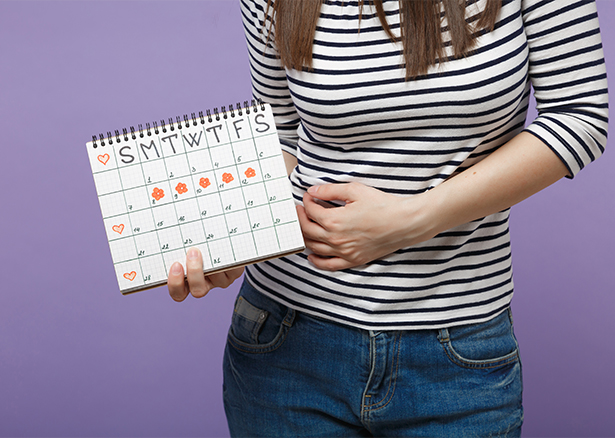
Tracking your periods and symptoms using a diary, calendar or period-tracking app can help you and your GP identify what’s normal for you and what may need investigation. If you experience pain or heavy bleeding, record its severity – for example, pain out of 10 or the number of soaked super tampons used per day.

Your family’s menstrual and gynaecological history can also be useful. A history of painful or irregular periods, infertility, early menopause or conditions such as endometriosis in close female relatives may increase your risk of certain conditions.

If your periods are abnormal, it can help to consider whether the issue is frequency or regularity, amount of bleeding, or pain, as these can help narrow down possible causes.

Free Assessment

Problems With the Frequency of Bleeding

Amenorrhea (no periods): This can be primary, meaning you have never had a period, or secondary, meaning your periods have stopped. An important cause to rule out is PREGNANCY, so take a pregnancy test if this is possible. Other causes include polycystic ovarian syndrome (PCOS), genetic conditions, abnormalities of the uterus or cervix, and hormonal disorders. If you haven’t had a period by age 16, you should see a doctor for investigation.

Polymenorrhea (too-frequent periods): This means cycles shorter than 21 days. It can occur normally around menarche or menopause, but it’s important to distinguish a genuinely short ovulatory cycle from bleeding between periods. Causes may include stress, endometriosis, STIs, hormonal abnormalities, hormonal contraception, malnutrition or, rarely, cancer. Frequent periods should be assessed by a doctor, particularly if you are very tired or breathless, as iron deficiency may be a concern.

Oligomenorrhea (infrequent and/or irregular periods): This can be primary or secondary and commonly occurs around menarche or menopause. Other causes include PCOS, genetic or hormonal disorders such as diabetes and thyroid problems, uterine or cervical abnormalities, hormonal contraception, eating disorders, excessive exercise, being underweight or malnourished, stress, some medications and pregnancy. This should be assessed by your doctor.

Problems With the Amount of Bleeding

Usually the problem here is too much bleeding, known as menorrhagia (I don’t think I’ve ever had someone complain that their periods were too light!). This can be devastating for some women, preventing them from leaving the house or participating in activities for fear of “flooding”. Often it causes iron-deficiency anaemia through severe blood loss, leaving women feeling exhausted or breathless.

Menorrhagia is more common in older women due to irregular ovulations as they approach menopause (dysfunctional uterine bleeding) but other causes include: fibroids (benign growths in the uterus); adenomyosis (like endometriosis within the wall of the uterus); thyroid disorders; endometrial hyperplasia (overgrowth of the uterine lining); blood clotting problems; medications; pregnancy complications and (rarely) cancer.


What Treatments Are There for Heavy Periods?

Your GP can arrange investigations to work out the underlying cause, and then make the appropriate treatment recommendations or refer to a specialist. There are lots of treatments that can be offered to help reduce the bleeding:

  • Non-steroidal anti-inflammatory drugs (NSAID’s, like naproxen or ibuprofen). When started at period onset, used regularly and at maximum dosing for several days, they can reduce blood flow and period pain significantly. Always take them with food.
  • Other medications to reduce blood flow, eg. tranexamic acid or progestins.
  • The pill, which reduces blood flow and can allow “period skipping”.
  • Implanon, depo injections or the Mirena intrauterine device. These are all hormonal contraceptives which can reduce bleeding, although Mirena will do this most reliably and Implanon may make bleeding more frequent for some users.
  • Endometrial ablation, ie. the lining of the uterus is cauterised by a specialist (Gynae).
  • Other gynaecological procedures may be useful, eg. fibroid removal.
  • Hysterectomy. This is usually the last-ditch option but may be appropriate for women who have completed their family or not responded to other treatments.

Painful Periods

Period pain that starts within the few years after menarche is called primary dysmenorrhea and is less likely to be due to an underlying gynaecological condition. It is very reasonable to try NSAID’s for this type of period pain, used exactly as described above for menorrhagia, ie. early, hard and often. Your GP can offer other treatment options if this doesn’t work. Secondary dysmenorrhea occurs in women who are older and previously had minimal or no period pain; this is more likely to be related to some underlying gynaecological disorder.

Endometriosis can be a cause of significant period and pelvic pain. This is more likely if pelvic pain occurs outside the first two days of the period or doesn’t get better on treatments like the pill or NSAID’s. According to Endometriosis Australia, up to 70% of girls who continue to have pain on the pill will have endometriosis. Adenomyosis is a related condition that can also cause severe period pain. Other causes of pelvic pain include fibroids, ovarian cysts, infections, copper IUD’s and non-gynaecological pelvic pain (eg. bowel pain, UTI’s).

Whatever your menstrual issue, it pays to be well-informed and know when it’s time to see your doctor.

● Jean Hailes for Women’s Health
● Healthdirect
● Women’s Health Queensland: A great primer about how the menstrual cycle works.
● Better Health Channel

Free Assessment

SUBSCRIBE TO OUR NEWSLETTER

Stay Updated

Get the latest in menopause care, expert advice and women's health updates straight to your inbox

Read our latest blogs
Name