


BLOG
Posted on 12 Feb 2026

Dr Kelly Teagle
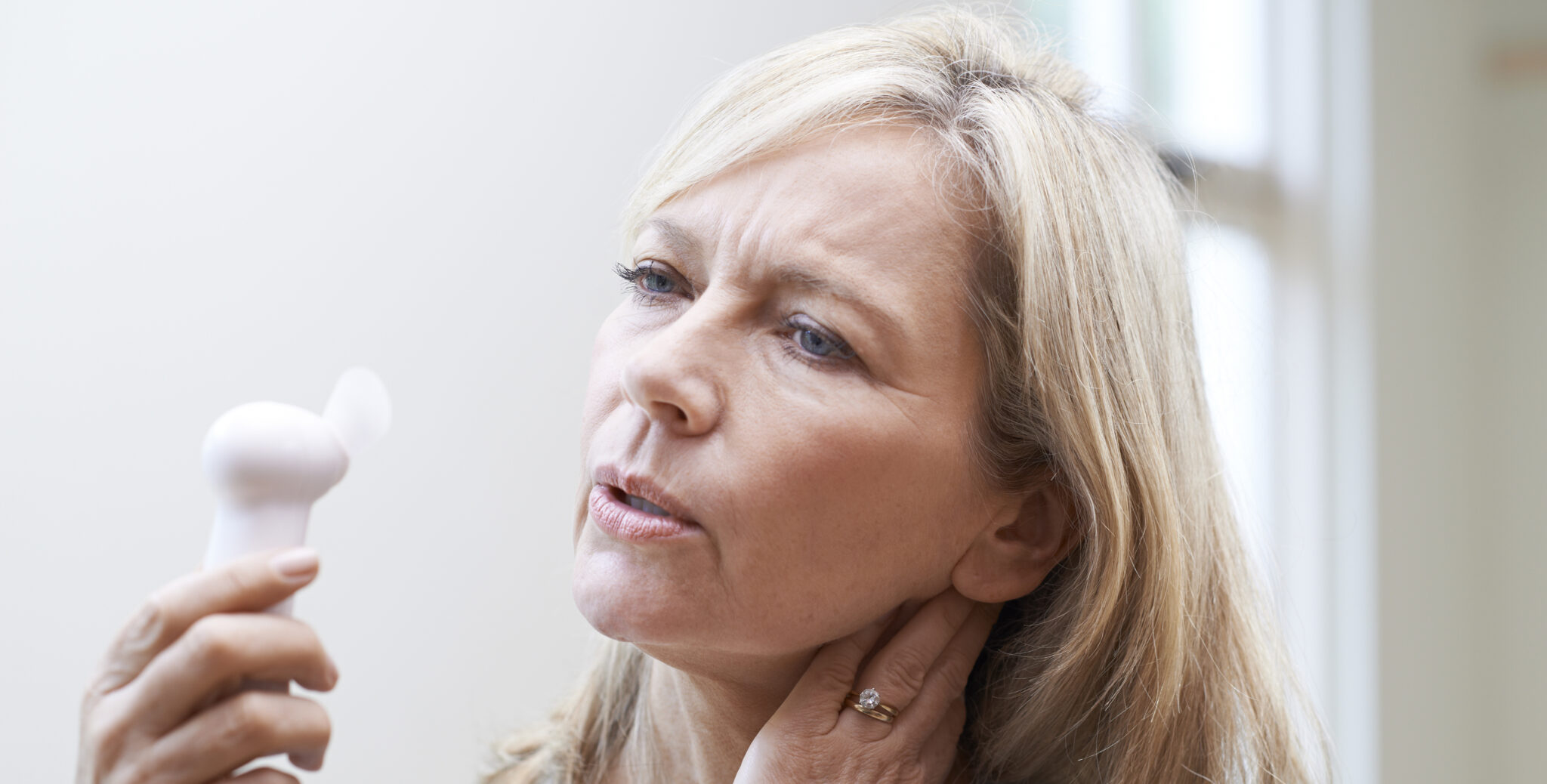
Hot flushes can be one of the most debilitating symptoms of perimenopause (the time leading up to menopause and some time afterwards). Most women will experience at least some flushes during their menopausal transition, and around 20 percent will have moderate to severe hot flushes (vasomotor symptoms, or VMS).
Women can experience the sensation of a hot flush quite differently, but it generally includes a feeling of warmth surging through your body. It can happen randomly throughout the day. You may wake from sleep feeling hot and sweaty, or feel a wave of heat washing over you soon after waking. Hot flushes can be accompanied by:

Skin redness
Sweating
Increased heart rate
A feeling of agitation or anxiety
Tingling in your extremities
Generally speaking, hormonal changes at perimenopause influence parts of the brain responsible for temperature regulation (thermoregulatory centres). The details of this mechanism are poorly understood. One theory is that women who are more prone to hot flushes have a narrower range of tolerance for temperature fluctuations. A hot flush might be triggered by drinking a hot drink, walking into a warm room, stress, alcohol or spicy food.
Large fluctuations in the sex hormones estrogen and progesterone around perimenopause are largely responsible for hot flushes. There is a great deal of evidence now that using hormonal treatments to “smooth out” these variations is the most effective way to relieve hot flushes. The safety of MHT was called into question many years ago after results from a large scientific study were poorly reported. We now know that MHT is safe and effective treatment for hot flushes in most perimenopausal women (Click here for details).
Women with a uterus use combined menopausal hormone therapy, because they require progestins to protect the uterus while they are on estrogen for their hot flushes. Women who’ve had a hysterectomy can use estrogen-only therapy for their hot flushes.
Non-hormonal treatments are generally not as effective at treating hot flushes, but they are a useful option for women who choose not to use MHT, or can’t use it for medical reasons. For example, some antidepressant/ anti-anxiety medications can reduce hot flushes by up to 50 percent. This makes them a good option for some women with flushes and mood symptoms.
Evidence for the effectiveness of complementary and herbal therapies in treating hot flushes is generally lacking. They can play a role in overall symptom management for some women though – a well-informed evaluation of the potential benefits and harms is important.
If you can’t find the professional help you need to treat your hot flushes then book a telehealth consultation today with a WellFemme menopause doctor.
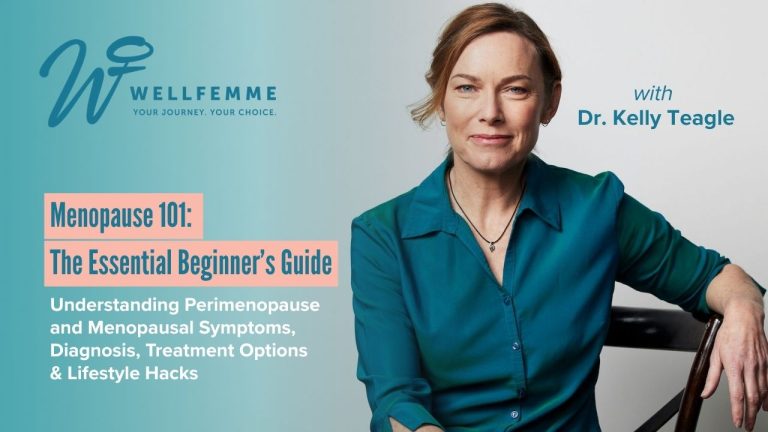
Our “Menopause 101” webinar is a quick, relaxed and fun introduction to all things perimenopause and menopause. TOPICS COVERED INCLUDE:...

By Dr Kelly Teagle
27 Jan 2026

Best supplements for sleep, hot flushes, and breast pain By Lara Briden There are so many ways to feel better...
By Dr Kelly Teagle
24 May 2021
SUBSCRIBE TO OUR NEWSLETTER
Get the latest in menopause care, expert advice and women's health updates straight to your inbox
Read our latest blogs Trusted by women across Australia, WellFemme delivers personalised menopause care, expert advice and compassionate support, all from the comfort of home.