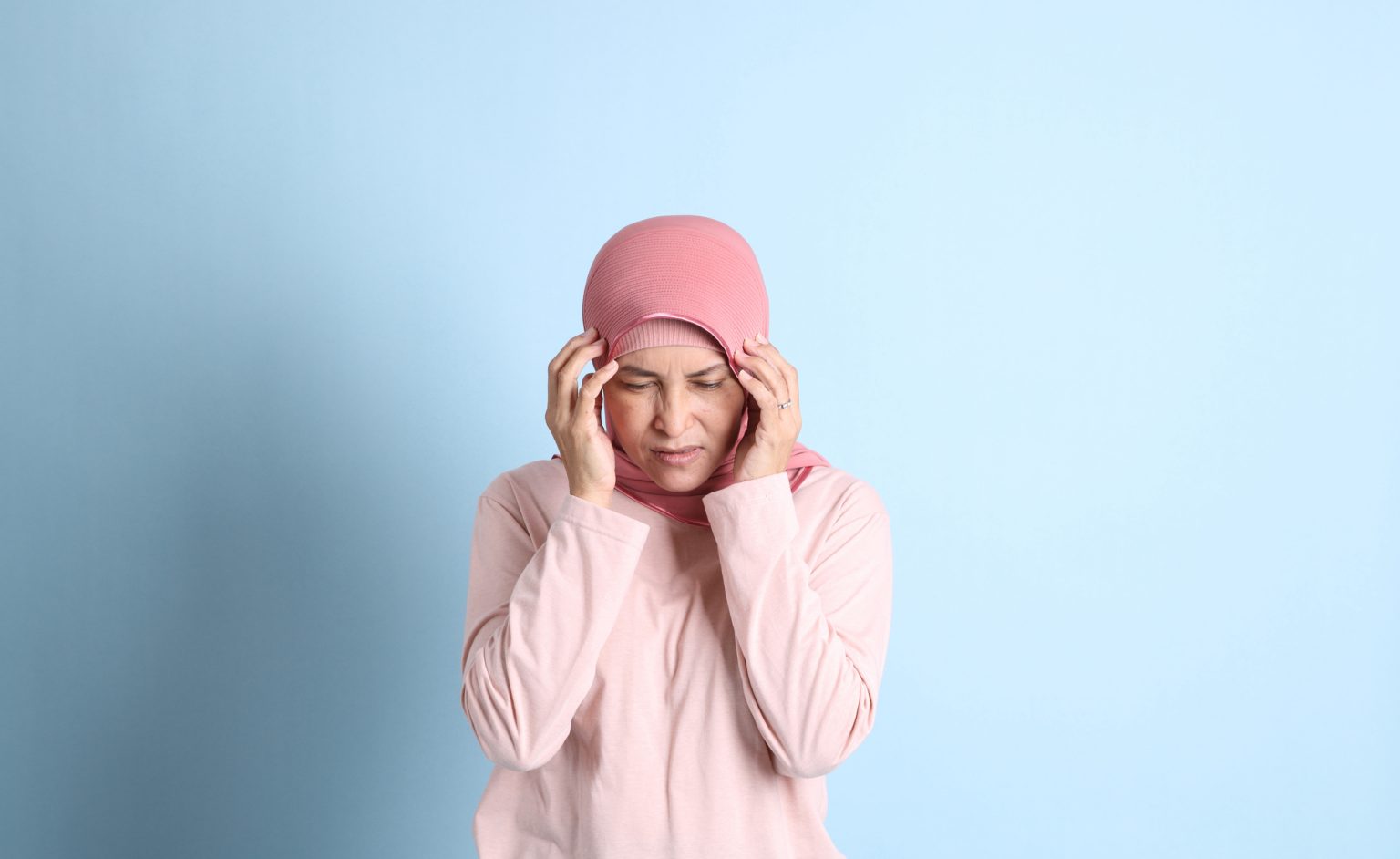
Many women notice a worsening of their migraine during perimenopause, or even new episodes of migraine.
Migraine is a common and often debilitating condition that affect millions of people worldwide, with three times more women sufferers than men. Many factors that can trigger migraine but the hormonal changes around menopause are sometimes a significant contributing factor. So what exactly is the relationship between migraine and menopause?
What’s The Difference Between a Headache and a Migraine?
Migraine is a particularly severe type of headache often characterised by a throbbing or pulsing pain on one side of the head. There may be a warning “aura” beforehand, such as dancing light in your vision, an unusual smell or even (scarily) drooping of the facial muscles; this can understandably be sometimes confused with a stroke.
What Causes Worsening Migraine During Perimenopause?
Migraine can occur at any time in a person’s life but in women they are most commonly associated with the reproductive years. This is because hormonal changes, particularly fluctuations in estrogen levels, can trigger migraine. It’s literally a “perfect storm” hormonally, which can worsen migraine during perimenopause.
During the menopausal transition, estrogen levels fluctuate significantly as the ovaries stop producing eggs. As a result, women may experience an increase in the frequency and severity of migraine during this time. In fact, research suggests that women are three times more likely to experience migraine during the menopausal transition than at any other time in their lives.
Managing Migraine During Perimenopause and Menopause
If you are experiencing migraine during menopause, there are some strategies you can use to manage this condition. Here are some tips:

Keep a Migraine Diary: Keeping a record of your migraine can help you identify triggers and patterns that may be contributing to your symptoms. Record the time of day, the foods you ate, and any stressful events or activities that occurred before a migraine attack.
Practice Relaxation Techniques: Stress can be a significant trigger for migraine. Try incorporating relaxation techniques like deep breathing, meditation, or yoga into your daily routine to help manage stress.
Stay Hydrated: Dehydration can be a trigger for migraine. Make sure you are drinking enough water and avoid caffeine and alcohol, which can dehydrate you.
Manage Hormonal Changes: Talk to your healthcare provider about hormonal treatments that may help manage migraine episodes during menopause. Hormone replacement therapy (HRT) can be an effective treatment for migraine in some women.
Consider Medications: If your migraine episodes are severe or frequent, your GP may prescribe medication to help prevent migraine or manage the symptoms when one strikes.
What are the Signs of More Serious Causes of Headaches?
Headaches are common and are usually not a cause for concern, but occasionally they can be a sign of a more severe underlying condition. Here are some signs that a headache may be caused by something more severe: See your doctor if any of the following are happening:

Sudden, very severe pain worse than you’ve ever experienced
Facial drooping or limb weakness
Slurring of speech
Confusion or delirious behaviour
Loss of consciousness
More frequent headaches
Changing character of headaches
Fever
Vomiting
Neck stiffness without known cause
Headache after a head injury, particularly with any of the above additionally
Where to Get Help for Migraine During Perimenopause and Menopause
Migraine episodes can be challenging to manage, but with the strategies listed above it is possible to reduce the frequency and severity of symptoms. If you are experiencing migraine during the menopausal transition talk to your healthcare professional about the best treatment options for you.
A doctor with experience in managing symptoms of the menopausal transition may also be able to offer a trial of hormonal treatments to “level out” the hormonal chaos and ease migraine.
For more information:
Information sheet: hormonal treatment and menopausal migraines from the Australasian Menopause Society
Information about women and migraines from Jean Hailes for Women’s Health and Migraine Australia
Video from the International Menopause Society
Louise Newson Podcast
Facebook support group
What is WellFemme About?
If you can’t find the professional help you need for your menopause or perimenopausal symptoms then book a Telehealth consultation with an expert WellFemme menopause doctor.
WellFemme is Australia’s first dedicated Telehealth menopause clinic, servicing locations nationwide including: Melbourne, Sydney, Adelaide, Darwin, Perth, Hobart, Brisbane, Dubbo, Bendigo, Broken Hill, Broome, Alice Springs, Launceston, Cairns, Mildura, Lightning Ridge, Kalgoorlie, Albany, Toowoomba, Charleville, Port Headland, Katherine, Ballarat, Coober Pedy, Bourke, Albury… and your place!