


Bloating
Bloating during perimenopause is common, uncomfortable and often linked to the hormonal changes happening in your body.


Feeling bloated or uncomfortable around your abdomen is a common symptom during perimenopause. You may notice that your stomach feels tight, full, or swollen, and that this discomfort comes and goes. These changes are often linked to hormonal fluctuations, particularly in estrogen, which can affect fluid balance and digestion.

During perimenopause, your levels of estrogen and progesterone begin to fluctuate before eventually declining. Estrogen helps regulate water balance in the body, so when it rises and falls unpredictably, your body may retain more fluid, leading to bloating.
These hormonal shifts can also affect your gut microbiome and how quickly food moves through the intestines. Combined with changes in diet, stress, and physical activity, this can make bloating more noticeable.
Other common contributors include:

Water retention from fluctuating hormone levels
Digestive changes due to slower metabolism or gut movement
Increased gas from certain foods or carbonated drinks
Irregular eating patterns, alcohol, or smoking
Stress, which can affect digestion and gut sensitivity
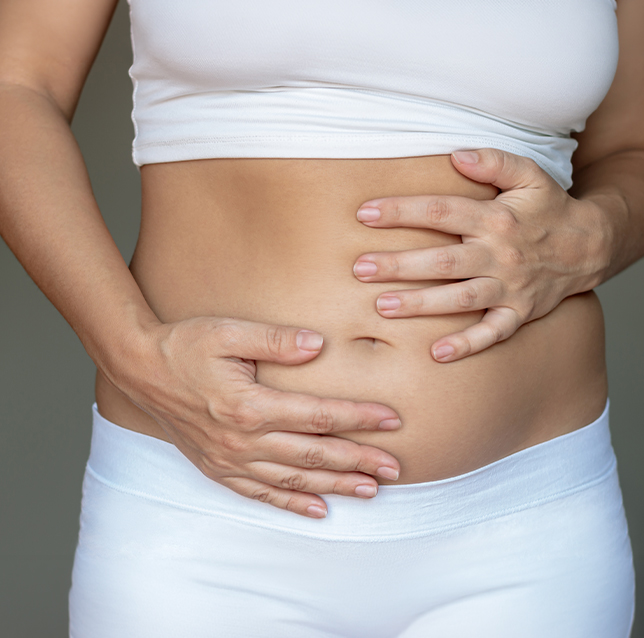


It can be hard to tell the difference between bloating and gradual weight gain around menopause.
Making small lifestyle and dietary changes can help reduce bloating and improve digestion.
Try to:
Eat regularly and avoid skipping meals
Limit foods that produce gas, such as beans, onions, and carbonated drinks
Reduce processed foods, salt, and added sugars
Stay hydrated by drinking plenty of water throughout the day
Avoid smoking and excessive alcohol
Move regularly, aiming for a mix of gentle exercise and strength training
Practice mindful eating, taking time to chew slowly and avoid swallowing air
If needed, your doctor or pharmacist may recommend:
Over-the-counter anti-bloating medications (such as simethicone)
Prescription diuretics for significant fluid retention
Hormonal support, such as Menopausal Hormone Therapy (MHT), if symptoms are related to fluctuating estrogen levels.


Bloating is usually harmless, but if it is persistent, painful, or lasts for several weeks, it should be checked by a doctor. Ongoing bloating may be related to conditions such as:
Irritable bowel syndrome (IBS)
Coeliac disease
Gastroesophageal reflux disease (GERD)
Ovarian or gastrointestinal issues that require medical assessment
If bloating is affecting your comfort or routine, book a Telehealth consultation with a WellFemme menopause doctor.
SUBSCRIBE TO OUR NEWSLETTER
Get the latest in menopause care, expert advice and women's health updates straight to your inbox
Read our latest blogs Trusted by women across Australia, WellFemme delivers personalised menopause care, expert advice and compassionate support, all from the comfort of home.