


Menopause symptoms vary widely and can affect your body, mood, sleep, and relationships. Recognising them early can help you manage this phase more confidently.

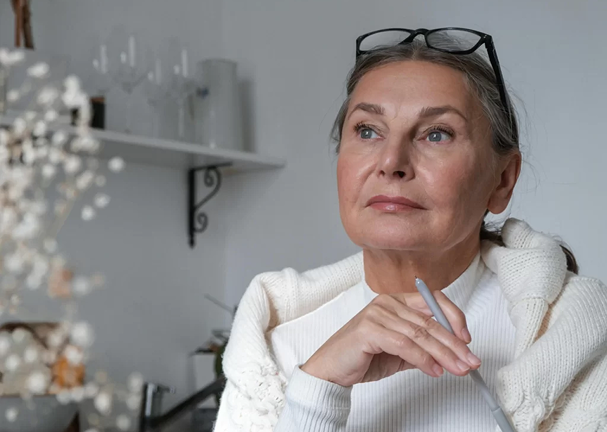
Many women suffer unnecessarily with debilitating symptoms related to menopause. Some think it’s just something they have to put up with, or they aren’t aware of the safe, effective treatment options available.
Others simply don’t have access to healthcare professionals with the expertise to help them. WellFemme was established to help the thousands of Australian women who need access to quality menopause care. WellFemme’s personalised, evidence-based treatment plans are available to all Australian women, wherever they live, using simple internet and phone-based solutions. Now any woman can access the menopause care she needs from her own home or office.
Up to 80% of us will experience menopausal symptoms at some time.



Have trouble sleeping through the night.

Many women delay support until symptoms worsen.

Experience disruptive symptoms.

Report vaginal dryness affecting daily comfort.

Connect with a WellFemme doctor or nurse for expert, personalised menopause support, treatment, and guidance.
View More
Download evidence-based guides on menopause symptoms, treatments, and hormone therapy options.
View More
Watch expert-led menopause sessions covering symptoms, treatment pathways, and supportive lifestyle tips.
View MoreAnswers to common menopause questions, what’s normal, what’s not, and when to get support.
Menopause typically occurs between the ages of 45 and 55, with the average age around 51. The transition phase, known as perimenopause, can begin several years earlier — often in a woman’s early to mid-40s. Factors like genetics, smoking, medical treatments, or certain health conditions can cause menopause to occur earlier.
The menopause transition, or perimenopause, usually lasts 4 to 8 years, but this can vary widely. During this time, hormone levels fluctuate, leading to symptoms like hot flushes, irregular periods, and mood changes. Menopause is officially reached 12 months after the final menstrual period, but some symptoms can continue for several years afterward as the body adjusts to lower hormone levels.
Yes. Menopause symptoms often fluctuate over time. Hormone levels naturally rise and fall during the transition, which can cause symptoms like hot flushes, mood changes, or sleep disturbances to come and go or vary in intensity. Some women experience symptom-free periods followed by a return of symptoms, while others notice gradual improvement as hormone levels stabilize after menopause.
Yes. Perimenopause is the transition phase leading up to menopause, when hormone levels begin to fluctuate and symptoms such as hot flushes or irregular periods start. Menopause is reached when a woman has gone 12 consecutive months without a menstrual period, marking the end of reproductive years. After that, the body enters the postmenopause stage, when hormone levels remain low and some symptoms may ease over time.
Yes. Many women find relief from menopause symptoms through natural and lifestyle approaches, including:
These natural methods can help manage symptoms and support overall wellbeing during the menopause transition.
Yes. Hormonal changes during perimenopause and menopause can influence brain chemistry, affecting mood, memory, and emotional wellbeing. Common experiences include irritability, anxiety, low mood, or difficulty concentrating. Sleep disturbances from night sweats can worsen these effects. Lifestyle strategies, stress management, and, in some cases, medical treatments can help support mental health during this transition.
Yes. Hormonal changes during menopause, especially lower estrogen levels, can affect sexual health. Common effects include:
Using lubricants or moisturizers, maintaining open communication with partners, and discussing options like hormone therapy or non-hormonal treatments with a healthcare provider can help improve comfort and sexual wellbeing.
Yes. Making targeted lifestyle adjustments can significantly ease menopause symptoms:
Combined, these changes can improve comfort, energy, and overall wellbeing during menopause.
SUBSCRIBE TO OUR NEWSLETTER
Get the latest in menopause care, expert advice and women's health updates straight to your inbox
Read our latest blogs Trusted by women across Australia, WellFemme delivers personalised menopause care, expert advice and compassionate support, all from the comfort of home.