


Heart palpitations
Many women notice new or more frequent heart palpitations during and after menopause. These sensations are usually harmless, but it’s always best to understand what’s happening and talk with your doctor to rule out other causes.
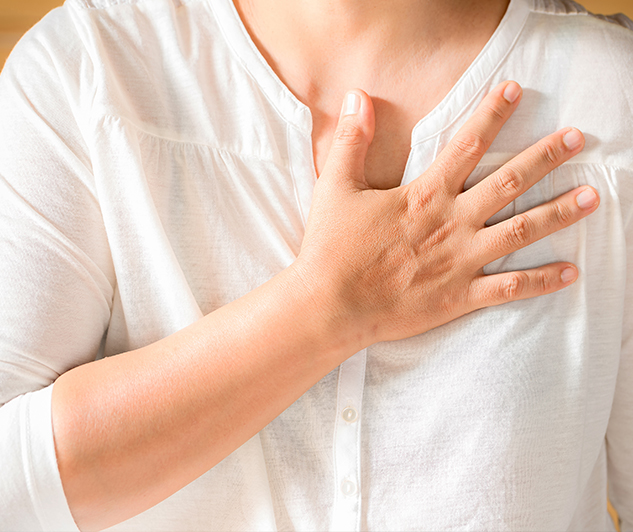

Feeling your heart race or flutter can be unsettling, especially when it happens unexpectedly. Many women notice new or more frequent heart palpitations during and after menopause. These sensations are usually harmless, but it’s always best to understand what’s happening and talk with your doctor to rule out other causes.
Heart palpitations are irregular or more noticeable heartbeats. They may feel like:

A fluttering or pounding in the chest
A racing heartbeat
A skipped or extra beat
Palpitations can last for just a few seconds or a few minutes. They often come and go and may occur when you’re resting, stressed, or after having caffeine or alcohol.
In most cases, palpitations are not dangerous, but if they’re new or frequent, they should be checked by a doctor.

After menopause, lower estrogen levels can affect the way your heart responds to normal signals in the body. This can make the heart beat faster or less rhythmically at times.
Other factors that can contribute to heart palpitations include:
Hot flushes and night sweats
Stress or anxiety
Caffeine, alcohol, or nicotine
Lack of sleep
Certain medications or supplements
The hormonal changes of menopause can also make you more aware of your heartbeat, even if it’s normal.
Simple lifestyle changes can help reduce how often palpitations occur and make them less noticeable:
Limit caffeine and alcohol
Avoid smoking and stimulant drinks
Practice relaxation techniques such as deep breathing, yoga, or mindfulness
Get enough sleep and manage stress
Stay active with regular exercise
If your palpitations are linked to hormonal changes, Menopausal Hormone Therapy (MHT) may be an option to discuss with your doctor.



It’s important to speak to your doctor if you notice heart palpitations for the first time, or if they are:
Your doctor may recommend simple tests such as an ECG or blood work to rule out heart conditions or thyroid problems.
Supporting heart health after menopause
After menopause, the risk of heart disease gradually increases. A healthy lifestyle can help protect your heart and overall well-being:
SUBSCRIBE TO OUR NEWSLETTER
Get the latest in menopause care, expert advice and women's health updates straight to your inbox
Read our latest blogs Trusted by women across Australia, WellFemme delivers personalised menopause care, expert advice and compassionate support, all from the comfort of home.