SYMPTOMS
Why do we get hot flushes and night sweats in the menopausal transition, and how can we relieve them?


Up to
Of women experience hot flushes and night sweats during menopause
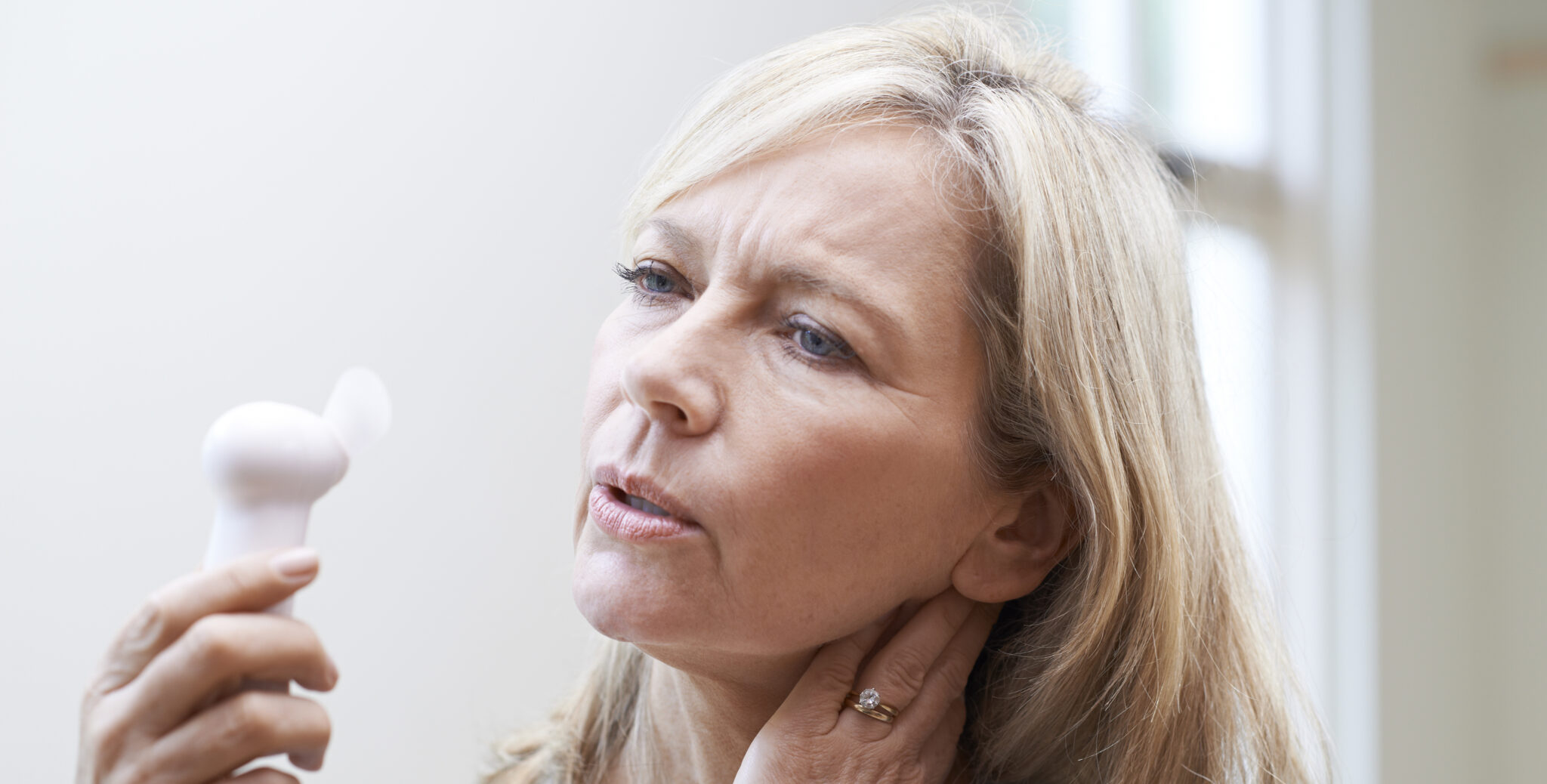
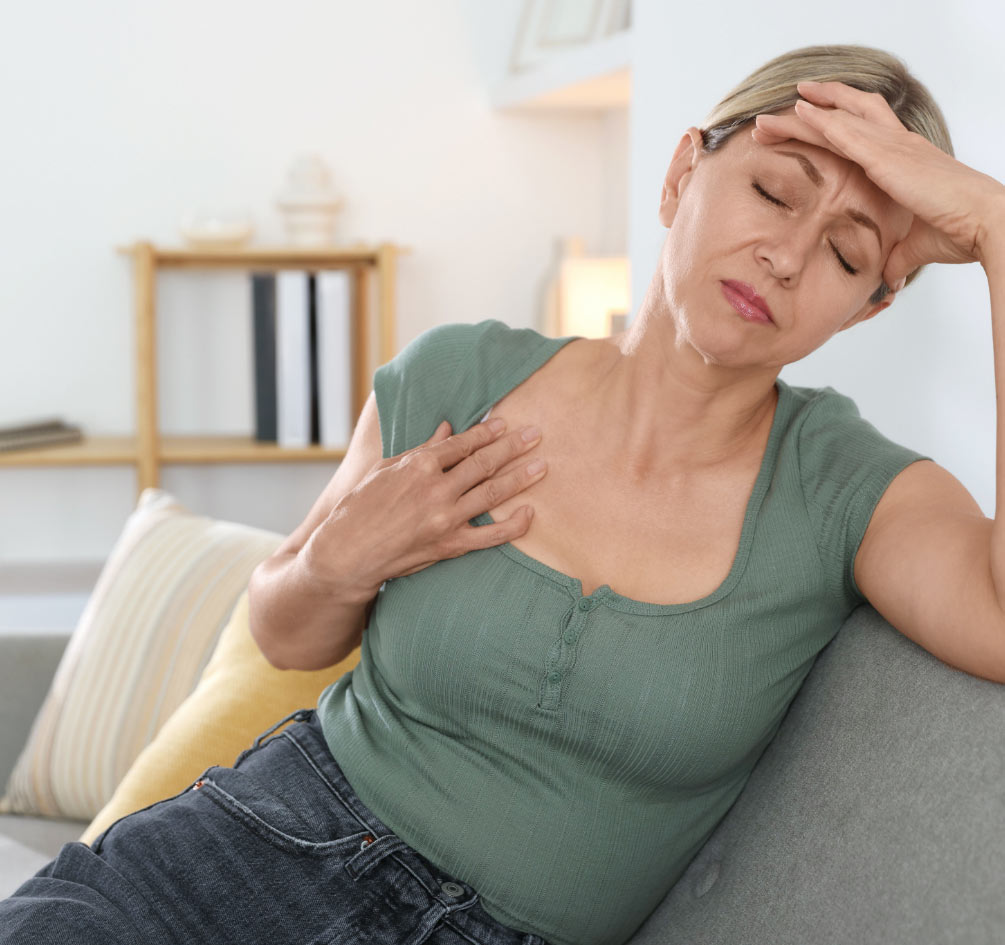
Hot flushes can be one of the most debilitating symptoms of perimenopause (the time leading up to menopause and some time afterwards). Most women will experience at least some flushes during their menopausal transition, and around 20 percent will have moderate to severe hot flushes (vasomotor symptoms, or VMS).
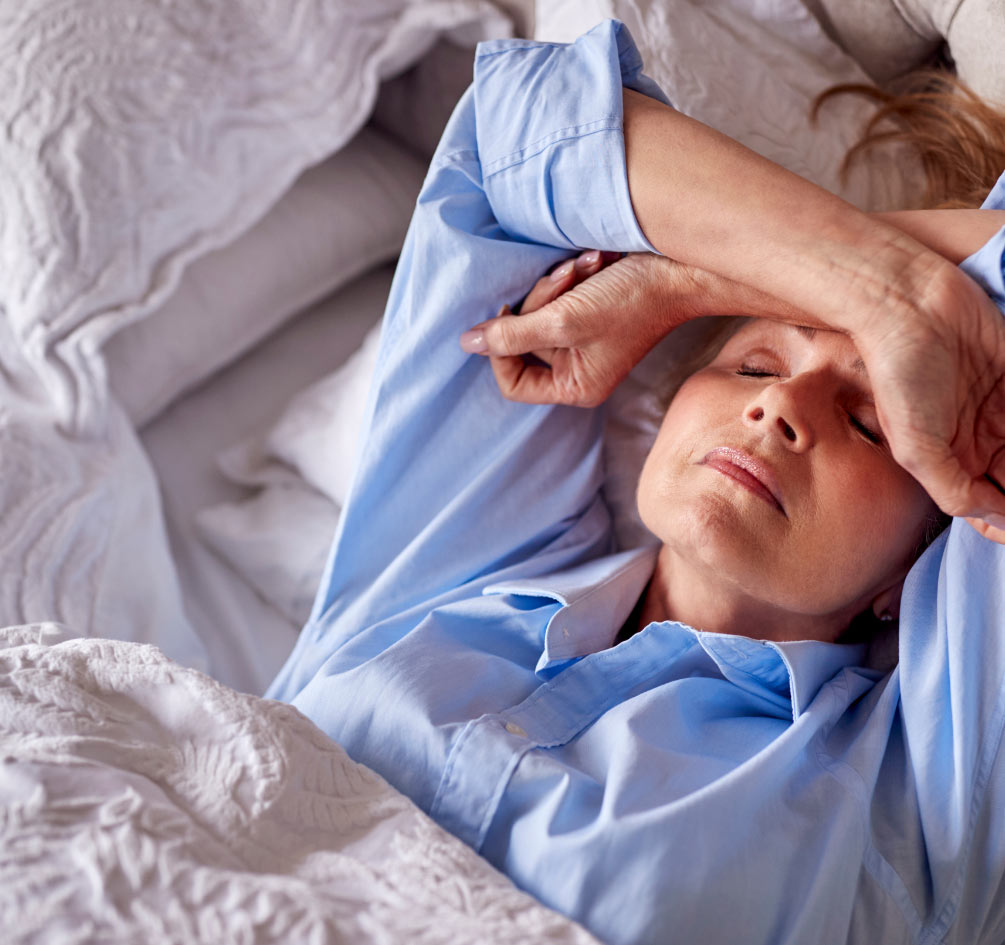
Frequent or intense hot flushes can affect more than comfort – they can disrupt sleep, concentration, and mood. Sudden waves of heat during meetings, social events, or physical activity may cause embarrassment or anxiety. Night sweats can lead to fatigue and irritability, making daily tasks feel harder. Over time, these symptoms can influence overall wellbeing, productivity, and confidence.

As estrogen levels fluctuate and decline during perimenopause and menopause, the brain’s temperature-control system becomes more sensitive to small changes in body temperature.
The hypothalamus acts like the body’s thermostat. With lower estrogen, the comfortable temperature range (“thermoneutral zone”) becomes narrower, so even a small rise in temperature can trigger a flush.
Sweat glands are activated to cool the body down. This is why hot flushes can be followed by sweating, sometimes enough to disturb sleep.
Changes in the autonomic nervous system can contribute to the sudden surge of heat, increased heart rate and sweating that accompany a flush.
Alcohol, caffeine, spicy foods, hot drinks, stress, anxiety, warm environments and sometimes exercise can trigger or intensify hot flushes.
A hot flush is really a thermoregulatory response: the brain mistakenly detects a need to cool the body, even when body temperature is normal. Find out the best supplements to help ease hot flushes and night sweats.
Women can experience the sensation of a hot flush quite differently, but it generally includes a feeling of warmth surging through your body. It can happen randomly throughout the day. You may wake from sleep feeling hot and sweaty, or feel a wave of heat washing over you soon after waking. Hot flushes can be accompanied by:
Skin redness
Sweating
Increased heart rate
A feeling of agitation or anxiety
Tingling in your extremities

Large fluctuations in the sex hormones estrogen and progesterone around perimenopause are largely responsible for hot flushes. There is a great deal of evidence now that using hormonal treatments to “smooth out” these variations is the most effective way to relieve hot flushes. The safety of MHT was called into question many years ago after results from a large scientific study were poorly reported. We now know that MHT is safe and effective treatment for hot flushes in most perimenopausal women (Click here for details).
Women with a uterus use combined menopausal hormone therapy, because they require progestins to protect the uterus while they are on estrogen for their hot flushes. Women who’ve had a hysterectomy can use estrogen-only therapy for their hot flushes.
Non-hormonal treatments are generally not as effective at treating hot flushes, but they are a useful option for women who choose not to use MHT, or can’t use it for medical reasons. For example, some antidepressant/ anti-anxiety medications can reduce hot flushes by up to 50 percent. This makes them a good option for some women with flushes and mood symptoms.
Evidence for the effectiveness of complementary and herbal therapies in treating hot flushes is generally lacking. They can play a role in overall symptom management for some women though. A well-informed evaluation of the potential benefits and harms is important; I recommend reading this primer from the Australasian Menopause Society.
If you can’t find the professional help you need to treat your hot flushes then book a telehealth consultation today with a WellFemme menopause doctor.
Share your symptoms and health goals in minutes.
Select your doctor and preferred appointment time online.
Get expert guidance, treatment options, and prescription support.
Quick answers about new patient consultations, rebates, prescriptions, and how to prepare before your appointment.
A typical hot flush usually lasts 2 to 10 minutes, though some may be shorter or extend up to 20 minutes in rare cases. The intensity can vary, starting with a sudden feeling of warmth, flushing of the skin, and sometimes sweating, before gradually subsiding. Frequency can range from a few episodes per week to several per day, depending on the individual and triggers.
Hot flushes can be one of the first signs of menopause, but they don’t always indicate it’s happening immediately. They often appear during perimenopause, the transition phase before periods stop completely, which can start several years before menopause.
Hot flushes can be triggered by factors that affect the body’s temperature regulation or stimulate the nervous system. Common triggers include:
Identifying and avoiding personal triggers can help reduce their frequency and intensity.
No, Menopause Hormone Therapy (previously known as HRT) is effective for reducing hot flushes, but it is not the only option. Alternatives include:
The choice depends on individual health, symptom severity, and personal preferences.
While night sweats are often linked to menopause, they can also signal other health issues. Possible causes include infections, thyroid problems, certain medications, low blood sugar, or even some cancers. Persistent or severe night sweats should be discussed with a healthcare professional to rule out underlying conditions.
Yes. Hot flushes can disrupt sleep, causing night sweats, frequent awakenings, and fatigue, which affect mood, concentration, and overall energy. During the day, sudden flushes can cause discomfort, or embarrassment and anxiety, making work, social interactions, and routine tasks more challenging. Over time, frequent hot flushes can impact quality of life and wellbeing.
You should consult a healthcare professional if:
You can reduce the frequency and intensity of hot flushes through lifestyle and behavioral strategies:
These strategies can significantly improve comfort and quality of life, even without medication.
SUBSCRIBE TO OUR NEWSLETTER
Get the latest in menopause care, expert advice and women's health updates straight to your inbox
Read our latest blogs