


Joint pain after menopause
Joint pain and stiffness can become more noticeable after menopause, affecting comfort, movement and everyday life.

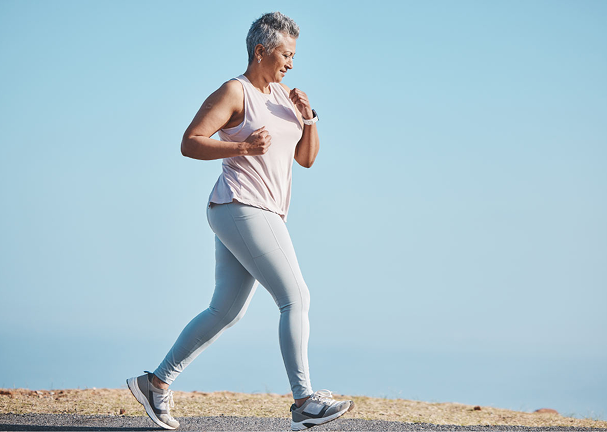
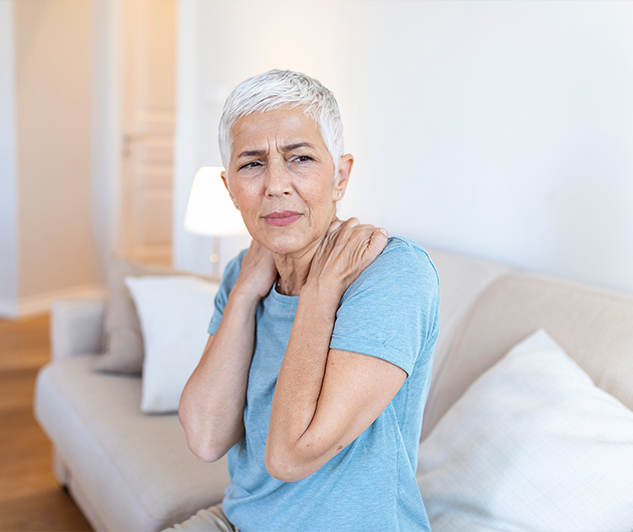
Aches and stiffness in the joints are common after menopause, often appearing in the shoulders, knees, neck, or hands. For some women, this discomfort feels mild and temporary; for others, it can become a daily frustration that affects movement and quality of life.
Hormonal changes, particularly the decline in estrogen, play a key role in postmenopausal joint pain. Understanding why it happens and what can help makes it easier to find relief and protect long-term joint health.
Estrogen helps reduce inflammation and supports the tissues that cushion your joints. When estrogen levels fall after menopause, this natural protection decreases, leading to stiffness, tenderness, or swelling in the joints.
Other factors can also contribute to postmenopausal joint pain, including:

Reduced muscle mass and bone density
Weight gain, which adds pressure to joints
Lack of regular movement or stretching
Poor posture or long periods of sitting
Stress, which increases tension and pain perception
While these changes are common, joint pain isn’t something you simply have to put up with, there are effective ways to manage it.


A combination of movement, nutrition, and targeted treatment can make a big difference in reducing pain and improving flexibility.
If you experience persistent or severe joint pain, it’s important to speak with your GP to rule out other causes such as osteoarthritis or inflammatory joint conditions.
SUBSCRIBE TO OUR NEWSLETTER
Get the latest in menopause care, expert advice and women's health updates straight to your inbox
Read our latest blogs Trusted by women across Australia, WellFemme delivers personalised menopause care, expert advice and compassionate support, all from the comfort of home.