


Irritability in Perimenopause
Irritability can be a surprisingly common part of perimenopause - find out why it can increase during perimenopause and what may help.


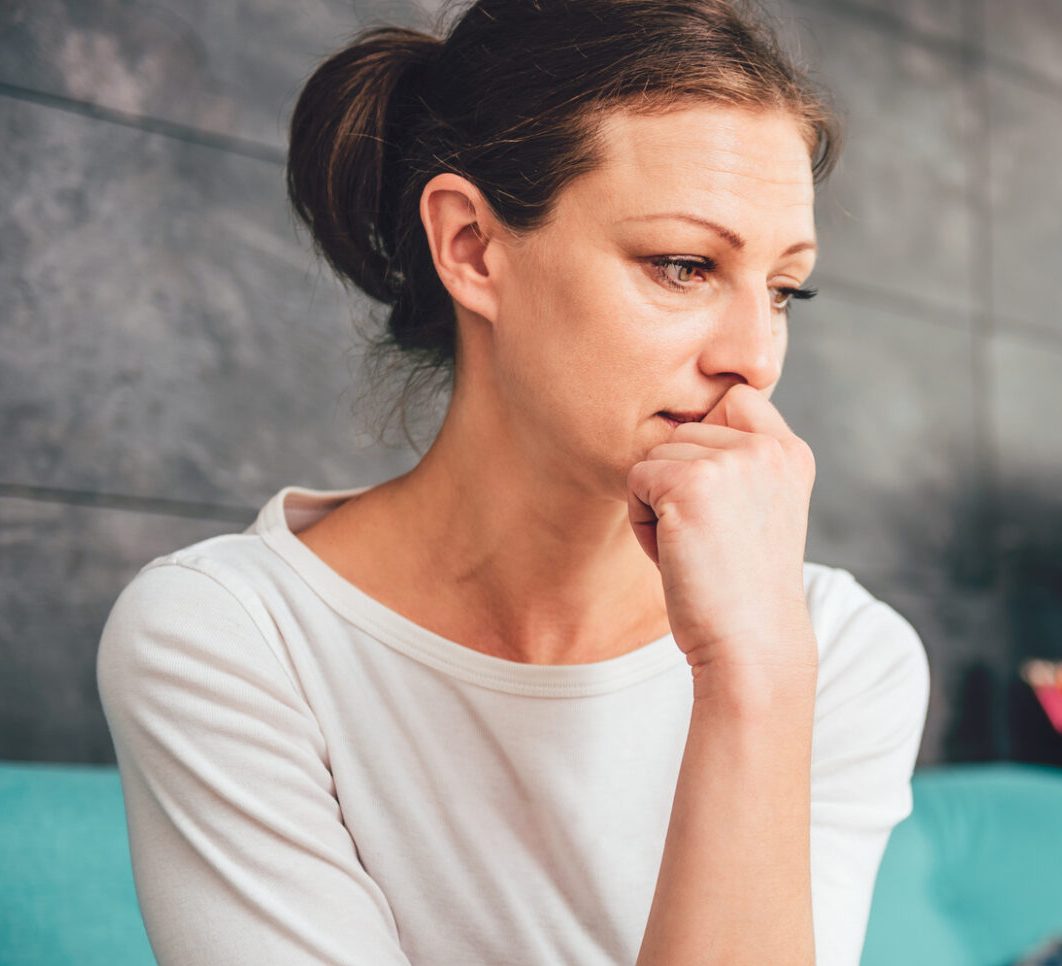
Many women notice they become more irritable or short-tempered during perimenopause. You might find yourself snapping more easily, feeling impatient, or becoming overwhelmed by things that didn’t bother you before. These changes are common and can often be traced back to hormonal fluctuations, poor sleep, or the stress of managing multiple responsibilities at once.

As estrogen and progesterone levels begin to rise and fall unpredictably, they can affect neurotransmitters such as serotonin and dopamine, which help regulate mood. When these hormones fluctuate, mood stability can too, leading to increased frustration, anger, or tension.
Irritability can also be linked to other symptoms of perimenopause, including:

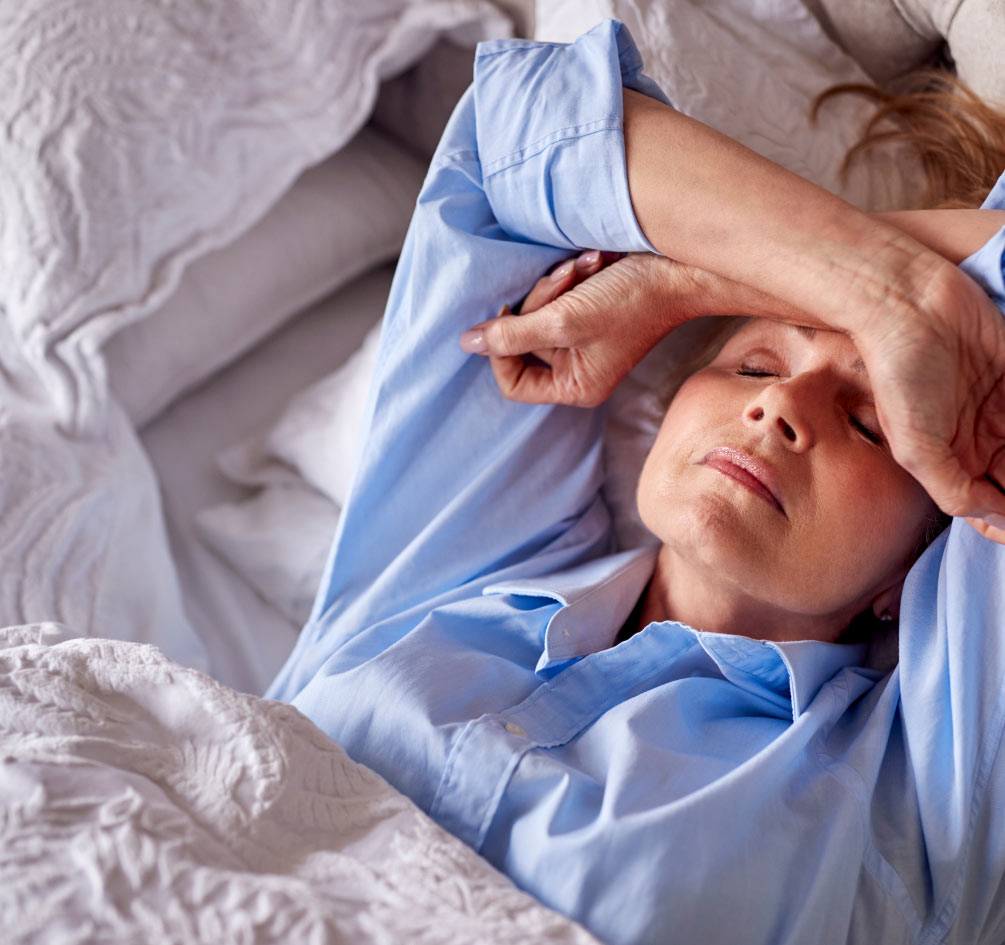
Hot flushes and night sweats that disturb sleep
Fatigue or low energy
Anxiety or low mood
Poor concentration and forgetfulness
Physical discomfort, such as bloating or headaches
Outside of hormonal changes, the 40s and 50s are often a demanding time in life. Balancing family, work, health, and changing relationships can leave little time for self-care, which can make irritability worse.

Managing irritability during perimenopause starts with understanding what triggers it. Keeping a journal of when irritability occurs and what was happening at the time can help you recognise patterns related to sleep, stress, or hormonal symptoms.
Your WellFemme menopause doctor may suggest:
Our blog and webinar “Mental Health Issues Around Menopause” might offer some insight into what you are experiencing, and some helpful tips as well.
If irritability or mood swings are starting to impact your daily life, getting the right support can make a real difference.
WellFemme’s experienced menopause doctors understand how shifting hormones can influence mood and emotional balance. They take a caring, whole-person approach, helping you identify possible triggers, improve lifestyle habits, and explore safe, effective treatment options tailored to your needs.
Your WellFemme clinician can also work closely with your regular GP to ensure your care is well-coordinated and supportive of your overall well-being.
If you’re ready to take the next step toward feeling more settled and supported, book a Telehealth consultation with a WellFemme menopause doctor today.

SUBSCRIBE TO OUR NEWSLETTER
Get the latest in menopause care, expert advice and women's health updates straight to your inbox
Read our latest blogs Trusted by women across Australia, WellFemme delivers personalised menopause care, expert advice and compassionate support, all from the comfort of home.