


Menopause can bring a range of symptoms, from hot flushes and night sweats to sleep disturbances, mood changes and vaginal discomfort. There is a range of non-hormonal menopause treatments available to help manage these symptoms, which can affect everyday life, work, relationships and overall wellbeing.
While menopausal hormone therapy (MHT) is an effective treatment for many menopause symptoms, it isn’t the right choice for everyone. Some women prefer not to use hormones, while others may have medical reasons to consider alternatives.

To understand how MHT works, including its potential benefits and risks, read our guide to menopausal hormone therapy.
Non-hormonal menopause treatments offer additional options for managing symptoms during perimenopause and menopause. The Australian Government provides an overview of menopause treatment options, including prescription medicines, psychological therapies, lifestyle approaches and non-hormonal products for vaginal dryness.
The most suitable approach depends on your symptoms, medical history, preferences and treatment goals. Understanding the options available can help you have a more informed conversation with your doctor about what may work for you.
Written by WellFemme staff writer Sally Stankovic | Medically reviewed by Dr Kelly Teagle, Founder and Clinical Director, MBBS, BSc, FRACGP, GDip Women’s Health
Date published: 11 November 2026
Key Points About Non-Hormonal Menopause Treatments

Non-hormonal menopause treatments can help manage specific symptoms, including hot flushes, night sweats and mood changes.
Treatment should be individualised, taking into account your symptoms, medical history, other medicines and personal preferences.
Prescription medicines and psychological therapies offer options for women who prefer not to use MHT or for whom it may not be suitable.
Lifestyle and behavioural approaches, including physical activity, sleep strategies and stress management, may support symptom management and overall wellbeing.
Non-hormonal vaginal moisturisers and lubricants may help relieve vaginal dryness and discomfort during sexual activity.
Combining treatment approaches may help some women manage their symptoms more effectively.
A medical assessment can help identify suitable treatments, consider potential risks and interactions, and determine whether symptoms may have other causes.
On This Page
Can Cognitive Behavioural Therapy (CBT) Help Menopause Symptoms?
What Non-Hormonal Options Help Vaginal Dryness & Discomfort?
What Non-Hormonal Options May Be Considered After Breast Cancer?
Discussing Non-Hormonal Menopause Treatments with a WellFemme Doctor
Frequently Asked Questions About Non-Hormonal Menopause Treatments
What Are Non-Hormonal Menopause Treatments?
Non-hormonal menopause treatments help manage specific symptoms without using systemic estrogen or progestogen. The Australasian Menopause Society provides guidance on non-hormonal treatments. Options for women seeking menopause treatment without MHT/HRT include:
Prescription medicines, such as Fezolinetant and certain antidepressants, may help reduce hot flushes and night sweats.
Psychological therapies: Including cognitive behavioural therapy (CBT), which may help with sleep difficulties and the impact of menopause symptoms.
Physical and lifestyle approaches: pelvic floor physiotherapy, physical activity, and sleep strategies.
Complementary products: Including supplements and herbal preparations, although evidence of benefit varies and interactions with medicines are possible.
Each option has a specific purpose. A treatment that helps with hot flushes, for example, may not relieve vaginal dryness or address every menopause symptom. Non-hormonal treatments, therefore, don’t replicate all the effects of menopausal hormone therapy (MHT). Our detailed guide to MHT explains the different hormone treatments available, what symptoms they can help with and the benefits and risks to consider.
Local vaginal estrogen is a hormonal treatment, although systemic absorption is generally much lower than with systemic MHT. Explore vaginal dryness treatment and our broader menopause treatment options.
Non-hormonal doesn’t automatically mean risk-free. Suitability depends on individual circumstances, including potential benefits, side effects and interactions with other medicines.
Who Might Consider Non-Hormonal Menopause Treatments?
Non-hormonal menopause treatments may suit women who cannot take menopausal hormone therapy (HRT), have medical reasons to consider alternatives, have experienced unwanted side effects or need additional support for specific symptoms.
Your doctor can help you weigh up these options and assess whether another health condition may be contributing to your symptoms.
Women with a history of hormone-sensitive cancer, including breast cancer, may also consider non-hormonal options in consultation with their treating team.
Symptom-Based Guide to Non-Hormonal Menopause Treatments
| Symptom | Option categories |
| Hot flushes and night sweats | Prescription medicines, cognitive behavioural therapy (CBT), clinical hypnosis and comfort strategies |
| Sleep problems | Treatment for night sweats, CBT for insomnia (CBT-I) and sleep assessment |
| Mood changes and anxiety | Psychological therapies, prescription medicines where clinically indicated and lifestyle support |
| Vaginal and urinary symptoms | Vaginal lubricants and moisturisers, pelvic floor physiotherapy and medical assessment |
| Sexual wellbeing | Treatment for pain, pelvic floor physiotherapy, psychosexual therapy and medication |
Which Non-Hormonal Medicines Can Treat Hot Flushes?
Several prescription medicines can help reduce menopausal hot flushes and night sweats without hormone therapy. Options include fezolinetant, certain antidepressants, gabapentin and oxybutynin. The most suitable non-hormonal treatment depends on your symptoms, medical history, other medicines and potential side effects.
Fezolinetant (Veoza)
Fezolinetant is a non-hormonal prescription medicine approved in Australia for moderate to severe menopausal hot flushes and night sweats. It works by blocking neurokinin 3 (NK3) receptors involved in the brain’s temperature regulation.
Because serious liver injury has been reported, liver function tests are required before treatment and at specified intervals during treatment. Your doctor will also check for medicine interactions.
Antidepressants for Hot Flushes (SSRIs and SNRIs)
Certain selective serotonin reuptake inhibitors (SSRIs) and serotonin-noradrenaline reuptake inhibitors (SNRIs), including escitalopram and venlafaxine, may reduce hot flushes and night sweats, even in women without depression.
Not all antidepressants are equally effective, and side effects, interactions and withdrawal effects need consideration. Women taking tamoxifen should discuss medication selection with their doctor because some antidepressants can interfere with its effectiveness.
Gabapentin
Gabapentin, used for epilepsy and certain types of nerve pain, may help reduce hot flushes and night sweats. It may be considered when night-time symptoms are particularly troublesome. Drowsiness and dizziness are potential side effects and may increase the risk of falls.
Oxybutynin
Oxybutynin is commonly prescribed for overactive bladder and urinary urgency. It may also reduce hot flushes, but its anticholinergic effects can cause dry mouth, constipation, blurred vision and difficulty passing urine. Potential effects on memory and thinking also warrant consideration.
What Does Off-Label Prescribing Mean?
Off-label prescribing is a recognised part of medical practice and does not mean the medicine itself is unapproved. Some medicines used for the management of menopause-related vasomotor symptoms (such as hot flushes) were originally approved for other uses. Your doctor should explain the potential benefits, risks and alternatives. PBS subsidies may not apply to the off-label use, meaning the medicine could be supplied on a private prescription. Patients should ask about the likely cost at the pharmacy.
What Is Fezolinetant and How Does It Work?
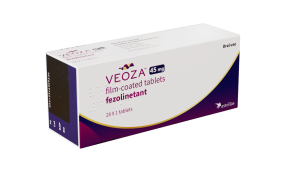
Fezolinetant (sold as Veoza) is a prescription non-hormonal medicine approved in Australia for moderate to severe menopausal hot flushes and night sweats, also known as vasomotor symptoms. Unlike menopausal hormone therapy (MHT), it doesn’t contain hormones.
How Does Fezolinetant Work?
As estrogen levels decline during menopause, changes in the brain’s temperature-regulation pathways can contribute to hot flushes and night sweats. Fezolinetant blocks neurokinin-3 (NK3) receptors involved in this process, helping to reduce these symptoms.
What Symptoms Can Fezolinetant Help With?
Fezolinetant treats hot flushes and night sweats. It may help improve sleep when these symptoms cause night-time disruption, but it doesn’t treat every menopause symptom or provide the same effects as MHT on vaginal tissues or bone health.
What Should You Know Before Taking Fezolinetant?
Your doctor will assess your medical history, other medicines and potential risks before prescribing Fezolinetant.
Important considerations include:
Liver health: Rare cases of serious liver injury have been reported. Liver function testing is required before treatment and at specified intervals during treatment, in accordance with current Australian prescribing information. Your doctor will explain the monitoring schedule and any further tests needed.
Medicine interactions: Some medicines can interact with Fezolinetant. Tell your doctor about all medicines and supplements you take.
Individual suitability: Fezolinetant isn’t suitable for everyone, including some people with liver or kidney conditions.
Whether local vaginal hormone treatment is appropriate alongside fezolinetant requires individual medical advice. See the RACGP’s review of non-hormonal menopause treatments for further information.
For detailed safety advice, consult the Veoza Consumer Medicine Information and the TGA’s liver-safety update.
Is Fezolinetant Available on the PBS?
TGA approval doesn’t automatically mean a medicine is subsidised through the Pharmaceutical Benefits Scheme (PBS). Check the PBS Medicine Status website or ask your doctor or pharmacist for the latest information.
Fezolinetant is non-hormonal, but it isn’t suitable for everyone. A medical assessment, a review of possible drug interactions, and appropriate liver function monitoring are essential. Your doctor can explain the latest safety advice and whether this treatment may be right for you.
Can Cognitive Behavioural Therapy (CBT) Help Menopause Symptoms?
Cognitive behavioural therapy (CBT) can help reduce the impact of menopause symptoms, particularly hot flushes, night sweats, sleep difficulties, anxiety and low mood.
Menopause-specific CBT is a structured psychological treatment that helps women recognise and change thought patterns and behaviours that contribute to distress. It offers practical strategies for responding to symptoms and reducing their effect on everyday life.
CBT may help with:
Hot flushes and night sweats: reducing distress and improving coping.
Sleep difficulties: addressing thoughts and behaviours that contribute to sleep problems.
Anxiety and low mood: developing strategies to manage difficult thoughts and emotional responses.
Worry about symptoms: building confidence and reducing disruption to daily activities.
CBT doesn’t necessarily reduce the frequency of hot flushes. Benefits may include feeling less distressed by symptoms and managing them better.
What Is the Difference Between CBT and CBT-I?
Menopause-specific CBT can address the impact of several symptoms, while cognitive behavioural therapy for insomnia (CBT-I) specifically targets persistent sleep difficulties. It addresses thoughts and behaviours that contribute to insomnia and may help when sleep problems continue even after night sweats improve.
CBT may be delivered individually, in groups or through suitable digital programs, depending on your needs and preferences.
For further information, see our guides: Better Nights Ahead: Reclaiming Sleep in Midlife and Mental Health & Mood Changes in Menopause.
Can Clinical Hypnosis Help Hot Flushes?
Clinical hypnosis uses focused attention and guided suggestion as part of a therapeutic approach.
Evidence suggests that clinical hypnosis may help reduce the impact of hot flushes and night sweats for some women. It may also support better sleep and help women manage the disruption these symptoms can cause in everyday life. However, results vary, and hypnosis is not guaranteed to work for everyone.
Clinical hypnosis differs from entertainment hypnosis. It should be delivered by a suitably trained practitioner with relevant clinical experience.
If you’re considering hypnosis for menopause symptoms, check the practitioner’s qualifications, training and experience in this area. Availability and the cost of sessions may also influence whether this approach is accessible to you.
For more information, see the Australian Government’s menopause treatment options.
What Lifestyle Changes Can I Make?
Everyday habits can support general health, improve sleep and mood, and help make menopause symptoms more manageable. Lifestyle changes can complement medical treatment, but significant symptoms may need additional support. Experiencing menopause symptoms doesn’t mean you haven’t looked after yourself properly.

Physical Activity and Strength Training
Regular physical activity supports cardiovascular health, muscle strength, bone health and wellbeing during and after menopause. Walking, resistance training, weight-bearing activity and balance exercises can all contribute to a balanced routine.
Exercise and a balanced diet offer important long-term health benefits but aren’t guaranteed to reduce hot flushes or night sweats.
Nutrition and Everyday Habits
A varied, balanced diet helps provide nutrients needed for muscle, bone and cardiovascular health. Other practical menopause lifestyle changes include:
Sleep routines: Keep consistent sleep and wake times and create a comfortable bedroom.
Cooling strategies: Dress in layers, keep your bedroom cool and use a fan if helpful.
Alcohol and caffeine: Consider reducing alcohol if it affects your sleep or symptoms, and adjust caffeine intake if it disrupts sleep.
Smoking: If you smoke, getting support to quit can benefit your health.
Stress management: Try relaxation techniques, gentle movement or activities that help you unwind.
Social connection: Stay connected with friends, family or supportive communities.
Cooling strategies and identifying personal triggers may improve comfort, although lifestyle changes won’t eliminate hot flushes for everyone.
What Can Help Menopause-Related Sleep Problems?
Sleep difficulties are common during perimenopause and menopause. Night sweats can interrupt sleep, but hormonal changes aren’t the only possible cause. Stress, anxiety, pain, sleep disorders and other health conditions can also contribute.
Non-hormonal menopause sleep treatment depends on what’s causing the problem. Options may include improving sleep habits, cognitive behavioural therapy for insomnia (CBT-I) and assessment for other possible causes.
If you’re experiencing insomnia during perimenopause, a medical assessment can help identify contributing factors and determine which approaches may be appropriate.
Practical strategies include:
Keeping a regular sleep and wake time.
Creating a comfortable, restful sleep environment.
Reviewing caffeine and alcohol intake to see if they affect sleep.
Using relaxation techniques to help unwind before bed.
Persistent insomnia, loud snoring, breathing pauses during sleep, restless legs or significant daytime sleepiness warrant medical assessment. These symptoms may indicate a sleep disorder or another condition that needs specific treatment.
How Can CBT-I Help?
Cognitive behavioural therapy (CBT-I) is a structured treatment that addresses the thoughts and behaviours contributing to persistent sleep difficulties. For some women, it may help improve sleep beyond general sleep-habit changes.
What Can Help Mood Changes and Anxiety?
Mood changes can occur during perimenopause and menopause. Some women experience increased irritability, anxiety, low mood or difficulty coping with everyday pressures.
Occasional irritability, emotional distress or feeling overwhelmed isn’t necessarily a sign of a mental health condition. However, persistent anxiety, ongoing low mood or symptoms that significantly affect daily life may indicate depression, an anxiety disorder or another condition that warrants professional assessment.
Treatment options may include:
Psychological therapy: Cognitive behavioural therapy (CBT) can help manage anxiety, emotional distress and unhelpful thought patterns.
Medication: Antidepressants may be prescribed for depression or anxiety when clinically appropriate. Their use for these conditions is distinct from their potential use for hot flushes.
Lifestyle support: Physical activity, adequate sleep, and social connection may support overall well-being.
Medical assessment: Reviewing symptoms, medicines, and other health conditions can help identify contributing factors.
Some treatments may affect sleep, sexual function or other aspects of well-being. Your doctor can discuss potential benefits, side effects and medicine interactions when considering suitable options.
If mood changes persist or affect your ability to function, speak with your doctor. Severe symptoms or thoughts of self-harm require prompt professional support.
For more information, watch our free webinar, “Mental Health Issues Around Menopause.”
Need support? Book a WellFemme consultation.
What Non-Hormonal Options Help Vaginal Dryness & Discomfort?
Vaginal dryness, irritation and discomfort during sex can occur during perimenopause and menopause and may be symptoms of genitourinary syndrome of menopause (GSM). Non-hormonal products and supportive therapies may help relieve discomfort.
Vaginal Moisturisers are used regularly to relieve dryness and irritation, providing ongoing moisture between sexual encounters.
Vaginal Lubricants reduce friction during sexual activity and may make sex more comfortable. Water-based and silicone-based products are common options. Choose one that suits your preferences and, where relevant, is compatible with condoms or other devices.
Pelvic Floor Physiotherapy and Other Support
Pelvic floor physiotherapy may help when muscle tension, pelvic pain or certain urinary symptoms contribute to discomfort.
Non-hormonal products primarily relieve dryness and friction-related discomfort and may not address all causes of vaginal or urinary symptoms.
Local vaginal estrogen is a hormonal treatment, although systemic absorption is generally much lower than with systemic MHT. A doctor can discuss whether it may be appropriate to consider non-hormonal approaches if they aren’t providing sufficient relief.
Persistent pain, bleeding, unusual discharge or ongoing urinary symptoms warrant medical assessment.
For more information, read our factsheet, Vaginal & Urinary Symptoms in Midlife.
What Can Help Urinary Symptoms and Recurrent Discomfort?
Urinary urgency, leakage, discomfort when passing urine and recurrent urinary tract infections can occur during midlife. However, these symptoms have different possible causes, so assessment is important before deciding on treatment.
Depending on the cause, treatment for menopausal urinary symptoms may include:
Bladder training: Gradually working towards more manageable bathroom intervals when appropriate.
Pelvic floor physiotherapy: Tailored exercises or relaxation techniques for certain types of leakage, muscle tension or bladder symptoms.
Treatment of infection: A healthcare professional can assess suspected urinary tract infections and recommend appropriate treatment.
Further medical assessment: Persistent or recurring symptoms may require investigation to identify the cause.
Not every bladder symptom is menopause-related.
Seek prompt medical assessment if you notice blood in your urine, develop a fever or pain in your side or back, or have difficulty passing urine. Recurrent urinary symptoms also warrant assessment rather than repeated self-treatment.
What Can Support Sexual Wellbeing Without Hormones?
Menopause can affect sexual well-being in different ways. Vaginal dryness or pain may make sexual activity uncomfortable, while sleep disruption, mood changes, relationship factors and some medicines can also influence sexual desire and satisfaction.
The most helpful approach depends on what’s affecting you. Treatment for low libido during menopause starts with understanding the possible contributing factors rather than assuming there’s one solution.
Options may include:
Addressing discomfort: Vaginal moisturisers and lubricants may help reduce dryness and friction.
Pelvic floor physiotherapy may help when pelvic floor muscle tension or dysfunction contributes to pain or discomfort.
Psychosexual counselling can provide support with intimacy, desire, sexual pain or changes in sexual relationships.
Reviewing medicines and other symptoms: Sleep problems, mood changes and medicine side effects may affect sexual wellbeing and can be discussed with your doctor.
If low libido or painful sex is affecting your well-being, a doctor can help assess possible causes and discuss suitable treatments. Testosterone is a hormonal treatment, not a non-hormonal option, and isn’t a universal treatment for low libido.
For more information: Low Libido & Sexual Issues, and Vaginal Dryness.
What Non-Hormonal Options May Be Considered After Breast Cancer?
Menopause symptoms can occur naturally or result from breast cancer treatments that affect ovarian function. Non-hormonal menopause treatment after breast cancer may help manage symptoms, but options should be discussed with your cancer care team and regular doctor, considering your cancer history, recurrence risk, current treatments and other medicines.
Options may include:
Certain antidepressants may help reduce hot flushes and night sweats, even without depression. Suitability depends on individual circumstances and potential interactions.
Gabapentin: May reduce hot flushes and night sweats for some women.
Cognitive behavioural therapy (CBT) may help reduce symptom-related distress and support sleep and mood.
Vaginal and sexual health care: Non-hormonal moisturisers and lubricants may relieve dryness and discomfort. Pelvic floor physiotherapy or specialist sexual health support may also help.
Sleep and lifestyle approaches: Sleep strategies and regular physical activity may support general well-being.
Tamoxifen interactions: Some antidepressants can interfere with how tamoxifen is processed. Your doctor or pharmacist should check the specific medication and any potential interactions before prescribing treatment.
Fezolinetant is another non-hormonal prescription option for hot flushes and night sweats. However, its suitability after breast cancer requires individual assessment, including consideration of cancer-specific evidence, current treatments and potential medicine interactions.
Early or treatment-induced menopause may also affect bone health, cardiovascular health and sexual wellbeing, requiring additional assessment and care. Read our guide to Menopause Treatments After Early Menopause or Cancer for more information.
Breast cancer is not the only hormone-sensitive cancer. Treatment recommendations may differ depending on the cancer type, treatments received and individual circumstances. For further information, visit Cancer Australia.
What Other Health Factors Affect the Choice?
Choosing a non-hormonal menopause treatment involves more than your symptoms. Your medical history, current health and other medicines can all influence which options are suitable.
For example, liver or kidney function, blood pressure, a history of falls, glaucoma, urinary retention or seizures may affect the suitability of particular medicines. Mental-health history, the possibility of pregnancy and other health conditions may also be relevant.
These factors don’t automatically rule out a treatment. Their importance depends on the medicine, your circumstances and the potential benefits and risks. There isn’t one safest non-hormonal menopause treatment for everyone.
Tell your doctor about all medicines and products you use, including prescription medicines, over-the-counter products, vitamins, herbal remedies and other supplements. Alcohol and recreational substances are also worth mentioning because they may affect treatment or increase side-effect risks.
Products described as natural aren’t necessarily risk-free. Some supplements interact with prescription medicines, including cancer treatments, antidepressants and anticoagulants. Check with your doctor or pharmacist before starting a new product, particularly if you’re receiving cancer treatment or taking several medicines.
Do Natural Remedies or Supplements Help Menopause Symptoms?
Many women consider natural remedies and supplements for hot flushes and other menopause symptoms. These products may contain herbal ingredients, vitamins, minerals or plant-derived compounds. However, evidence of their effectiveness is mixed, and many have not been shown to provide reliable symptom relief.

It’s important to distinguish between correcting a nutrient deficiency and treating menopause symptoms. Adequate nutrient intake supports general health, including bone and muscle health during and after menopause. However, taking a supplement to correct a deficiency doesn’t necessarily relieve hot flushes, night sweats or other menopause symptoms.
What Does the Evidence Say About Popular Menopause Supplements?
Soy and phytoestrogens: Soy foods contain isoflavones, a type of phytoestrogen. Evidence that soy products or concentrated supplements consistently relieve menopause symptoms remains mixed.
Black cohosh and red clover: These herbal products are marketed for menopause symptoms, particularly hot flushes, but evidence of benefit is inconsistent.
Magnesium and other vitamins and minerals: These nutrients support normal bodily functions, but supplementation isn’t an established general treatment for menopause symptoms when a deficiency is absent. Excessive intake can also cause harm.
St John’s wort: Sometimes used for mood-related concerns, this herbal product can interact with many medicines, including some antidepressants and cancer treatments. Seek professional advice before using it.
Evidence and safety can vary depending on a product’s ingredients, formulation, and dose. Some complementary medicines can interact with prescription medicines, and certain herbal products have been associated with liver injury.
Natural doesn’t automatically mean safe or effective. Speak with your doctor or pharmacist before starting a supplement, particularly if you have a significant health condition, a history of breast cancer or take regular medicines, including antidepressants or anticoagulants.
How are Complementary Medicines Regulated in Australia?
The Therapeutic Goods Administration (TGA) regulates many complementary medicines in Australia. You can check whether a product is listed or registered on the Australian Register of Therapeutic Goods (ARTG). Most complementary medicines are listed rather than registered on the ARTG. Listed status does not mean the TGA has individually assessed the product’s effectiveness before sale. Product quality, ingredients, dose, interactions and the evidence for the particular claim should still be considered.
How Is Non-Hormonal Treatment Selected?
There isn’t one best non-hormonal menopause treatment for every woman or every symptom. The right approach depends on your symptoms, how they affect your daily life, your medical history, and your personal preferences.
Start by identifying your priority symptoms. These might include hot flushes, night sweats, disrupted sleep, mood changes or vaginal discomfort. Noting how often symptoms occur, their severity and their impact on everyday activities can help you and your doctor decide where to focus treatment.
Your doctor will consider whether menopause is causing your symptoms or whether another health condition may be contributing. Your medical history, previous treatments and response to them will also help determine which options are appropriate.
Your preferences matter, too. You might favour prescription medicine, psychological therapy, lifestyle changes or a combination of approaches. Potential benefits, side effects, cost, access and any monitoring requirements can all influence your decision. Different symptoms may require different treatments rather than a single option that addresses everything.
If you’re looking for an HRT alternative in Australia, a consultation can help you understand the benefits and limitations of available non-hormonal treatments and decide which options best suit your circumstances.
Start with our Free Menopause Snapshot to help you identify and better understand your symptoms before speaking with a doctor.
Starting Treatment – What Should I Expect?
Starting a non-hormonal menopause treatment involves assessing whether it improves your symptoms and whether the benefits outweigh any side effects. The time needed to notice a difference varies depending on the treatment.
Before you begin, ask your doctor what improvement to expect, how long it may take and when to review your progress. Agree on the main symptom you’re hoping to improve, such as hot flushes, night sweats, sleep quality or day-to-day functioning.
A simple weekly note can help you assess progress. Record your main symptoms, any side effects and your planned review date. With psychological therapies such as cognitive behavioural therapy (CBT), improvements in coping and how bothersome symptoms feel may be just as important as changes in symptom frequency.
What If I Experience Side Effects?
Side effects vary between non-hormonal menopause medicines. Ask your doctor or pharmacist what to look out for and what to do if you have concerns.
Seek urgent medical help for severe symptoms such as difficulty breathing or swelling of the face or throat. Contact your doctor or pharmacist promptly about any new or troublesome side effects, and follow any medicine-specific safety instructions.
Don’t stop antidepressants, gabapentin or other regular medicines abruptly without medical advice. Some medicines need to be reduced gradually. Avoid changing several treatments at once without advice, as this can make it harder to identify what’s helping or causing side effects.
At your treatment review, you and your doctor can decide whether to continue, adjust or reconsider the approach.
Are Non-Hormonal Treatments as Effective as MHT?
Menopausal hormone therapy (MHT/HRT) is the most effective treatment for hot flushes and night sweats for many women who can safely use it. However, non-hormonal treatments can also provide meaningful symptom relief and may be more appropriate for women who prefer not to use hormones or have medical reasons to consider alternatives.
When comparing non-hormonal treatments with HRT, it’s important to consider which symptoms you want to manage. A treatment that reduces hot flushes may not relieve vaginal dryness, improve mood or address persistent sleep difficulties. Most non-hormonal treatments for menopause symptoms also don’t provide the same protection against bone loss as MHT.
| Health concern | MHT/HRT | Non-hormonal treatments |
| Hot flushes and night sweats | The most effective treatment for many suitable women | Several options are available, with effectiveness varying by treatment and individual |
| Vaginal and urinary symptoms | Local vaginal estrogen may help genitourinary symptoms; systemic MHT may help some symptoms | Vaginal moisturisers, lubricants, pelvic floor physiotherapy and other symptom-specific care |
| Bone health | Can help prevent bone loss when used in suitable women | Most treatments for menopause symptoms don’t provide equivalent bone protection |
| Mood and sleep | May help with some symptoms associated with menopause | Psychological therapies and appropriate medicines can address specific concerns |
| Cancer or complex medical history | May require individual or specialist assessment | May offer alternatives, but suitability and medicine interactions still need assessment |
| Monitoring | It depends on the treatment and medical history | It depends on the treatment; Fezolinetant requires liver function monitoring |
Non-hormonal treatments aren’t automatically safer or suitable for everyone, including women with a history of cancer. Each option has its own benefits, limitations and potential risks.
Lifestyle measures can support general health regardless of your treatment choice. Some women also combine psychological approaches or lifestyle changes with prescribed treatment, depending on their needs and medical advice.
Your treatment preferences and needs may change over time. If you’re considering alternatives to hormone replacement therapy, your doctor can help you compare the options appropriate for you. For more information, see our Menopausal Hormone Therapy guide or explore Menopause Treatment Options.
Discussing Non-Hormonal Menopause Treatments with a WellFemme Doctor
You don’t have to put up with menopause symptoms affecting your quality of life, and you don’t need to know which treatment you want before seeking help.
WellFemme provides evidence-based menopause care through telehealth consultations for women across Australia, including those interested in non-hormonal treatment options.
During your consultation, your doctor will discuss your main symptoms and their impact on everyday life, review your medical history, and consider your current medicines, supplements and previous treatments. This helps identify which options may be appropriate for you.
Your doctor can explain both hormonal and non-hormonal treatments, including their potential benefits, limitations and side effects. Together, you can discuss your preferences and develop a personalised treatment plan based on your symptoms and individual circumstances.
Some symptoms or examinations may require an in-person assessment with your regular GP or another healthcare professional. While telehealth can support assessment, treatment discussions and follow-up care, a particular prescription cannot be guaranteed. Recommendations depend on your clinical needs and your doctor’s assessment.
Ready to Discuss Your Options?
Book a WellFemme consultation to discuss your menopause symptoms and explore treatments that may suit you.
Not quite ready to book? Our free Menopause Snapshot can help you identify the symptoms you’d like to discuss.
Frequently Asked Questions About Non-Hormonal Menopause Treatments
There isn’t one treatment that works best for everyone. The right option depends on the symptoms you want to treat, your medical history, current medicines and preferences. Your doctor can help weigh up the likely benefits, limitations and side effects.
Options include fezolinetant, certain SSRIs or SNRIs, gabapentin and, in selected cases, oxybutynin. They differ in evidence, approved uses, side effects and interactions; a doctor can help determine which may be suitable.
No. Fezolinetant (Veoza) is a non-hormonal prescription medicine that acts on NK3 receptors involved in the brain’s temperature regulation. It is used for moderate-to-severe menopause-related hot flushes and night sweats. Liver function monitoring is required.
PBS listing status can change. Check the current PBS Medicine Status website or ask your doctor or pharmacist about subsidy and cost.
Yes. Certain SSRIs and SNRIs can reduce hot flushes and night sweats even when depression isn’t present. Not all antidepressants are equally effective or suitable, and interactions – including with tamoxifen – need to be considered.
Some may be suitable, but the choice depends on your cancer history, current treatment and other medicines. Certain medicines can interact with cancer treatments, and evidence for some newer options is limited. Discuss choices with your cancer care team and doctor.
Evidence varies by product, and many supplements haven’t been shown to reliably relieve menopause symptoms. Products can also cause side effects or interact with medicines. Ask your doctor or pharmacist before starting one, especially if you have a significant health condition or take regular medicines.
Vaginal moisturisers can help with ongoing dryness, while lubricants reduce friction during sexual activity. If symptoms persist, or you have bleeding, ongoing pain or urinary problems, seek medical advice.
It depends on the treatment and the symptoms being addressed. Ask your doctor when you might expect improvement, what side effects to watch for and when to review your progress.
Some approaches, such as lifestyle changes and psychological therapies, may complement MHT. Prescription medicine combinations need individual review. Fezolinetant is not recommended alongside systemic MHT because the safety and effectiveness of the combination have not been established.