


BLOG

Posted on 14 Oct 2026

Dr Kelly Teagle
For many women, perimenopause and menopause bring changes they weren’t expecting. Alongside the more familiar symptoms of hot flushes, disrupted sleep and mood changes, some women experience new or worsening aches and pains.
Perhaps your knees have started hurting when you climb the stairs. Your hands feel stiff in the morning. Old injuries seem to flare up more often, or you’re waking during the night with aching muscles and joints.
For women already living with chronic pain, this stage of life can be particularly challenging.
While hormonal changes may contribute to musculoskeletal symptoms, it’s important to remember that not all pain during menopause is caused by hormonal changes. Persistent or worsening symptoms deserve attention, investigation and appropriate care.
Chronic pain is generally defined as pain that persists or recurs for more than three months. It can affect almost any part of the body and may be constant or come and go.
Unlike acute pain, which typically occurs in response to an injury or illness and improves as the body heals, chronic pain can continue long after an injury has healed or occur without an obvious cause.
It may also be associated with conditions such as arthritis, fibromyalgia, endometriosis, autoimmune diseases, nerve disorders or connective tissue conditions.
Chronic pain can affect far more than physical comfort. It can disrupt sleep, reduce energy, affect mental wellbeing and make everyday activities increasingly difficult. And because pain isn’t always visible, women living with it may find themselves having to explain or justify what they’re experiencing.
Estrogen plays an important role in many body systems, including the musculoskeletal and nervous systems. As estrogen levels fluctuate during perimenopause and decline after menopause, some women experience increased joint pain, muscle aches and stiffness.
Research suggests that hormonal changes may influence inflammation, pain sensitivity and the way the nervous system processes pain. However, the relationship between menopause and chronic pain is complex, and researchers are still working to understand it fully.
Several factors may contribute to increased pain during this time:

Hormonal fluctuations: Changes in estrogen may affect joint tissues, musculoskeletal function and pain perception.
Sleep disruption: Night sweats, insomnia and other menopause-related sleep disturbances can make existing pain harder to manage. Poor sleep can increase sensitivity to pain, creating a difficult cycle.
Changes in muscle and bone health: Aging and menopause are associated with changes in muscle mass, strength and bone density, which can affect physical function and mobility.
Stress and emotional wellbeing: Chronic stress, anxiety and low mood can influence how pain is experienced and managed. Living with persistent pain can also contribute to emotional distress.
Existing health conditions: Women living with arthritis, fibromyalgia, autoimmune conditions or previous injuries may notice changes in their symptoms during midlife.
Importantly, experiencing pain during menopause doesn’t necessarily mean hormonal changes are the underlying cause.
For some women, perimenopause doesn’t introduce entirely new symptoms. Instead, it seems to amplify problems that were already there. An old injury may become more troublesome. Previously manageable joint pain may begin interfering with daily activities. Fatigue that was once occasional may become persistent.
It’s tempting to attribute these changes to menopause, particularly when they’re accompanied by other recognisable symptoms. But doing so without further investigation can mean overlooking another medical condition.
Persistent joint pain, widespread muscle pain, numbness, tingling or worsening fatigue can have many possible causes, including inflammatory, neurological and musculoskeletal conditions.
Menopause may be part of the picture, but it shouldn’t automatically become the explanation for everything.
If pain is new, persistent, worsening or affecting your quality of life, speak with your healthcare professional about further assessment.
Menopausal hormone therapy (MHT) can be an effective treatment for many menopause symptoms, including hot flushes and night sweats. Some women also experience improvements in joint aches and discomfort while using MHT.
However, MHT isn’t a treatment for all types of chronic pain, and research into its effects on musculoskeletal pain remains limited.
If your pain doesn’t improve with hormone therapy, it doesn’t mean you have to accept it as something you simply need to live with. Further investigation may help identify other contributing conditions and treatment options.
One of the most difficult aspects of chronic pain is how much of it happens behind the scenes.
Someone may look healthy, go to work, attend social occasions and appear to be managing well, while privately struggling with pain, fatigue and the effort required to get through everyday activities. Simple tasks such as cooking dinner, washing dishes, shopping or standing for extended periods can become exhausting.
Chronic pain can also change relationships and family responsibilities. Women who have spent years caring for children, partners or aging parents may suddenly find themselves needing support.
There can be grief associated with these changes, particularly when pain affects independence, identity and the ability to do things that once brought joy.
Living with chronic pain often requires an individualised approach, particularly when several conditions or contributing factors are involved.
Depending on the cause, management may include medical treatment, physiotherapy, appropriate physical activity, psychological support, sleep management and strategies to help balance activity with rest.
For women experiencing menopause symptoms alongside chronic pain, addressing sleep disturbances and other hormonal symptoms may also help improve overall wellbeing.
A few important steps include:
Keep track of your symptoms. Note where you experience pain, when it occurs, what makes it worse and how it affects your daily activities.
Speak with your GP. Persistent or worsening pain deserves proper assessment, particularly when accompanied by symptoms such as numbness, weakness, swelling or significant fatigue.
Ask about further investigation. Depending on your symptoms, your GP may recommend tests or referral to an appropriate specialist.
Explore different treatment options. Chronic pain management may involve several healthcare professionals working together.
Prioritise sleep and recovery. Poor sleep and persistent pain can reinforce each other, so addressing sleep difficulties is an important part of care.
Be kind to yourself. Adjusting activities, accepting help and recognising your physical limits are practical ways of looking after your health.
Above all, don’t feel that you need to keep pushing through pain simply because you’ve reached midlife.
Menopause can bring significant physical changes, but it shouldn’t be used to dismiss symptoms that may have another explanation. If you’re experiencing persistent or worsening pain, keep asking questions and seeking answers.
By Kat Davy – WellFemme Cheer Squad member
“But you look so well,” is something I hear a lot when I choose to share about my chronic pain.
If chronic pain were an outfit, I must wear it particularly well. I imagine if you could only see the inflammation and pain taking up valuable energy, you might say, “Geez, how can I help you?”
And I would answer, “Please do my dishes.”
You’d laugh and think I was being funny or endearing. But am I? No. I’d really love you to do my dishes because standing there doing the dishes hurts. My legs. My hands. My everything.
If you can’t do my dishes, the next best thing you can do is believe me. Be curious. And maybe even make me laugh.
I don’t need you to feel sorry for me. Just love me as I am and keep asking me how I am — even if it may never be a simple “fine”.
And no advice, please. I’ve never yet been cured by anyone sharing random fixes for my pain.
Pain has always been part of my life, but now she’s constantly with me.
Since perimenopause, pain has amplified and moved around my body. I had great hope that hormone therapy would reduce the joint and muscle pain. It did not.
And if MHT doesn’t shift your symptoms, keep searching for answers and don’t accept that it’s just perimenopause.
Pain’s favourite places to hang out for me are in old injuries and surgical scars, and she’s particularly loud at night. Sleep is horribly difficult. Stabbing, throbbing, pins and needles are just some of the types of pain I experience.
You might say I’m in a world of pain, and that would be accurate.
What’s it like? Exhausting.
Trying to manage chronic pain is a 24/7 job with no pay and a lousy job description.
Rest is my medicine, pacing my activities necessary, and saying NO a lot to accommodate my low energy is essential.
My husband has become my carer.
I brokenheartedly can no longer provide advocacy for my mum as her dementia progresses.
No longer a carer. Now needing care. Humbling.
I have now been diagnosed at the age of 54 with a rare connective tissue disorder that explains my lifelong pain and fatigue.
You could say perimenopause helped all my underlying conditions become loud and boisterous.
And I’m getting more diagnoses than I ever imagined.
But it helps.
It’s shock, then grief and finally relief to know what’s causing the problems.
If you are experiencing louder symptoms, maybe they were always there but were quieter, don’t ignore them.
Get help.
Find a doctor or doctors who listen — keep advocating for yourself.
Don’t give up.
The science is catching up to our symptoms and there’s more that can be done to ease our pain.
Keep researching. Ask questions.
And please, have hope.
I do.
If you’re struggling with persistent aches and pains alongside other menopause symptoms, consider booking an appointment with WellFemme. Our clinicians can help you understand and manage menopause-related symptoms, while working alongside your regular GP to ensure other possible causes of pain aren’t overlooked.
Come and join the conversation
Kat shared her story with the WellFemme Cheer Squad, our free Facebook community for women in perimenopause and menopause. It’s a welcoming space to share what’s working, ask questions and be heard by women who get it. We’d love to have you.
PainAustralia offers a range of support resources, including community groups and helplines, for people living with chronic pain.

By KellyTeagle
17 Sep 2026
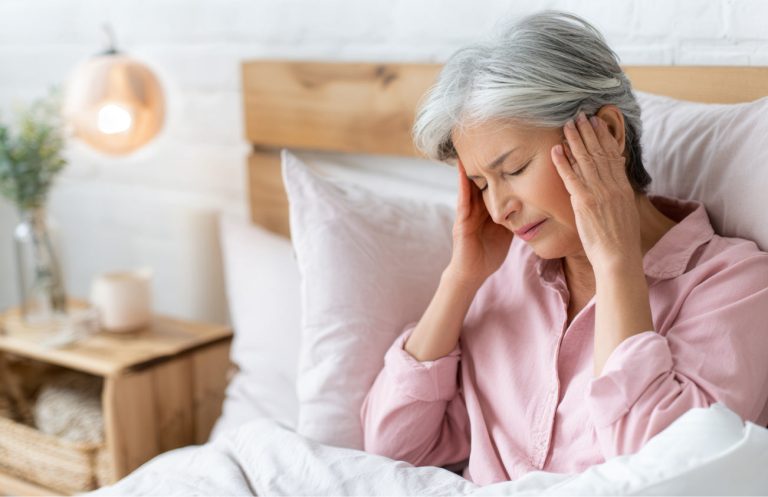
Migraine is one of the most common neurological conditions worldwide and affects women around three times more often than men....

By Dr Kelly Teagle
14 Jul 2026
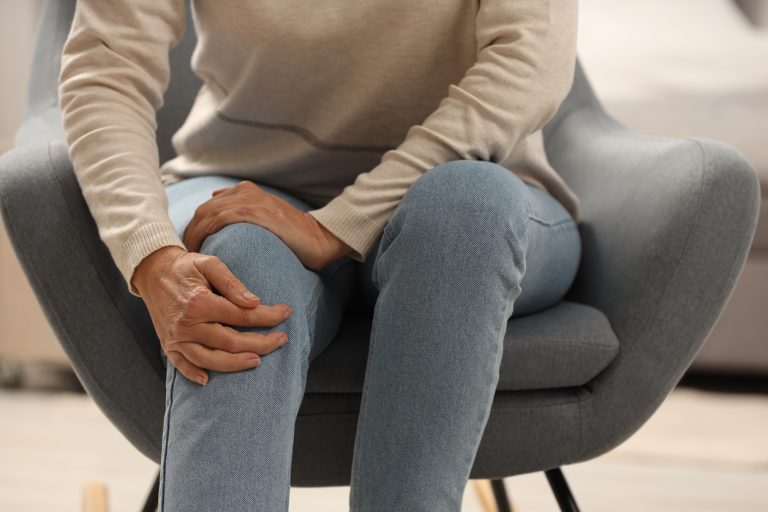
For many women in menopause or perimenopause, joint pain can appear seemingly out of nowhere. You may find yourself sore...
By Dr Kelly Teagle
20 May 2026
SUBSCRIBE TO OUR NEWSLETTER
Get the latest in menopause care, expert advice and women's health updates straight to your inbox
Read our latest blogs Trusted by women across Australia, WellFemme delivers personalised menopause care, expert advice and compassionate support, all from the comfort of home.