Posted on 20 May 2026
Dr Kelly Teagle
For many women in menopause or perimenopause, joint pain can appear seemingly out of nowhere.
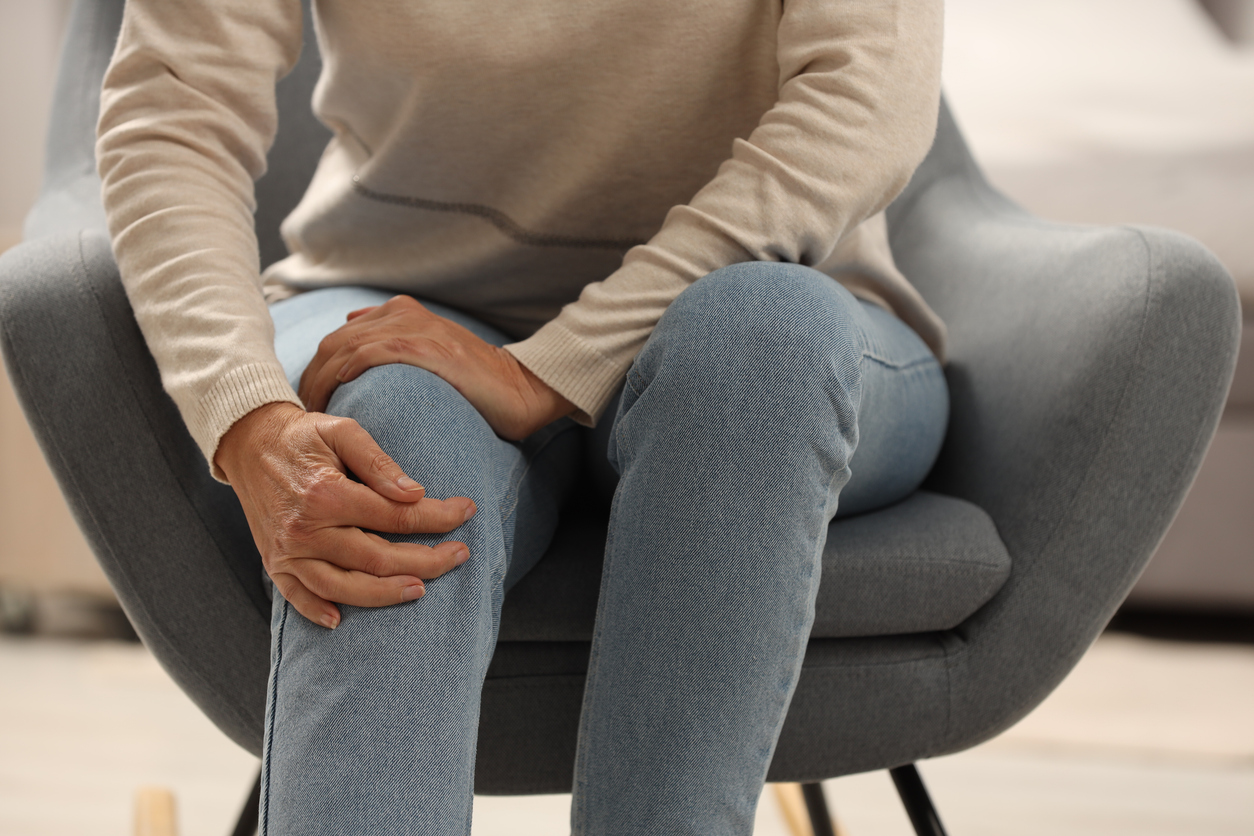
You may find yourself sore or achy in places that never bothered you before. Knees may hurt going up stairs, fingers can feel stiff in the morning, or hips and shoulders may ache after sitting for too long. Because these symptoms often develop gradually, many women don’t immediately connect them to hormonal changes. Instead, they may wonder if it’s part of the “wear and tear” of aging, exercising incorrectly, or developing arthritis.
But hormonal fluctuations, particularly declining estrogen levels, can have a significant impact on joint health, inflammation and the way the body experiences pain.
What Does Menopausal Joint Pain Feel Like?
It can show up in different ways for different women. Some experience dull aches, while others notice stiffness, tenderness or inflammation.
Common symptoms include:

Aching joints
Morning stiffness
Soreness after inactivity
Swelling or tenderness
Clicking or creaking joints
Pain that seems to move around the body
The most commonly affected areas include:
Knees
Hips
Hands and fingers
Shoulders
Lower back
Feet
For some women, the discomfort is mild and occasional. For others, it can impact exercise, sleep, work and overall quality of life.
Why Does Menopause Cause Joint Pain?
One of the biggest reasons is the decline in estrogen. Estrogen does far more than regulate reproductive health, it also helps support:
Joint lubrication
Collagen production
Muscle mass
Bone strength
Inflammation control
As hormone levels fluctuate and decline during perimenopause and menopause, inflammation can increase and tissues around the joints may become less supported. At the same time, many women also experience:
Loss of muscle mass
Reduced bone density
Poor sleep
Increased stress
Fatigue
Weight changes
When Does Joint Pain Start?
Joint pain can begin during perimenopause, often years before periods stop completely. Because symptoms can fluctuate with hormone changes, many women notice:
Some weeks are worse than others
Pain increases around their cycle
Symptoms appear alongside hot flushes, brain fog or fatigue
The challenge is that joint pain is not always immediately recognised as a hormonal symptom. Many women assume they are simply “getting older” or that they have injured themselves.
Signs Your Joint Pain Could Be Hormone-Related
Hormonal joint pain often appears alongside other symptoms of perimenopause or menopause. You may notice:
If several of these symptoms are happening together, hormones may be playing a role.
Could It Be Something Else?
While menopause can absolutely contribute to joint pain, persistent or severe symptoms should not automatically be dismissed as hormonal. Other conditions can sometimes mimic menopausal joint pain, including:
Osteoarthritis
Rheumatoid arthritis
Autoimmune conditions
Vitamin D deficiency
Thyroid disorders
Previous injuries
If pain is ongoing, worsening, swollen, or affecting daily function, it’s important to seek medical advice and proper assessment.
How to Support Your Joints During Menopause:
Strength Training
Building muscle helps support and protect joints while also improving bone density. Even simple resistance exercises performed consistently can make a significant difference.
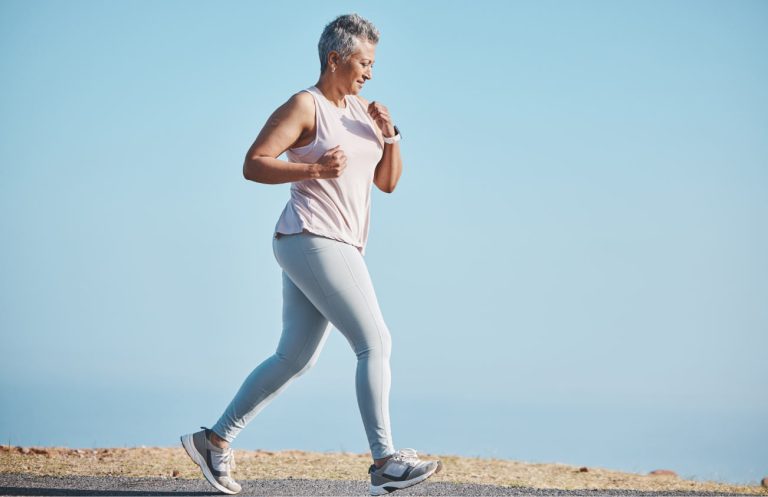
Gentle Movement
Staying mobile is important. Activities like the following can help reduce stiffness and improve function:
Walking
Pilates
Yoga
Swimming
Stretching
Mobility work
Nutrition
An anti-inflammatory diet, such as the Mediterranean diet, may help support overall joint health.
Focus on:
Protein-rich foods
Omega-3 fats
Colourful vegetables
Calcium-rich foods
Vitamin D intake
Sleep and Stress Support
Poor sleep and chronic stress can increase inflammation and pain sensitivity. Prioritising rest, recovery and stress management can play an important role in symptom management.
Can Hormone Therapy Help?
Some women notice significant improvement in joint pain after starting menopausal hormone therapy (MHT).
Research suggests that estrogen may help reduce inflammation and support joint tissues in some women. However, treatment is highly individual, and your doctor can help assess whether hormone therapy or other treatment approaches may be appropriate for your situation.
Simple Strategies for Everyday Relief
Small daily habits can also help ease discomfort:
Use heat packs or warm showers for stiffness
Wear supportive footwear
Avoid sitting for long periods
Adjust your workstation ergonomics
Pace activity during flare-ups
Prioritise recovery after exercise
Joint pain, stiffness and reduced mobility can be a common part of the menopausal transition due to the hormonal and physical changes occurring within the body.
While these symptoms can significantly impact quality of life, they should not simply be accepted as an inevitable part of aging. See your doctor for appropriate assessment and treatment approaches to help support your joint health and improve your long-term overall function and comfort.
If you need to discuss your symptoms, you can book an appointment HERE.