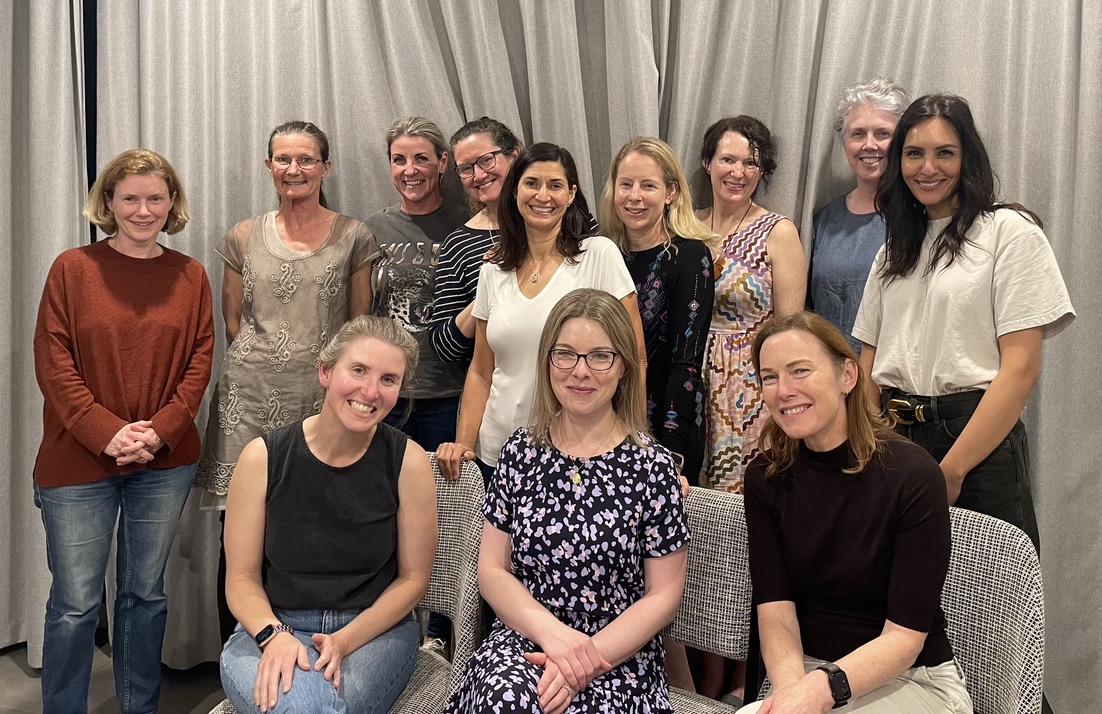
Our WellFemme doctors attended the huge 2024 International Menopause Congress in Melbourne. It was a chance to recap on the latest evidence about best practice in menopause care, and they’ve brought back their key learning points to share with you!
Sleep problems around menopause- Dr Lynda Newman
Dr Lynda Newman
Dr Kerri Melehan delivered an interesting lecture on sleep. Sleep is important for so many things, and we feel terrible when we are sleep deprived. Sleep disturbance is made worse in perimenopause and menopause, and this can be corrected to some extent by treating the hot flushes, sleep apnoea and restless legs that may be affecting women at this time. However sleep disturbance exists no matter what age and stage of life you are at.
Her main messages were

In many cultures people accept that you wake up in the middle of the night and cannot get back to sleep. People get up, make a cup of tea, have a chat to each other and then when tired go back to bed. This is referred to as “first sleep” and then after the wakeful period “second sleep”.
Her sleep unit does not use medication for sleep. They think that cognitive behavioural therapy by a sleep psychologist is best. Since this is difficult (and expensive) to access, then their second choice is https://thiswayup.org.au/programs/insomnia-program/
Other suggested online CBTi options are:

RESTORE CBT
US Dept of Veteran’s affairs CBT-I Coach
She also said “the worst thing you can do to fix poor sleep is worry about it”. Somehow I do not think it is as simple as that for all women!
Brain Fog- Dr Alice Webb
Dr Alice Webb
This was a fabulous presentation by Dr Pauline Maki. It is wonderful to see that lots of research is happening in an area that impacts on so many of our patients.
The main changes that occur are verbal learning and memory changes.
The good news is that for most women, the brain adapts to reduced estrogen levels, regardless of treatment. However, there is no reliable evidence that it gets better for all women.
Vasomotor symptoms(hot flushes) and poor sleep affect memory and brain function.
Treatments that improve vasomotor symptoms, sleep and mood may also improve brain fog.
Healthy lifestyle has a positive impact on brain function: exercise, nutrition, not smoking, connection with others and exercising our brains!
Here is an IMS factsheet on brain fog
Depression in Perimenopause and Menopause- Dr Sanjeet Hyare
Critical healthy aging information- Dr Victoria Beyer
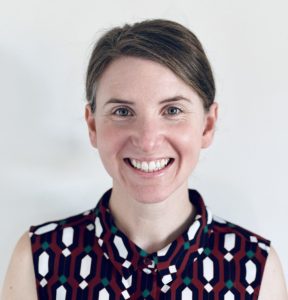
Dr Victoria Beyer
We watched a great presentation by Robin Daly, Professor of Exercise and Ageing at Deakin University, giving an evidence based rundown of the benefits of staying fit and strong throughout menopause and beyond.
The most useful take home messages:
- The fitter you are in midlife, the longer you are likely to live, regardless of your BMI.
- Higher levels of fitness are associated with an 88% decrease in dementia risk compared to moderate levels of fitness in women.
- Improving muscle mass, size and power are extremely important factors in preventing chronic disease.
- To preserve and build muscle, you need to be lifting weights and it needs to be challenging!
- Short bouts of exercise are effective for improving fitness: at least 10 minutes of exercise at a time, totalling at least 225 minutes per week.
- Weight bearing exercise for bone density needs to be progressive, challenging and targeting the areas of concern.
- A 2% increase in hip or spine bone density translates to a 28% reduction in spine fracture risk and a 20% reduction in hip fracture risk.
- A combination of aerobic, resistance and impact training as well as calorie restriction + extra protein if needed is the best recipe for fitness and strength in midlife and beyond!
Bone Health and Osteoporosis Management- Dr Kath Turner
During menopause transition, women experience a rapid loss of bone density, especially in the first few years. This is due to reduced estrogen levels, which results in increased bone turnover and makes bones more prone to fractures.
Menopause Hormone Therapy (MHT) including estrogen, can prevent bone loss at sites like the spine and hips. Early treatment, ideally within the first year, offers greater benefits in preventing fractures. Estradiol is more effective than conjugated equine estrogens (CEE), and stopping estrogen doesn’t cause rebound bone loss, unlike some other treatments.
KEY LIFESTYLE FACTORS:
- Dietary – optimal calcium and vitamin D intake
- Exercise – weightbearing and progressive resistive
- Maintain healthy BMI
- Reduce Alcohol intake
- Smoking cessation
THERAPEUTIC AGENTS:
Medications fall into two categories:
- Anti-resorptive (e.g., Bisphosphonates, Denosumab) that slow bone loss.
- Anabolic (e.g., Teriparatide, Romosozumab) that stimulate bone formation, often used in high-risk cases.
Treatment strategies depend on age. Starting treatment early, such as with MHT or bisphosphonates, can improve long-term bone health. In some cases, combining medications can offer even greater benefits. Regular monitoring and tailored approaches are key to effective osteoporosis management.

Hot flushes, or something else? – Dr Helen Demetriou
Dr Helen Demetriou
Classic hot flushes are generated from the central nervous system, which also controls blood flow and sweat glands. Those associated with sweating are called ‘wet flushes’, and those that aren’t are known as ‘dry flushes’.
If you’ve not recognised or experienced them before, they can be felt as an intense heat sensation, profuse drenching sweats, or flushing of the chest, head, and neck. Flushes are often followed by chills, palpitations and a sense of anxiety
There are a lot of things besides hot flushes that can cause sensations of heat and sweating. Here’s just a few!
- Rosacea
- Medications
- Alcohol (generally around 15 minutes after drinking, lasting around 3 mins)
- Serotonin syndrome
- Hyperthyroidism
- Dumping syndrome
- Allergy, anaphylaxis
- Sarcoidosis
- Carcinoid
- Systemic mastocytosis
- Phaeochromocytoma
- Medullary thyroid cancer
- VIPoma
- Renal cell carcinoma
Common medications that cause flushing and sweats include:
- Opioids
- SSRI antidepressants
- Ca channel blockers (to treat high blood pressure)
- Metoclopramide
- Nicotinic acid
What is WellFemme About?
If you can’t find the professional help you need for your menopause or perimenopausal symptoms then book a Telehealth consultation with an expert WellFemme menopause doctor.
WellFemme is Australia’s first dedicated Telehealth menopause clinic, servicing locations nationwide including: Melbourne, Sydney, Adelaide, Darwin, Perth, Hobart, Brisbane, Dubbo, Bendigo, Broken Hill, Broome, Alice Springs, Launceston, Cairns, Mildura, Lightning Ridge, Kalgoorlie, Albany, Toowoomba, Charleville, Port Headland, Katherine, Ballarat, Coober Pedy, Bourke, Albury… and your place!