Our doctors’ top tips and take-home messages from Australia’s premier Menopause conference.
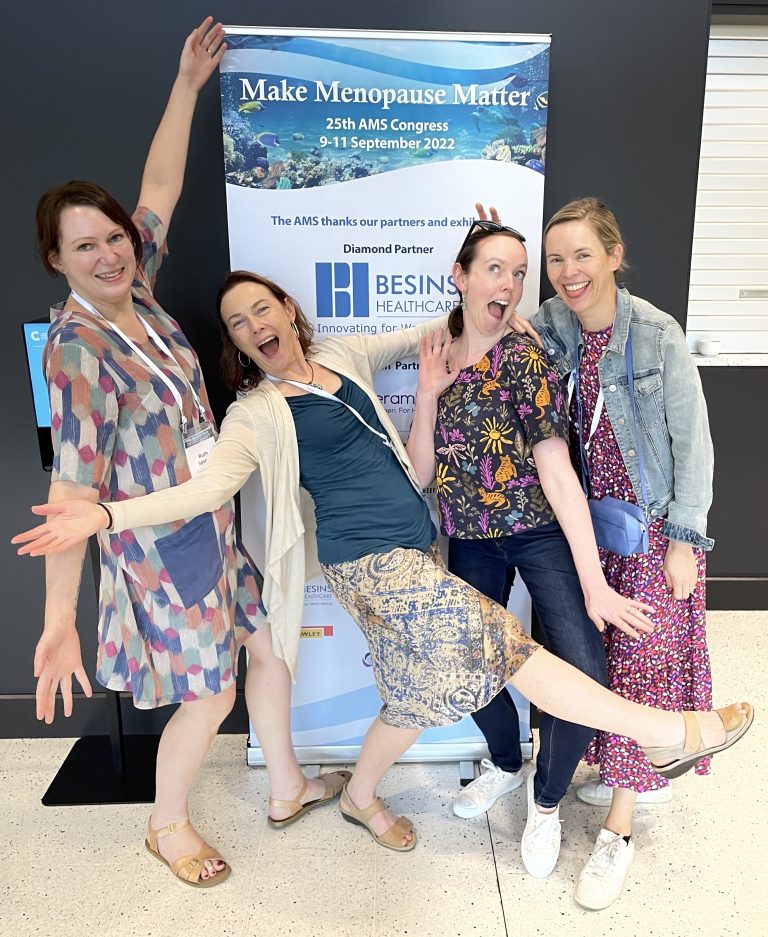
The 25th annual Congress of the
Australasian Menopause Society (AMS) was held in sunny, steamy Cairns. It featured clinicians and researchers from a wide range of menopause related fields: brain, bone and heart health, sexual health, mental health, workplace analysts, and of course experts in menopausal medicine.
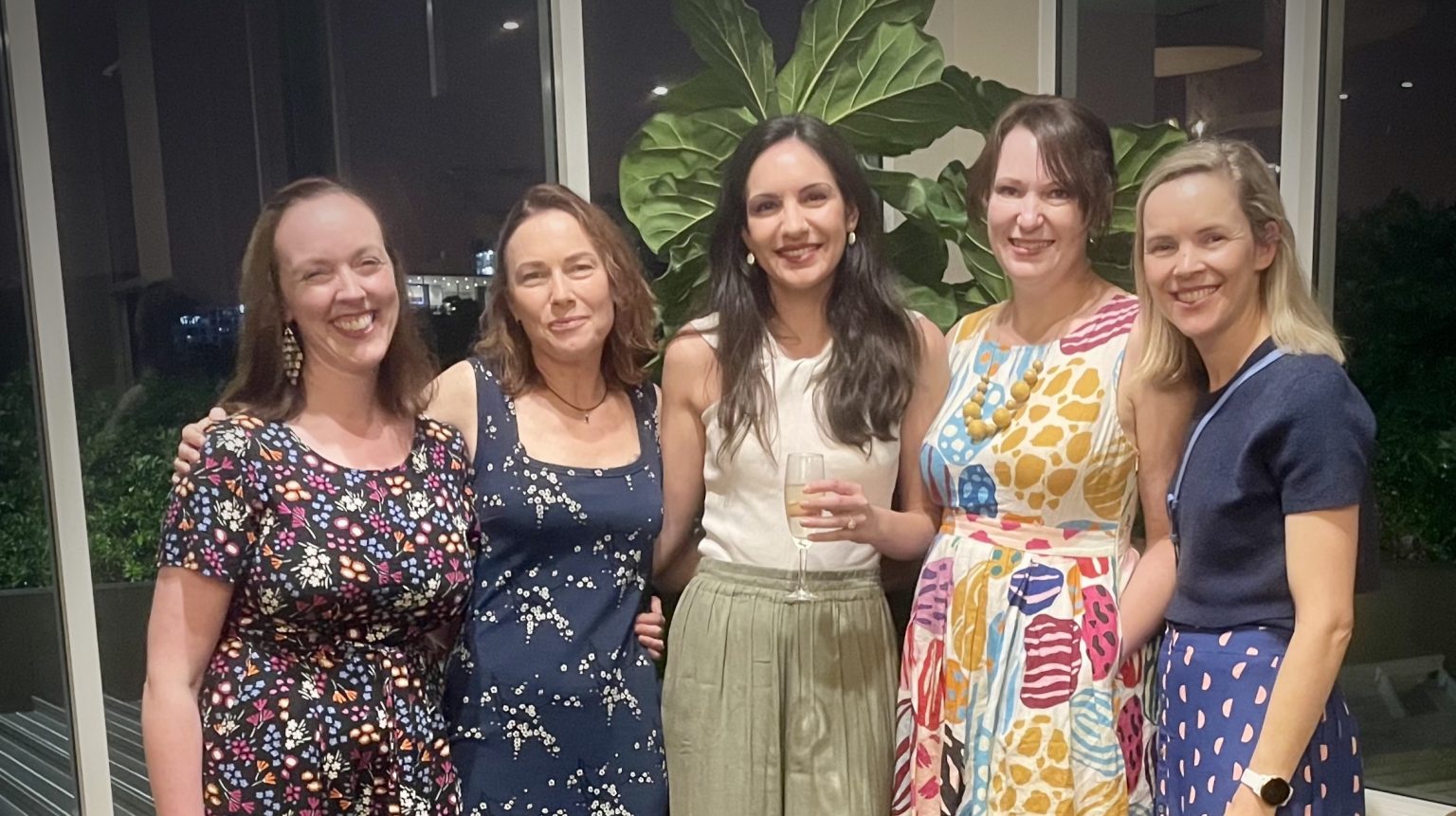
WellFemme’s doctors are proud members of the AMS, and continually strive to update their knowledge about the menopausal transition. They attended the Congress in person and online, gaining many new pearls of wisdom over the three days.
Dr Alice Webb- Hormones and the Brain
“Menopausal hormonal therapy has been shown in some studies to reduce Alzheimer’s risk by up to 33% in some studies (more research is needed to confirm this however).
Hormones are the tipping factor for depression in middle life [for some women], with brain changes happening 5 years before hot flushes. Psychotherapy supports but does not treat menopausal associated depression.”
Dr Rebecca Cece- Menopausal Depression/ Breast Cancer Risk with MHT
“…suicide rates for women are highest in 45-64 age group, second only to men at younger age groups. Depressive symptoms in menopausal women include irritability, disconnection, poor sleep, decrease in self-esteem, weight gain, decrease in memory, lack of libido and low mood.
Treatments for depression in menopause include antidepressants like escitalopram however some psychiatrists suggest that MHT (Menopausal Hormone Therapy) may be effective as a first line therapy for depressive symptoms in menopause.”
Rebecca also noted that
breast cancer risk with MHT is less than most people think: “There is often a lot of concern around the risk of breast cancer with MHT use for GPs and patients… In the general population 23 per 1000 women over five years will develop breast cancer. This is in comparison to 27 per 1000 over five years in women who use combined HRT.
The risk of breast cancer is not as significant as some may believe.”
Dr Niamh Leonard- Considerations when Stopping Hormone Therapy
“A 2015 study showed an increase in cardiovascular events [eg. heart attacks and strokes] in the first year after stopping MHT (Menopausal Hormone Therapy). If this is accurate, women really need to optimise their heart disease risk factors when considering stopping hormone treatment.
We also need to remember that bone density drops after stopping MHT, because:

One in three women will get an osteoporotic fracture during their lifetime,
One in six will have a hip fracture, and
24% of women over 50 die within 12 months of a hip fracture!”
Dr Lynda Newman- MHT is Protective Against Cardiovascular Disease
“Cardiovascular diseases (including heart attacks and strokes) kill one third of women and breast cancer kills 4% of women. We should be much more worried about cardiovascular disease than breast cancer. A trial looked starting MHT within 6 years of menopause or after 10 years of menopause. The women who started within 6 years had a 30-40% reduction in development of atherosclerosis (the main cause of narrowed arteries and then heart disease) compared to the control group who did not have hormone therapy. There was no effect in women who started hormone therapy at greater than 10 years after menopause. This supports what we call “the timing hypothesis” ie that hormone therapy has to be started in a certain time frame for cardiovascular benefit. However, just to put in a plug for my whole health approach to menopause, NOTHING comes close to the benefit of a healthy diet, normal weight and an exercise regime to decrease the risk of heart disease.”
Dr Megan Young- Key Learning Points
“Throughout the conference we heard that transdermal estrogen is very low risk for most women, with just a few exceptions.
Doctors are potentially missing STI’s (sexually transmitted infections) in patients in their 40’s and 50’s by not taking a sexual history or testing for them; and
Dry mouth is an under-recognised symptom of menopause.”
Dr Anna Alderton- Management of Bladder Issues
“Timed urinary voiding (ie. voiding 3 hourly on the clock, whether you feel like passing urine or not) can reduce urinary incontinence at peri/menopause by 70%. You do this during day the daytime only, eg. 6am, 9am, 12pm, 3pm, 6pm, 9pm. This helps to reset the bladder’s “pacemaker” (a new concept: that the bladder has it’s own pacemaker like the heart).
When we are born the bladder’s pacemaker works beautifully- our bladders fill and empty, fill and empty. As we age and lifestyle habits, and “over-riding” our natural pacemaker comes in, this pacemaker gets disrupted and can contribute to incontinence. Timed voiding can help to re-set this natural pacemaker and improve the incontinence.”
Dr Marita Long- Menopause in the Workplace:
“I think we need to raise the importance of workplace issues and the “gendered ageism“ women face around the time of menopause.
The presenter also highly recommended
Michelle Obama’s podcast discussing menopause in the workplace (ie. The White House).
Drs Katie Kent and Ruth Spencer- The Daily Checklist
The list of potentially beneficial daily interventions for menopausal women was starting to look very long by the end of Congress!
ginseng supplement
para-probiotic
yoga 75mins, 3x/week
Muscle resistance training 3x/ week
vitamin D supplement
eat chocolate (dark chocolate, in small amounts)
30mins+ exercise
Safe vitamin D exposure
10-20 mins of mindfulness
Pelvic floor exercises, and
Masturbation (yes, you read that correctly. The love muscles also require regular exercise!)
This leads us finally into…
Dr Kelly’s Teagle’s favourite Congress quotes
From notable Sexologist (and HIGHLY entertaining speaker) Dr Margaret Redelman OAM:
“Masturbation is the best thing since sliced bread!” [leading into a discussion about regularly visiting with your genitals and exercising the love muscles to improve sex].
Margaret also talked about how couples often become locked into a “sexual script”, and the importance of mixing things up a bit in the bedroom (or other rooms, for a change). “You might love cherry strudel, but sometimes you might want cheesecake.”
She also compared men’s and women’s arousal to cooking a roast chook: “The woman is like a frozen chook; it takes a long time to warm up and cook when you stick it in the oven. The man starts out as a thawed chook, so by the time she’s finally cooked he’s charcoal!”
We loved her SO much!
What is WellFemme About?
If you can’t find the professional help you need for your menopause or perimenopausal symptoms then book a Telehealth consultation with an expert WellFemme menopause doctor.
WellFemme is Australia’s first dedicated Telehealth menopause clinic, servicing locations nationwide including: Melbourne, Sydney, Adelaide, Darwin, Perth, Hobart, Brisbane, Dubbo, Bendigo, Broken Hill, Broome, Alice Springs, Launceston, Cairns, Mildura, Lightning Ridge, Kalgoorlie, Albany, Toowoomba, Charleville, Port Headland, Katherine, Ballarat, Coober Pedy, Bourke, Albury… and your place!