


Breast Pain & Tenderness
If you’ve noticed new or worsening allergies since menopause, you’re not alone. Many women find they become more sensitive to foods, fragrances, or environmental triggers during this time. While this can be surprising, these reactions are often linked to hormonal changes that influence how the body processes histamine.
Allergies after menopause may feel more intense or appear without warning, but understanding why they happen can help you find effective ways to manage them.
Free AssessmentWhy menopause can trigger allergies
During menopause, fluctuating levels of estrogen and progesterone can affect your immune and inflammatory responses. Estrogen in particular plays a role in how your body produces and breaks down histamine, the chemical responsible for many allergy symptoms such as flushing, itching, sneezing, and congestion.
When estrogen levels rise and fall unpredictably, histamine production can increase, while the enzymes that break it down become less effective. This can create an imbalance that leads to symptoms like skin irritation, nasal congestion, headaches, or digestive upset.
Some women also experience what’s known as histamine intolerance. This occurs when histamine builds up faster than the body can clear it, leading to allergy-like symptoms even in the absence of a specific allergen. Common triggers include alcohol, fermented foods, aged cheese, and stress.
What allergy symptoms can look like
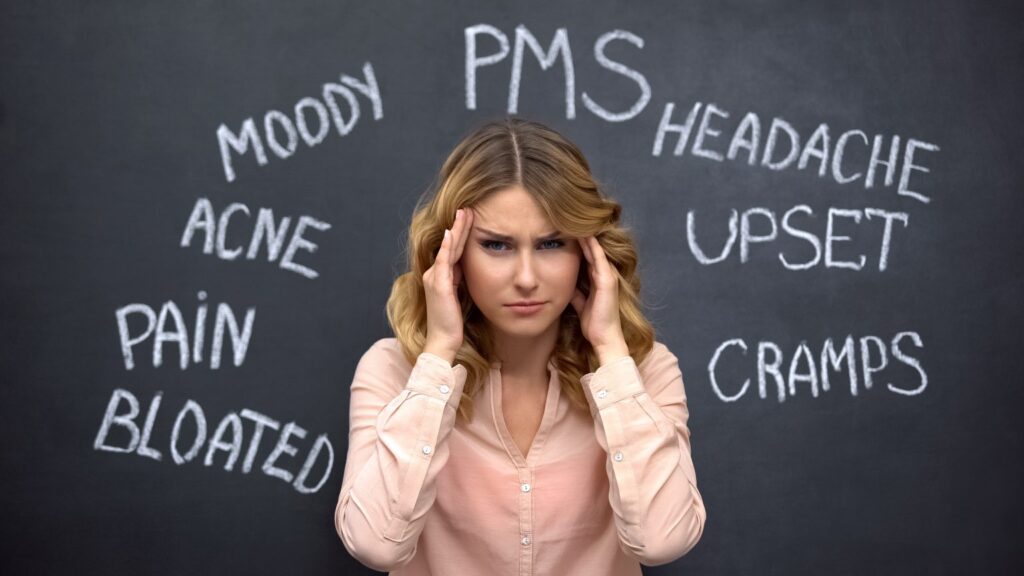
Menopause-related allergies can affect several systems in the body. Some women notice more frequent sneezing, blocked sinuses, or skin reactions such as hives or eczema. Others experience digestive discomfort like bloating or nausea, or neurological symptoms such as headaches, brain fog, or fatigue.
These symptoms are often most noticeable during perimenopause when hormones fluctuate the most, but they can continue for a time after menopause before settling down.
Managing allergy symptoms
Lifestyle and dietary changes can make a real difference. A balanced diet rich in fresh, unprocessed foods supports the body’s ability to metabolise histamine effectively. Reducing or avoiding alcohol, caffeine, and fermented or aged foods may also help if your symptoms are linked to histamine sensitivity.
Staying hydrated, managing stress, and maintaining regular exercise can support circulation and immune balance, which may reduce the intensity of allergic reactions. Some women find gentle movement such as yoga or walking helpful in easing both physical and emotional tension.
If allergies are new or worsening, keeping a symptom diary can help identify potential triggers and patterns. Over-the-counter antihistamines can relieve mild symptoms, but persistent or severe reactions should always be discussed with your doctor.
The role of hormone therapy
Menopausal Hormone Therapy (MHT) may help stabilise hormonal fluctuations that contribute to histamine imbalance. However, estrogen-based treatments can occasionally increase sensitivity in some women, particularly in the early stages of therapy. In these cases, progesterone or testosterone-based options may provide better results.
Your WellFemme clinician can help determine whether MHT is suitable for you and guide you through a gradual, tailored approach if treatment is recommended.
Book an AppointmentSupport from WellFemme
At WellFemme, our menopause doctors understand the complex relationship between hormones, the immune system, and allergic responses. Through a personalised Telehealth consultation, your clinician can help identify what’s driving your symptoms and develop a plan to manage them safely and effectively.
If you’re noticing new allergies or sensitivities during menopause, book a Telehealth consultation with a WellFemme menopause doctor for practical guidance and evidence-based care designed around your needs.
Book an Appointment