Anxiety in Perimenopause
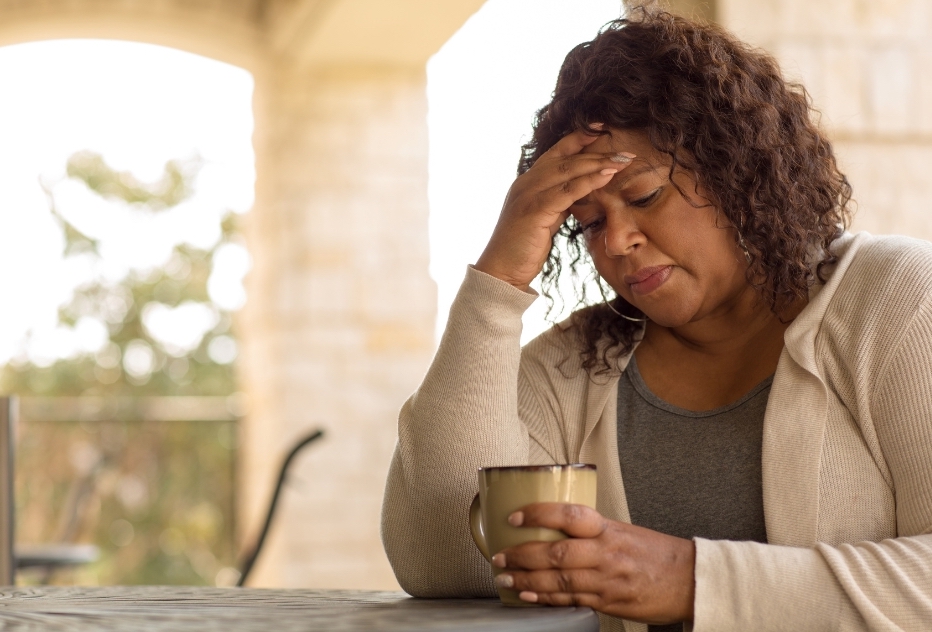
It’s common to notice an increase in anxiety or worry during perimenopause. Hormonal fluctuations, life changes, and physical symptoms can all combine to heighten stress and make it harder to stay calm or sleep well. The good news is that perimenopausal anxiety can often be managed successfully, and with the right support, many women find ways to feel calmer and more in control.
Free AssessmentWhy Anxiety Increases Around Perimenopause
As estrogen and progesterone levels begin to fluctuate, these hormones can affect brain chemicals that influence mood and emotional regulation. At the same time, many women experience significant life pressures in their 40s and 50s, such as caring for children or ageing parents, managing demanding careers, or navigating changes in relationships and health. These combined factors can amplify anxious thoughts and feelings.
Common symptoms of anxiety during perimenopause may include:
- Feeling nervous, restless, or easily overwhelmed
- Difficulty relaxing or quieting the mind
- Trouble sleeping or staying asleep
- Racing thoughts or difficulty concentrating
- Tense muscles, sweating, or heart palpitations
- Feeling irritable or on edge
Some women may also experience panic attacks, which can involve dizziness, a rapid heartbeat, or shortness of breath.
Contributing Factors
Hormonal changes are not the only cause of anxiety. Other factors that may contribute include:
-
- A history of anxiety or depression
- Major life transitions or relationship stress
- Caring responsibilities or work-related pressure
- Poor sleep and physical exhaustion
- Caffeine, alcohol, or nicotine use
- Lack of time for self-care and rest
Recognising these triggers can be the first step in managing anxiety more effectively.


Treatment and Support Options
Managing anxiety during perimenopause requires a holistic approach. Addressing both hormonal and emotional health can make a big difference.
Your treatment plan might include:
- Counselling or psychological therapy to develop coping strategies and reduce negative thought patterns
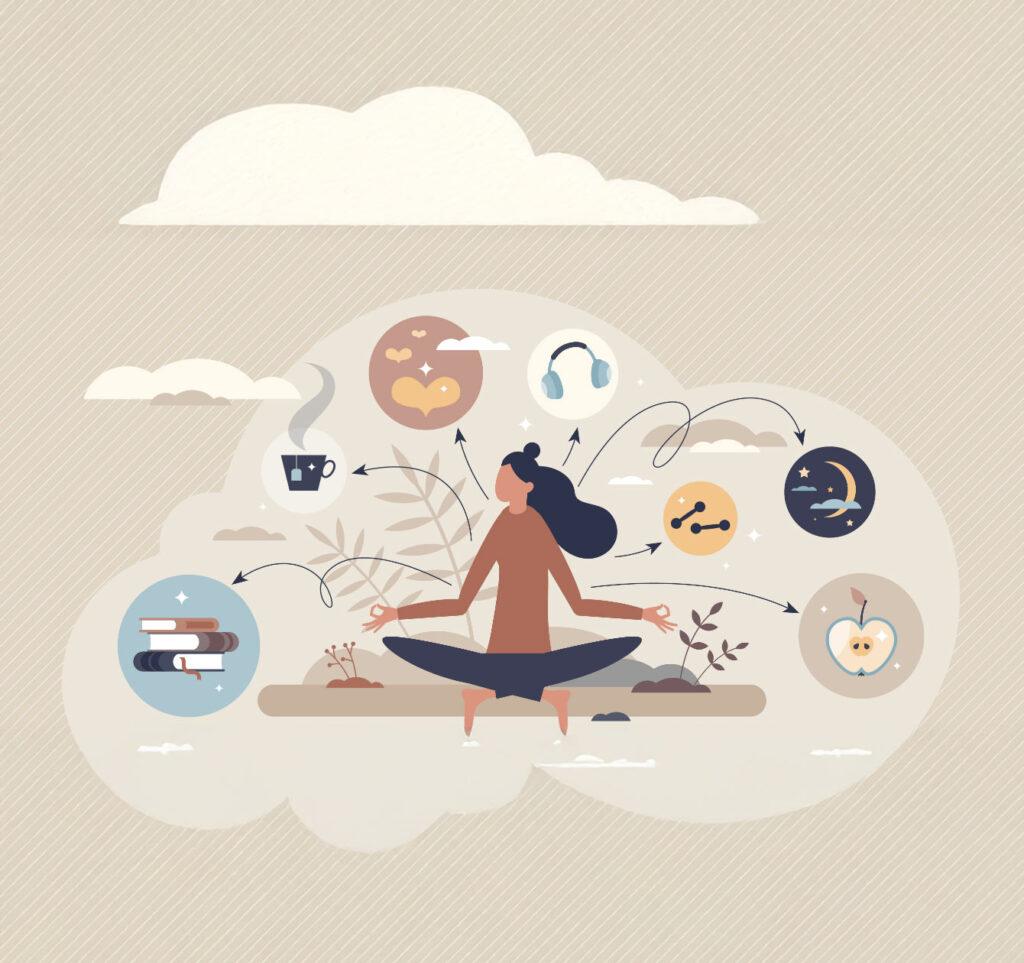
- Mindfulness, meditation, or relaxation techniques to calm the nervous system
- Regular exercise to support mood-regulating brain chemicals and improve sleep
- Good sleep habits, including limiting caffeine and screen time before bed
- Balanced nutrition, with steady meals and reduced sugar and alcohol intake
- Hormonal or medical support, such as Menopausal Hormone Therapy (MHT) or antidepressant medication if needed
- Connection and community, such as support groups or speaking with trusted friends
Your WellFemme menopause doctor can help identify what is driving your symptoms and create a treatment plan that fits your needs.
Book an AppointmentWhen to Seek Help
If anxiety is affecting your ability to work, sleep, or enjoy daily life, it’s time to reach out for support. You don’t have to manage it on your own.
At WellFemme, our menopause doctors understand how hormonal changes can influence both your body and your emotions. They take the time to listen, explain what’s happening, and create a plan that addresses your unique needs. Whether you need practical strategies, lifestyle advice, or medical treatment, WellFemme provides care that is compassionate, evidence-based, and focused on helping you feel like yourself again.
It’s also important to talk with your usual doctor about how you’re feeling. Together, your GP and WellFemme clinician can work collaboratively to support your overall mental and physical health during this transition.
Book a Telehealth consultation today to speak with a WellFemme menopause doctor and take the first step toward feeling supported, understood, and more at ease.
Book an Appointment