Headaches
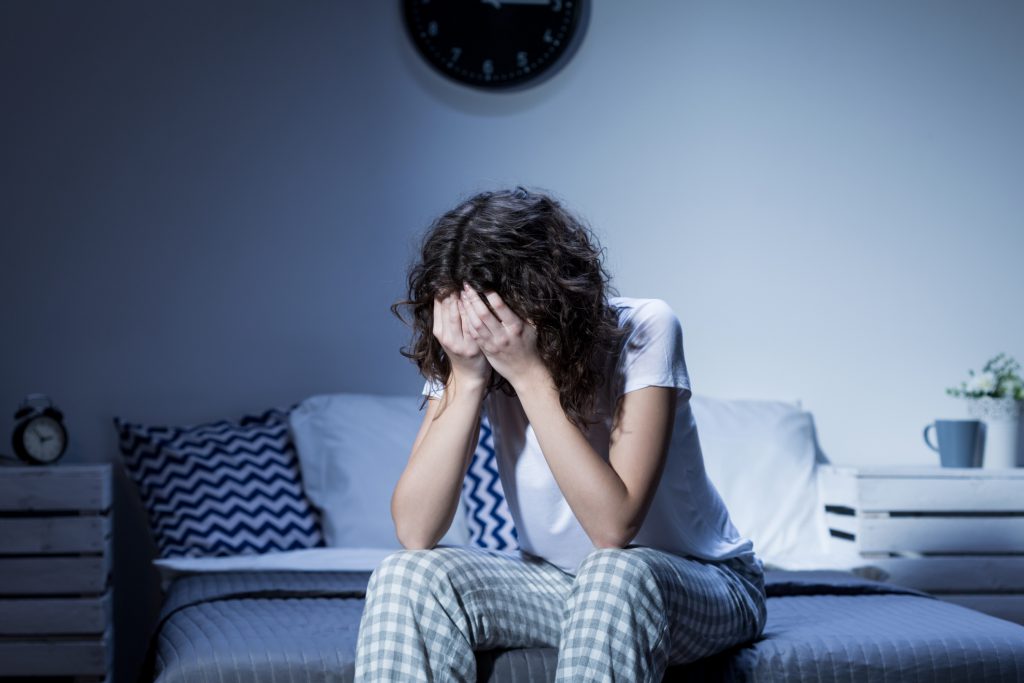
Headaches can become more frequent or feel different during perimenopause. Hormonal shifts, sleep disruption, and everyday stress can all play a role. Some women notice true migraines around their cycle, while others experience tension-type headaches that feel like a band of pressure. The aim is to identify your pattern and put a plan in place that reduces both frequency and impact.
Free AssessmentWhy do headaches increase around perimenopause?
As estrogen and progesterone fluctuate, the brain’s pain pathways and mood regulators can become more sensitive. A drop in estrogen just before a period is a well-known trigger for menstrual or hormonally related migraines. Other contributors include poor sleep, irregular meals, dehydration, stress, and certain medicines or foods that can act as triggers.
Common triggers to watch for:
- Skipped or delayed meals, dehydration, or high caffeine intake
- Alcohol, some processed foods, or strong smells
- Poor sleep and night sweats
- Stress and screen time late at night
- Changes in medicines, including some contraceptives or hormone therapy

Treatment and relief
Self-care strategies
- Keep regular meals and stay well hydrated
- Prioritise consistent sleep and a dark, cool bedroom
- Gentle daily movement or aerobic exercise to reduce frequency and intensity
- Limit caffeine and alcohol, especially later in the day
- Try relaxation practices such as breathing exercises, yoga, or mindfulness
- Use a supportive pillow and review workstation ergonomics to reduce neck strain
- Cool packs or warm showers can help, depending on what you find soothing
Medicines that may help
Your clinician may discuss:
- Simple pain relief or anti-inflammatories at the earliest sign of a headache
- Triptans for acute migraine relief when appropriate
- Preventive options if headaches are frequent, such as certain blood pressure medicines, antidepressants, or other migraine-specific preventives
- Hormonal approaches when a clear cycle link is present, including tailored menopausal hormone therapy or contraceptive strategies to smooth hormonal drops
- Supplements such as magnesium, riboflavin, or CoQ10 may be considered for some women
Always check medicine choices with your doctor, especially if you have migraine with aura, vascular risk factors, or you use other prescription medicines.
Book an AppointmentWhen to get medical advice
See your doctor if headaches are new, more frequent, or interfering with daily life, or if your usual treatments are not helping. Seek urgent care if you develop a sudden severe headache, a new headache after a head injury, or neurological symptoms that are unusual for you, such as weakness, difficulty speaking, vision loss, or confusion.
How WellFemme can help
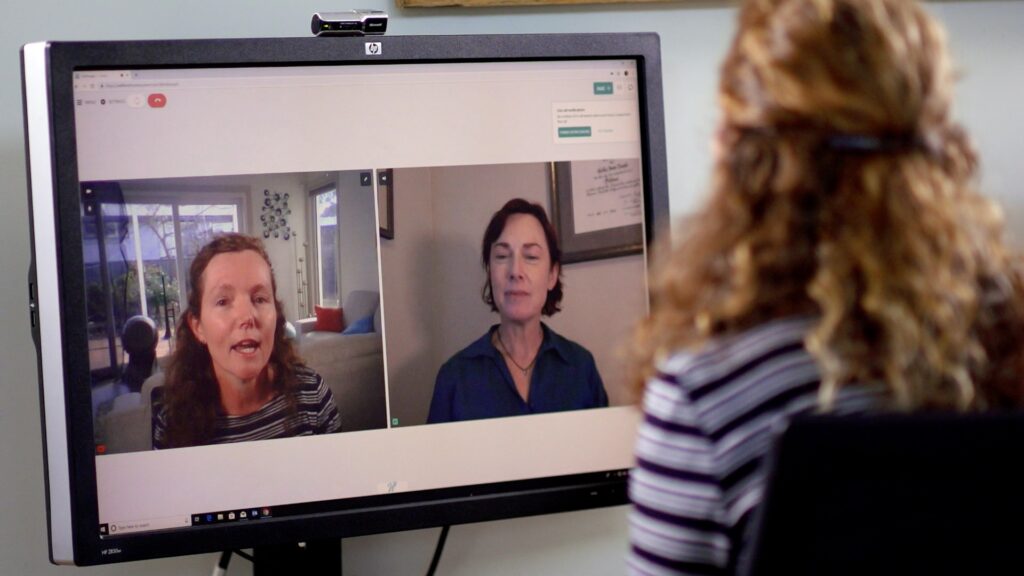
WellFemme clinicians understand the link between hormones, sleep, stress, and headache patterns in midlife. In a Telehealth consult, your doctor will:
- Review your symptom diary and possible triggers
- Check for red flags and advise on any tests if needed
- Tailor a step-by-step plan that may include lifestyle strategies, acute and preventive treatments, and hormone options when suitable
- Liaise with your regular GP so your care is coordinated and aligned with your overall health
If headaches are affecting your routine or quality of life, book a Telehealth consultation with a WellFemme menopause doctor to create a practical plan that fits you.
Book an Appointment