


Irregular Periods
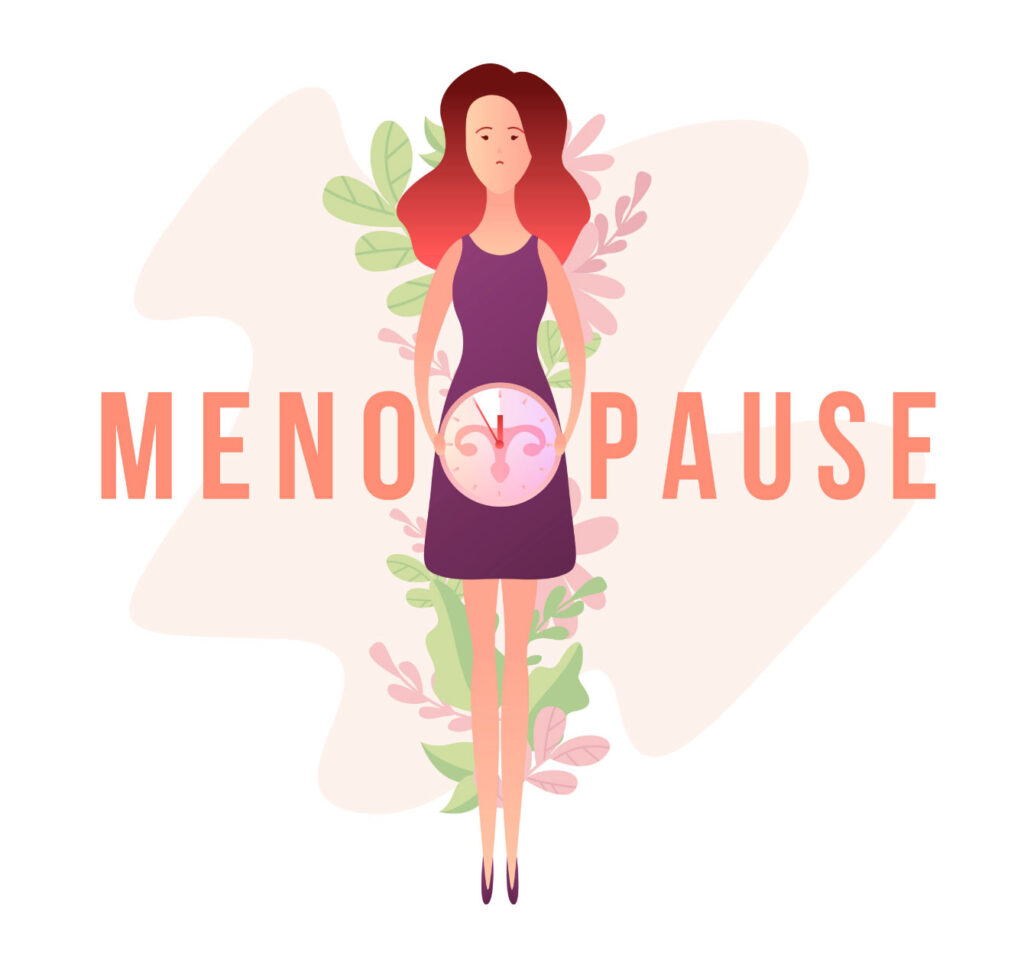
Irregular periods are one of the most common signs of perimenopause, the stage leading up to menopause when hormone levels begin to fluctuate. These hormonal shifts can affect how often you bleed, how long your period lasts, and how heavy the flow is.
For some women, cycles may shorten and occur closer together. For others, they may skip months entirely before returning. While this is often a normal part of perimenopause, it is still important to track your cycle and discuss any significant changes with your doctor.
Free AssessmentWhat Causes Irregular Periods?
During perimenopause, the ovaries gradually produce less estrogen and progesterone, which makes ovulation less predictable. This can result in lighter, heavier, longer, or shorter periods. Irregular cycles can also occur earlier in life at menarche, when periods first begin, or later during menopause.
Other possible causes of infrequent or irregular periods (oligomenorrhea) include:
- Polycystic ovarian syndrome (PCOS)
- Genetic or hormonal disorders, including diabetes or thyroid problems
- Cervical or uterine abnormalities
- Hormonal contraceptive use or withdrawal
- Eating disorders, excessive exercise, or being underweight
- Stress or psychological disturbance
- Certain medications
- Pregnancy
If your cycle length varies by more than seven days, you may be entering early perimenopause. If you go 60 days or more without a period, you are likely in late perimenopause.
If your period stops for a long time and then returns, it’s a good idea to check in with your doctor. Most of the time this is due to hormonal changes, but it’s always worth having a quick review to make sure everything is on track.
Free Assessment

Treatment Options
Treatment for irregular periods depends on the cause, your age, and your overall health. Your WellFemme menopause doctor may recommend:
- Tracking your cycle with a diary or period-tracking app to identify changes over time
- Lifestyle support, including improved sleep, stress management, and balanced nutrition
- Hormonal therapy, such as the pill, Mirena IUD, or menopausal hormone therapy (MHT)
- Non-hormonal medications, including NSAIDs or tranexamic acid, to manage pain or bleeding
Medical investigations such as blood tests, cervical screening, or ultrasound to rule out thyroid conditions, fibroids, or other causes if bleeding is persistent
When to Seek Help
Consult your doctor if you experience:
- Bleeding that lasts longer than usual or is unusually heavy
- Spotting between periods or after sex
- Cycles that are less than 21 days apart or absent for more than two months
- Severe pain, fatigue, or dizziness, which may suggest anemia
- Any bleeding after menopause
If you are unsure what is normal for you, book a Telehealth consultation with a WellFemme menopause doctor for an expert assessment and individualised care.
Book an Appointment