


Joint pain after menopause
Aches and stiffness in the joints are common after menopause, often appearing in the shoulders, knees, neck, or hands. For some women, this discomfort feels mild and temporary; for others, it can become a daily frustration that affects movement and quality of life.
Hormonal changes, particularly the decline in estrogen, play a key role in postmenopausal joint pain. Understanding why it happens and what can help makes it easier to find relief and protect long-term joint health.
Free AssessmentWhy joint pain increases after menopause
Estrogen helps reduce inflammation and supports the tissues that cushion your joints. When estrogen levels fall after menopause, this natural protection decreases, leading to stiffness, tenderness, or swelling in the joints.
Other factors can also contribute to postmenopausal joint pain, including:
- Reduced muscle mass and bone density
- Weight gain, which adds pressure to joints
- Lack of regular movement or stretching
- Poor posture or long periods of sitting
- Stress, which increases tension and pain perception
While these changes are common, joint pain isn’t something you simply have to put up with, there are effective ways to manage it.


Ways to relieve joint pain
A combination of movement, nutrition, and targeted treatment can make a big difference in reducing pain and improving flexibility.
- Stay active
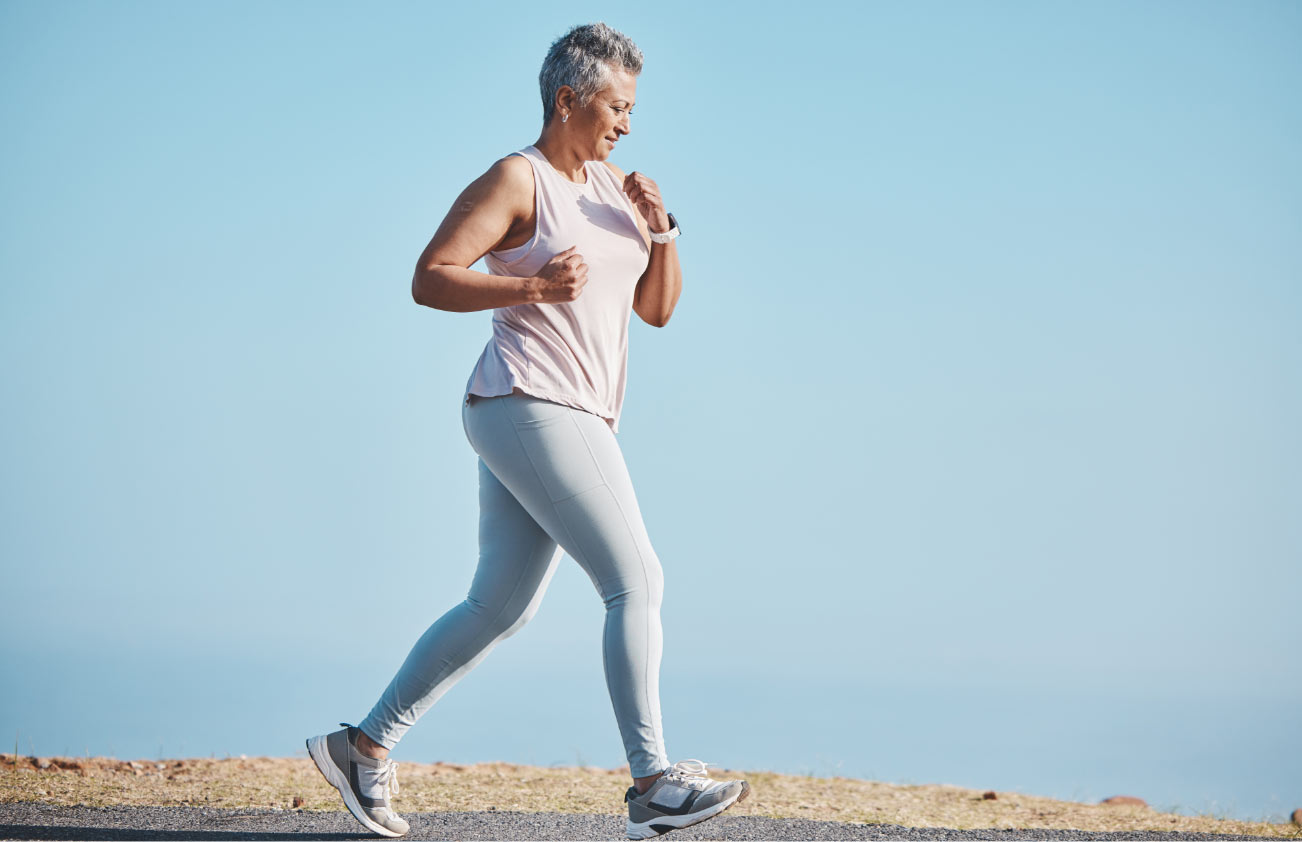
Regular low-impact exercise keeps joints mobile and strengthens surrounding muscles. Activities like walking, yoga, swimming, or cycling can ease stiffness without placing excess strain on the joints. - Maintain a healthy weight
Even small reductions in body weight can take pressure off the knees, hips, and back, helping to reduce pain and prevent further wear. - Focus on anti-inflammatory foods
A balanced diet rich in omega-3s, colourful vegetables, and whole grains can help lower inflammation. Staying hydrated and limiting alcohol, caffeine, and processed foods may also reduce symptoms. - Try relaxation techniques
Stress can heighten pain perception. Gentle practices such as mindfulness, deep breathing, or stretching before bed can help you unwind and lower muscle tension. - Consider supplements or medication
Your doctor might recommend vitamin D, calcium, or omega-3 supplements, or discuss whether Menopausal Hormone Therapy (MHT) could help ease symptoms linked to estrogen decline.
If you experience persistent or severe joint pain, it’s important to speak with your GP to rule out other causes such as osteoarthritis or inflammatory joint conditions.
Getting support through WellFemme
At WellFemme, our menopause doctors understand how joint pain can affect everyday life after menopause. Through a personalised Telehealth consultation, your clinician can help identify whether your symptoms are hormone-related and guide you through safe, evidence-based options to manage them.
If joint stiffness or soreness is affecting your comfort or mobility, book a Telehealth consultation with a WellFemme menopause doctor for expert advice and practical support tailored to your needs.
Book an Appointment