


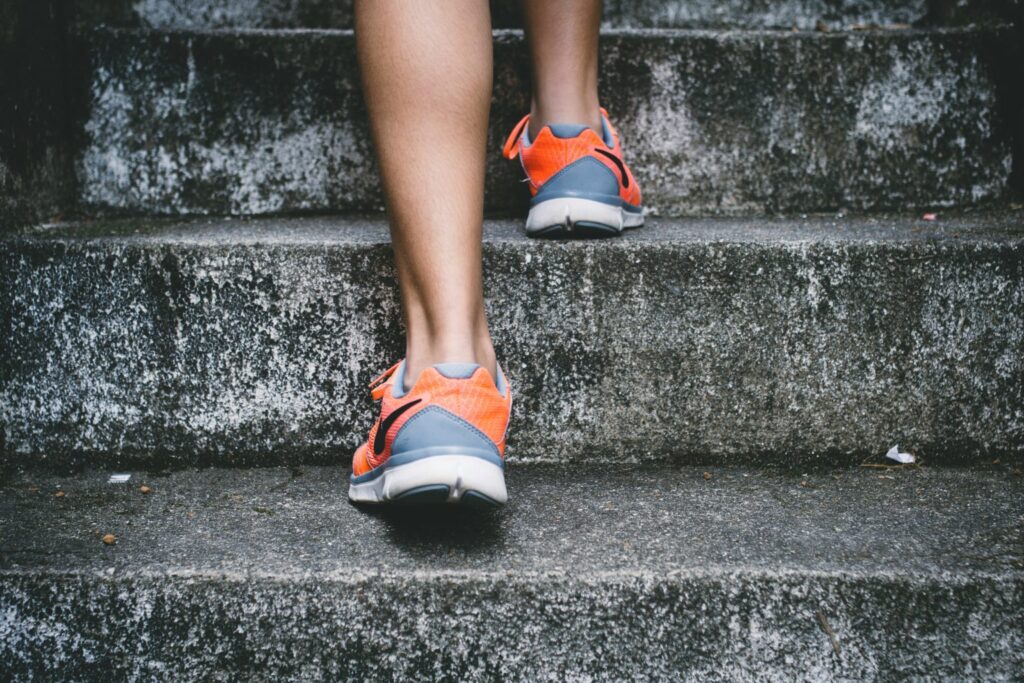
Muscle aches and pains during and after menopause
Many women notice more muscle soreness, stiffness, or general body aches around the time of menopause. These sensations may feel similar to post-exercise fatigue or tension that doesn’t fully ease with rest. For some, it’s occasional discomfort; for others, it becomes a more persistent symptom that affects energy, movement, or sleep.
Free AssessmentWhat causes muscle aches during menopause?
Falling estrogen levels play a major role. Estrogen helps protect the joints, muscles, and connective tissues that support the skeleton. When estrogen declines, these tissues can become less supple, leading to inflammation, stiffness, and discomfort.
In some cases, other factors can contribute, including:
- Reduced muscle mass and strength after menopause
- Poor posture or long hours sitting at a desk
- Stress or anxiety, which cause muscle tension
- Lack of regular stretching or exercise
- Conditions such as fibromyalgia or thyroid disorders
It’s important to note that persistent or severe pain doesn’t always stem from menopause alone. If aches are ongoing or accompanied by swelling, redness, or fatigue, talk to your doctor for assessment and further testing.

How to ease muscle aches and stiffness
A combination of gentle movement, self-care, and — when appropriate — medical treatment can help reduce muscle pain and restore comfort.
- Stay active
Light exercise like walking, yoga, swimming, or Pilates can improve flexibility and circulation while reducing inflammation and tension. Building muscle strength through light resistance or bodyweight training also supports joint health. - Stretch and adjust posture
Regular stretching, short movement breaks during work, and ergonomic adjustments to your workspace can all help ease stiffness caused by prolonged sitting. - Manage stress and improve sleep
Stress increases muscle tension, and poor sleep heightens pain sensitivity. Try mindfulness, relaxation breathing, or a warm evening shower to promote relaxation and better rest. - Support your body through nutrition
A balanced diet with adequate calcium, magnesium, and vitamin D helps maintain bone and muscle health. Staying hydrated and limiting caffeine and alcohol can also reduce muscle cramps. - Consider medical or therapeutic options
Over-the-counter pain relief, topical anti-inflammatory gels, or heat therapy can help with mild symptoms. For more persistent muscle pain linked to menopause, Menopausal Hormone Therapy (MHT) may improve comfort and reduce inflammation. A physiotherapist can also guide you through exercises that target specific areas of tension.
Personalised care with WellFemme
At WellFemme, our menopause doctors understand how hormonal changes can affect every part of the body, including your muscles and joints. Through a personalised Telehealth consultation, your clinician can help identify the cause of your aches and design a management plan that suits your lifestyle and health goals.
If muscle pain or stiffness is affecting your daily life, book a Telehealth consultation with a WellFemme menopause doctor for expert support and evidence-based advice to help you move and feel better.
Book an Appointment