



Postmenopause Symptoms
Menopause symptoms vary widely and can affect your body, mood, sleep, and relationships. Recognising them early can help you manage this phase more confidently. Click to learn more.

What's Happening to My Body?
Post-menopause marks a new phase where your body settles into life with lower, steady levels of estrogen and progesterone. These hormonal shifts can influence everything from temperature regulation and metabolism to mood and sleep. Many women notice lingering hot flushes, night sweats, or changes in energy levels, as the body adapts to its new hormonal baseline.
You may also experience changes in your skin, bones, and overall body composition. With less estrogen, bone density can gradually decrease, muscle mass may shift, and weight can redistribute—often settling more around the abdomen. Skin may feel drier or thinner, and hair can become finer. These changes are common and reflect the body’s natural adjustment to reduced hormonal support.
Another key area affected after menopause is vaginal and urinary health. Lower estrogen levels can lead to vaginal dryness, discomfort during sex, or more frequent urinary symptoms, a group of changes known as Genitourinary Syndrome of Menopause (GSM). While these symptoms are common, they are also highly manageable. Understanding what’s happening in your body during this time helps you make informed choices about lifestyle, treatments, and support, allowing you to feel more comfortable and confident in this next stage.
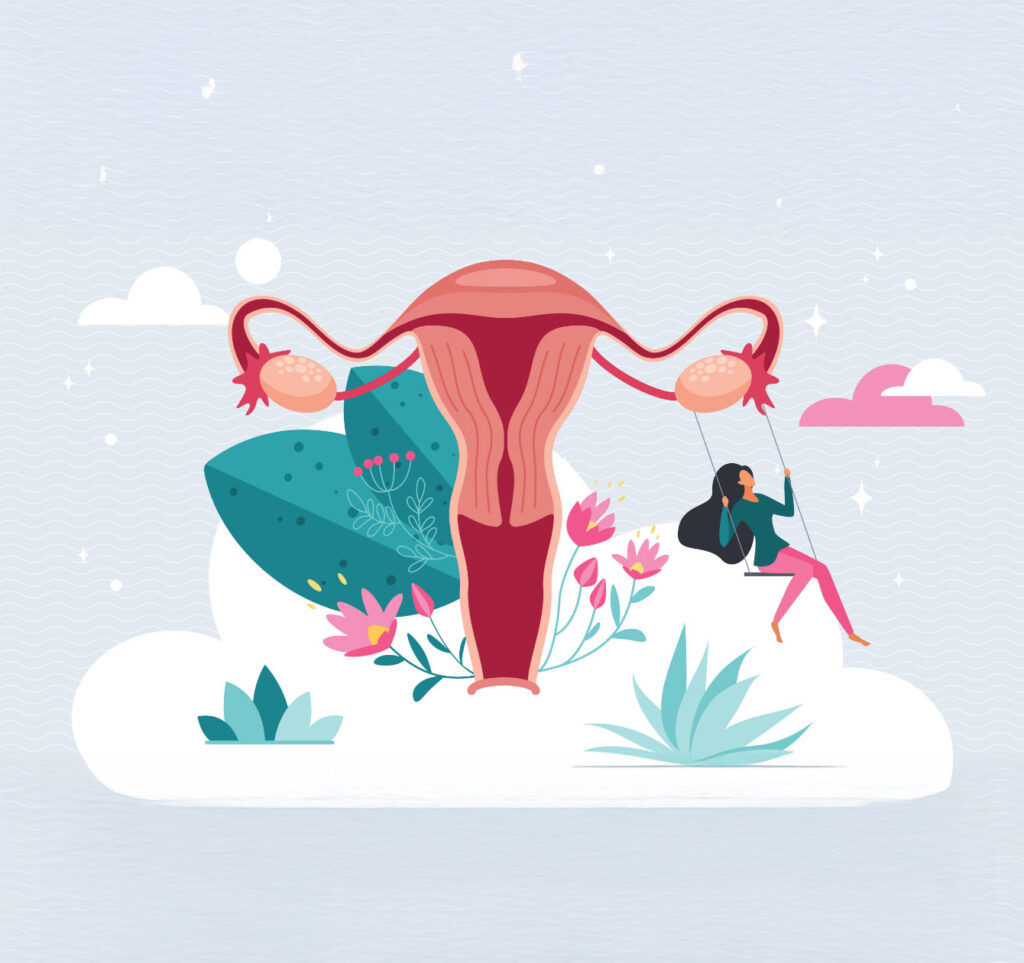
After menopause
All these conditions below are either highly preventable or treatable.

70%
Over 70% of women over age 60 have osteoporosis or osteopenia (data from Healthy Bones Australia)

30%
of Australian women have dementia by age 85, and 12% of women die from it

30%
Cardiovascular diseases including heart attacks and strokes cause around 30% of female deaths in Australia.

50%
Over 50% of Australian women aged 50+ have urinary or bladder issues, and over 50% have sexual or vulvovaginal issues.

When Should I Seek Help?
Anytime! It’s important to get the right advice for healthy ageing as soon as possible after menopause to prevent the longer term consequences.


FAQ's
Answers to common menopause questions, what’s normal, what’s not, and when to get support.
Some symptoms, such as hot flushes and night sweats, often ease over time, while others, including vaginal dryness, urinary symptoms like UTIs, and joint pain, may persist or worsen and need ongoing management.
Post menopause begins 12 mths after your final period. This can be difficult to work out if you don’t have periods for some reason, like after a hysterectomy, ablation or an IUD, but its rarely necessary to know exactly when it starts because it usually doesn’t change treatment (which is based on symptoms). Blood tests are very unreliable in Perimenopause and are rarely used.
Yes. You should continue to have a cervical screening test every five years until the age of 74. Regular screening helps prevent cervical cancer or detect it early, when it’s most treatable.
Menopause typically occurs between the ages of 45 and 55, with the average age around 51. The transition phase, known as perimenopause, can begin several years earlier — often in a woman’s early to mid-40s. Factors like genetics, smoking, medical treatments, or certain health conditions can cause menopause to occur earlier.
The menopause transition, or perimenopause, usually lasts 4 to 8 years, but this can vary widely. During this time, hormone levels fluctuate, leading to symptoms like hot flushes, irregular periods, and mood changes. Menopause is officially reached 12 months after the final menstrual period, but some symptoms can continue for several years afterward as the body adjusts to lower hormone levels.
Yes. Menopause symptoms often fluctuate over time. Hormone levels naturally rise and fall during the transition, which can cause symptoms like hot flushes, mood changes, or sleep disturbances to come and go or vary in intensity. Some women experience symptom-free periods followed by a return of symptoms, while others notice gradual improvement as hormone levels stabilize after menopause.
Yes. Perimenopause is the transition phase leading up to menopause, when hormone levels begin to fluctuate and symptoms such as hot flushes or irregular periods start. Menopause is reached when a woman has gone 12 consecutive months without a menstrual period, marking the end of reproductive years. After that, the body enters the postmenopause stage, when hormone levels remain low and some symptoms may ease over time.
Yes. Many women find relief from menopause symptoms through natural and lifestyle approaches, including:
- Regular exercise – supports mood, sleep, and temperature regulation.
- Balanced diet – rich in whole grains, fruits, vegetables, and calcium for bone health.
- Phytoestrogens – found in soy, flaxseeds, and legumes, may gently balance hormones.
- Stress reduction – mindfulness, yoga, or breathing exercises can lessen hot flushes.
- Adequate sleep – maintain a cool, dark room and consistent bedtime routine.
- Avoiding triggers – limit alcohol, caffeine, and spicy foods.
These natural methods can help manage symptoms and support overall wellbeing during the menopause transition.
Yes. Hormonal changes during perimenopause and menopause can influence brain chemistry, affecting mood, memory, and emotional wellbeing. Common experiences include irritability, anxiety, low mood, or difficulty concentrating. Sleep disturbances from night sweats can worsen these effects. Lifestyle strategies, stress management, and, in some cases, medical treatments can help support mental health during this transition.
Yes. Hormonal changes during menopause, especially lower estrogen levels, can affect sexual health. Common effects include:
- Reduced libido or sexual desire
- Vaginal dryness, which can make intercourse uncomfortable
- Changes in arousal or orgasm
Using lubricants or moisturizers, maintaining open communication with partners, and discussing options like hormone therapy or non-hormonal treatments with a healthcare provider can help improve comfort and sexual wellbeing.
Yes. Making targeted lifestyle adjustments can significantly ease menopause symptoms:
- Regular exercise – improves mood, sleep, and helps manage weight.
- Balanced diet – rich in fruits, vegetables, whole grains, and calcium for bone and heart health.
- Stress management – mindfulness, yoga, or deep breathing can reduce hot flushes and irritability.
- Sleep hygiene – maintaining a cool, dark bedroom and consistent bedtime improves sleep quality.
- Avoiding triggers – limiting alcohol, caffeine, and spicy foods can reduce hot flushes.
- Hydration – staying well-hydrated helps the body regulate temperature.
Combined, these changes can improve comfort, energy, and overall wellbeing during menopause.