


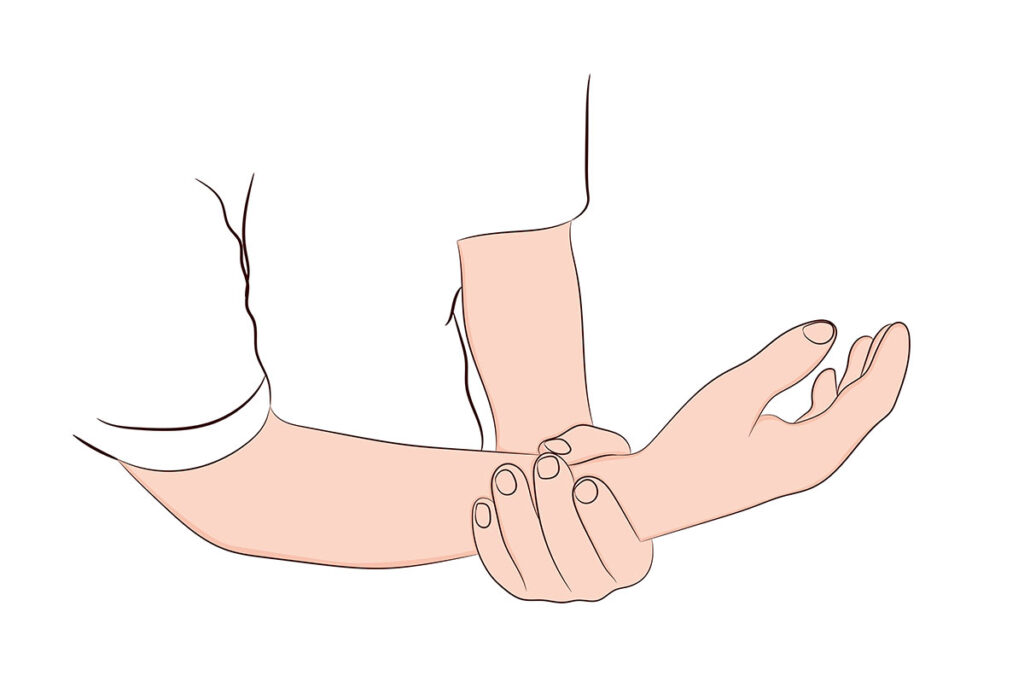
Tingling extremities
If you’ve noticed your hands or feet “falling asleep” more often or a pins-and-needles sensation that seems to come out of nowhere, it could be related to menopause. Tingling sensations, medically known as paresthesia, can feel strange or uncomfortable but are usually harmless. They tend to settle over time, although it’s important to talk with your doctor to rule out other causes.
Free AssessmentWhy tingling occurs after menopause
Fluctuating estrogen levels can affect the central nervous system and circulation. Estrogen helps maintain nerve health, collagen production, and healthy blood flow. When levels decline, nerves can become more sensitive and less protected, leading to tingling or prickling sensations in the hands, feet, arms, or legs.
Lower estrogen can also reduce collagen in the skin and tissues, which can slightly thin nerve coverings and make sensations feel more pronounced. Combined with reduced blood flow to the extremities, this can cause the “pins and needles” feeling many women describe.
While hormonal changes are a likely contributor, tingling can also be linked to vitamin deficiencies (particularly B12), nerve compression, anxiety, or medical conditions such as thyroid imbalance or diabetes.
What tingling feels like
Tingling can occur in:
- Fingers, hands, or wrists
- Toes, feet, or legs
- Occasionally around the lips or face
The sensation may feel like light prickling, buzzing, or numbness that comes and goes. It often improves as hormone levels stabilise after menopause.


Ways to ease tingling sensations
Gentle lifestyle changes can help improve circulation and reduce discomfort.
- Move regularly
Exercise improves blood flow and nerve function. Walking, swimming, dancing, or light strength training can all help reduce tingling and promote overall well-being. - Stretch and strengthen
Yoga or Pilates are excellent for improving flexibility, posture, and muscle tone. These practices can relieve tension that might be restricting nerve pathways. - Stay hydratedDrink around two litres of water each day to keep circulation healthy and support nerve function. Clear, pale urine is a good sign you’re drinking enough.
- Check vitamin B12 levels
Tingling can sometimes indicate low vitamin B12. A simple blood test from your GP can confirm whether supplementation is needed. - Manage stress
Anxiety and high stress levels can make tingling worse by tightening muscles and altering breathing patterns. Relaxation techniques, slow breathing, or mindfulness can help calm the nervous system. - Consider acupuncture
Some women find acupuncture helpful in improving circulation and easing menopause-related symptoms, including tingling. - Seek medical review
If tingling persists, becomes painful, or affects daily function, it’s important to discuss it with your GP to rule out other causes such as nerve compression or underlying medical conditions.
Support through WellFemme
At WellFemme, our menopause doctors understand how hormonal changes can affect the nervous system and circulation, leading to sensations like tingling or numbness. Through a personalised Telehealth consultation, your clinician can help identify what’s contributing to your symptoms and recommend practical, evidence-based solutions to restore comfort and confidence.
If tingling extremities are disrupting your comfort or causing concern, book a Telehealth consultation with a WellFemme menopause doctor for tailored advice and compassionate care.
Book an Appointment