Many of us take supplements to fill nutritional gaps, support hormonal and metabolic changes and help maintain overall health, particularly during perimenopause and menopause.
But have you ever wondered which supplements the menopause experts take? We recently asked our WellFemme clinicians which supplements they personally rely on for their own health and wellbeing, and here’s what they told us:
• Jules, our Clinical Nurse, is a big fan of creatine, vitamin D and magnesium glycinate.

Dr Megan Young also takes creatine, and then vitamin D during the winter months.
Dr Rebecca Jarvis takes vitamin D and creatine when lifting weights.
Dr Gabrielle Staniforth combines vitamin D, magnesium, and creatine.
Dr Cecilia Akinloye follows a similar routine with creatine, vitamin D, and magnesium glycinate.
Dr Lisa Cochrane also takes creatine, as well as melatonin and niacinamide (B3) 500mg bd for prevention/management of non-melanoma skin cancer.
Dr Rebecca Goodman takes just creatine.
Dr Lynda Newman takes vitamin D.
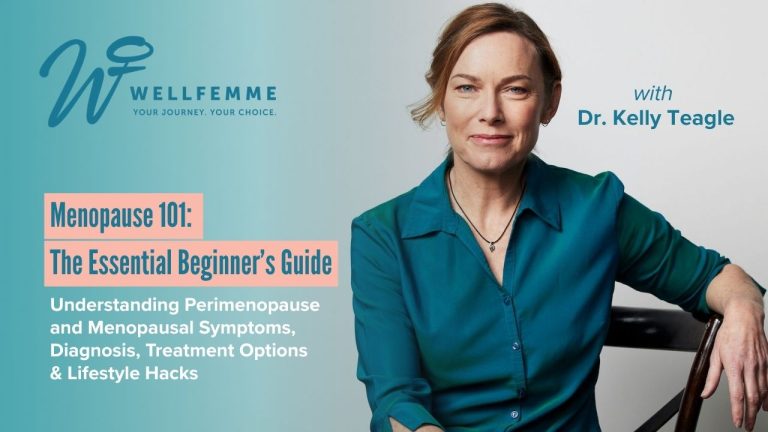
Dr Kelly Teagle takes fish oil, plus protein supplements and creatine when lifting weights.
Dr Sonia van Gessel takes vitamin D, magnesium glycinate, omega 3 and has just started creatine.
You might have noticed that several supplements are particularly popular amongst these experts in women’s healthy ageing, and for good reason. Let’s take a look at the evidence…
Vitamin D: Does It Help Bones, Immunity and Mood?
Vitamin D is a commonly recommended supplement worldwide. It plays a role in:
Bone health: Enhances calcium absorption, maintains bone density, and reduces fracture risk (in combination with calcium);
Immune support: Adequate levels reduce respiratory infections and colds;
Mood regulation: Supports emotional wellbeing.
And don’t forget about safe sun exposure; sunlight activates vitamin D production in your skin, providing a form your body uses efficiently. A few minutes of sun on your arms and legs several times a week can significantly improve levels- short, regular doses are better than long, occasional bursts.
Does Magnesium Help with Sleep, Stress and Muscle Cramps?
Many women become low in magnesium during perimenopause and menopause due to stress, sleep disruption, dietary changes, and fluctuating hormones. Among the different forms available, magnesium glycinate stands out as one of the most effective and best tolerated.
Sleep quality: Magnesium aids sleep by calming the nervous system and regulating melatonin;
Stress regulation: Supports the nervous system and can help reduce stress and anxious tension;
Muscle function: Magnesium may play a role in muscle function, relaxation, recovery and reducing cramps:
Bone health: Magnesium also contributes to strong bone structure.
Can Niacinamide (Vitamin B3) Reduce Skin Cancer Risk and Improve Skin Health?
Niacinamide is a form of vitamin B3 that supports skin health, reduces inflammation, and helps prevent certain types of non-melanoma skin cancer. So for women in Australia, where sun exposure is high, niacinamide can be particularly valuable.
Skin cancer prevention: Oral niacinamide has been shown to reduce the risk of non-melanoma skin cancer in high-risk individuals;
Skin barrier support: May improve skin hydration, reduce redness and support the skin barrier;
Anti-inflammatory effects: Helpful for photoaged skin and inflammatory conditions.
Does Melatonin Improve Sleep and Circadian Rhythm?
Although technically a hormone, many people use melatonin as a supplement for better sleep.
Improved sleep: Melatonin can help regulate the sleep–wake cycle and reduce sleep onset time. Particularly useful for people experiencing midlife sleep disturbances or early-morning waking
Is Creatine Good for Menopause? Brain Health, Energy & Muscle Strength Benefits
Creatine is a naturally occurring compound that helps your muscles and brain produce quick, efficient energy to support strength, performance, and cognitive function. It may also be helpful for menopausal symptoms.
Cognitive support: Helps fuel the brain, improving memory, processing speed and mental clarity;
Muscle strength: Supports lean muscle maintenance, which declines during perimenopause and menopause;
Bone health (indirectly): When paired with resistance exercise, creatine supports muscle mass that protects and loads bones;
Energy: Helps reduce fatigue by supporting cellular energy production.
Fish Oil for Menopause — Does Omega-3 Support Heart, Brain & Joint Health?
Fish oil is widely used to support heart, brain, joint, and skin health — and it may offer particular benefits for women in midlife.
Heart health: EPA & DHA help reduce triglycerides, support blood pressure, improve vascular function, and lower inflammation, especially important as oestrogen declines in menopause;
Joint support: Anti-inflammatory effects can ease stiffness, soreness, and swelling common in perimenopause;
Brain & cognition: DHA supports memory, reduces “brain fog,” and helps maintain cognitive function during hormonal changes;
Should Menopausal Women Use Protein Powder to Support Muscle, Bones & Weight Management?
Protein supplements are widely used to boost strength, support metabolism, and maintain bone and muscle health – all areas that become increasingly important during menopause.
Types: whey, whey isolate, plant-based (pea, soy, rice), collagen
Prevents age-related muscle loss and supports strength training;
Maintains bone density and supports calcium absorption;
Helps reduce midlife weight gain and belly fat by increasing satiety and preserving muscle.
Conclusion
These supplements can offer meaningful support through perimenopause and menopause – from sleep and mood to muscle, bone, and cognitive health – which is why many of our expert menopause doctors take them too. Just remember to consult your GP first, especially if you have underlying health conditions.
What is WellFemme About?
If you can’t find the professional help you need for your menopause or perimenopausal symptoms then book a Telehealth consultation with an expert WellFemme menopause doctor.
WellFemme is Australia’s first dedicated Telehealth menopause clinic, servicing locations nationwide including: Melbourne, Sydney, Adelaide, Darwin, Perth, Hobart, Brisbane, Dubbo, Bendigo, Broken Hill, Broome, Alice Springs, Launceston, Cairns, Mildura, Lightning Ridge, Kalgoorlie, Albany, Toowoomba, Charleville, Port Headland, Katherine, Ballarat, Coober Pedy, Bourke, Albury… and your place! 🙂