What to Eat for Weight, Mood, and Hormonal Balance
Menopause is a time of transition that often brings physical and emotional changes—weight gain, hot flushes, and mood swings are common concerns. Fortunately, your diet can play a powerful role in easing these symptoms. A Mediterranean-style eating pattern, rich in plant-based foods, healthy fats, and low-GI carbohydrates, is one of the most effective and sustainable approaches to nutrition during menopause. Let’s explore what to eat (and what to limit) to support your body through this phase.
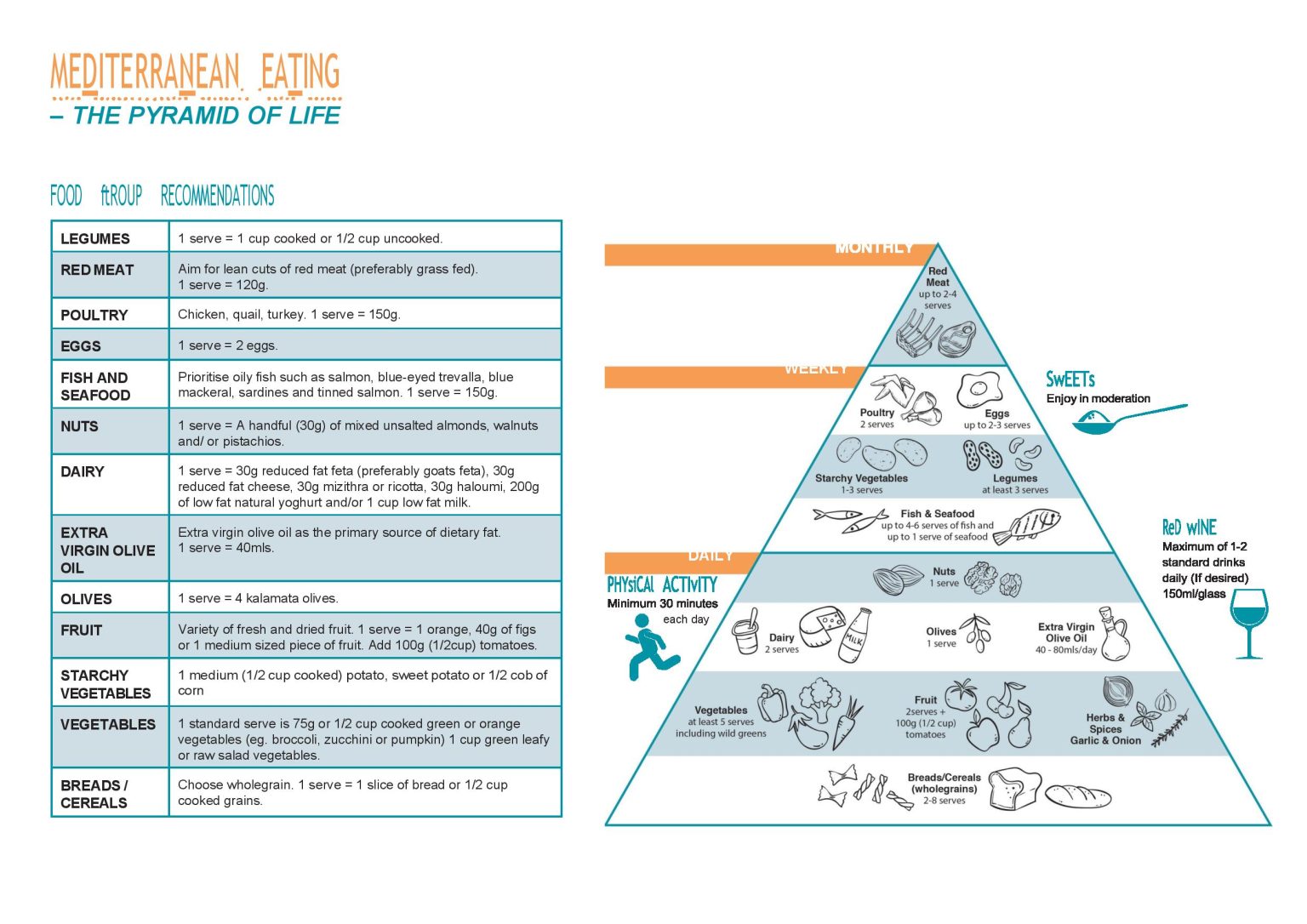
Mediterranean Diet for Menopause
The Mediterranean diet is widely recognised as one of the healthiest eating patterns in the world—and it’s particularly beneficial during menopause. Why it’s ideal for menopause:

Anti-inflammatory: Helps reduce inflammation that contributes to weight gain, fatigue, and chronic disease risk
Supports gut health, which plays a key role in estrogen metabolism
Protects heart and brain health, both of which become higher priorities in midlife
Sustains energy and mood with stable blood sugar and healthy fats
What it includes:
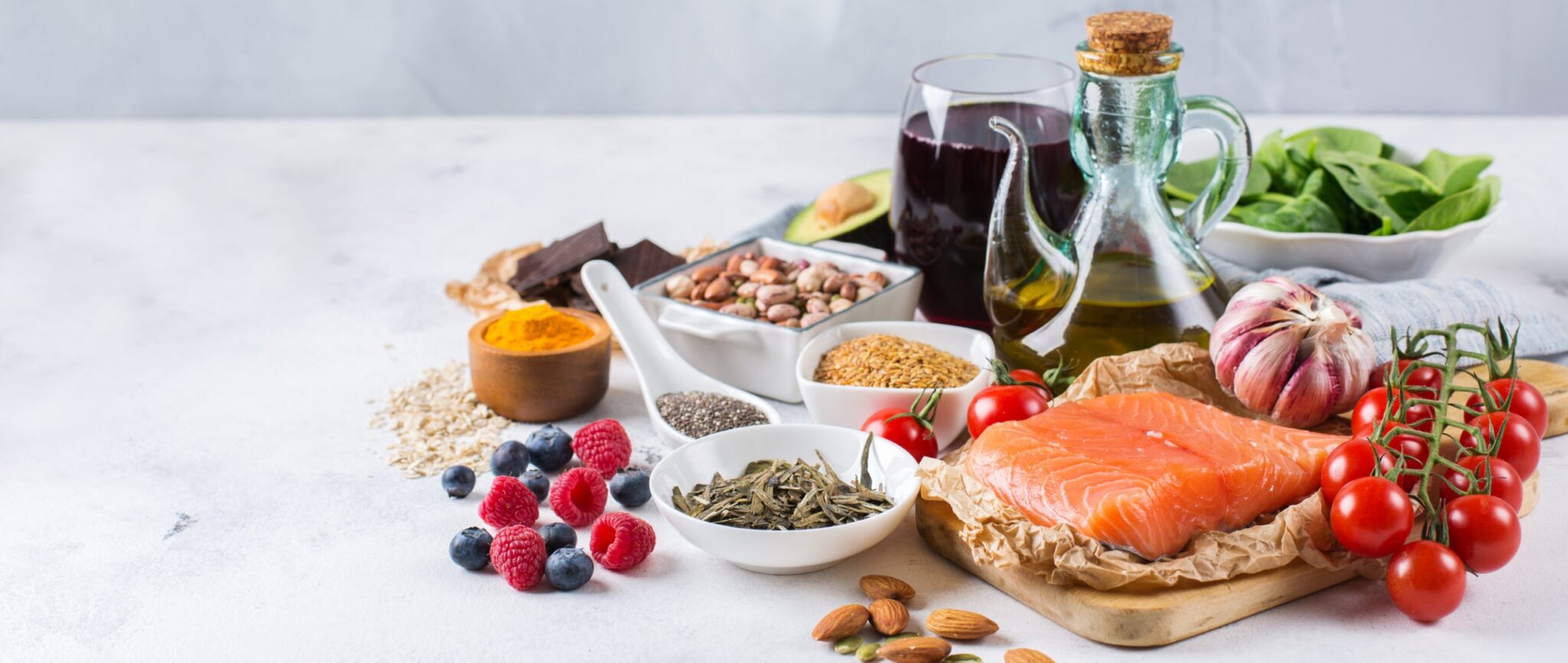
Plenty of vegetables, fruits, wholegrains, and legumes
Healthy fats from olive oil, nuts, and seeds
Lean proteins, especially fish (2–3 times per week)
Low intake of red meat, limited to once a week or less
Minimal processed foods and added sugars
Focus on flavourful herbs and spices over salt
Best Diet for Menopause Weight Loss
One of the most common challenges during menopause is unwanted weight gain, particularly around the belly. This is largely due to hormonal changes that affect metabolism, insulin sensitivity, and fat distribution. The best diet for menopause weight loss is a modified Mediterranean diet, adapted to meet the unique needs of midlife women. Here’s why it works:
Emphasises whole foods: vegetables, legumes, fruits, nuts, seeds, and wholegrains
Rich in fibre and healthy fats, which promote fullness and reduce overeating
Includes lean proteins (fish, poultry, legumes) to support muscle mass and metabolic rate
Reduces added sugars and processed foods, which spike blood sugar and contribute to fat storage
Encourages moderate carbohydrate intake, focusing on low glycemic index (GI) sources like oats, brown rice, and quinoa. For some, reducing carb intake later in the day can further support weight loss.
This way of eating not only helps with weight but also reduces the risk of heart disease, type 2 diabetes, and other conditions that become more common after menopause. Remember that we generally need fewer calories, so watch the portion sizes but ensure that you still get adequate nutrition during menopause to fuel muscle maintenance (or preferably growth). If you need help getting the balance right perhaps consider working with a dietitian.
Foods for Hot Flushes
Hot flushes are one of the most common and bothersome symptoms of menopause. The good news is that certain foods can help reduce their frequency and intensity—particularly those rich in phytoestrogens, which mimic the effects of estrogen in the body.
Include regularly:
Flaxseeds (ground for better absorption)
Soy products such as tofu, tempeh, soy milk, and edamame
Legumes like lentils, chickpeas, and beans
Wholegrains such as oats and barley
A wide range of vegetables and fruits
Nuts and seeds
Aim for variety in your plant foods to support gut health, which also plays a role in hormone regulation. Limit or avoid:
Caffeine
Alcohol
Spicy foods
Refined sugars
These can act as triggers and worsen hot flushes for many women.
Nutrition for Mood Swings During Menopause
Mood swings, anxiety, and irritability can become more common due to the decline in estrogen, which affects neurotransmitters like serotonin and dopamine. The right nutrition during menopause can help stabilise mood and energy by supporting blood sugar balance, brain health, and inflammation control.
Key dietary strategies:
Focus on low GI carbohydrates such as oats, sweet potatoes, brown rice, and legumes to prevent blood sugar crashes that can cause mood dips.
Avoid refined sugars, which cause highs and lows in both blood sugar and mood.
Include omega-3 fatty acids (found in oily fish like salmon, flaxseeds, chia seeds, and walnuts), which help regulate neurotransmitters and reduce anxiety and depression.
Eat regular, balanced meals to maintain steady energy and reduce irritability.
Eleni Georgiou is a dietitian with Tree of Life Nutrition and is also consultant dietician for our Next Phase Women’s Wellness Program. If you’re looking for expert guidance to navigate the menopausal transition, we’ve got you. Next Phase is your midlife roadmap with expert health and medical advice as well as practical strategies. Click to join the Next Phase Women’s Wellness Program today.
What is WellFemme About?
If you can’t find the professional help you need for your menopause or perimenopausal symptoms then book a Telehealth consultation with an expert WellFemme menopause doctor.
WellFemme is Australia’s first dedicated Telehealth menopause clinic, servicing locations nationwide including: Melbourne, Sydney, Adelaide, Darwin, Perth, Hobart, Brisbane, Dubbo, Bendigo, Broken Hill, Broome, Alice Springs, Launceston, Cairns, Mildura, Lightning Ridge, Kalgoorlie, Albany, Toowoomba, Charleville, Port Headland, Katherine, Ballarat, Coober Pedy, Bourke, Albury… and your place!